China Pushes Forward with $167 Billion Tibetan Mega-Dam Amid Environmental and Geopolitical Concerns
Introduction
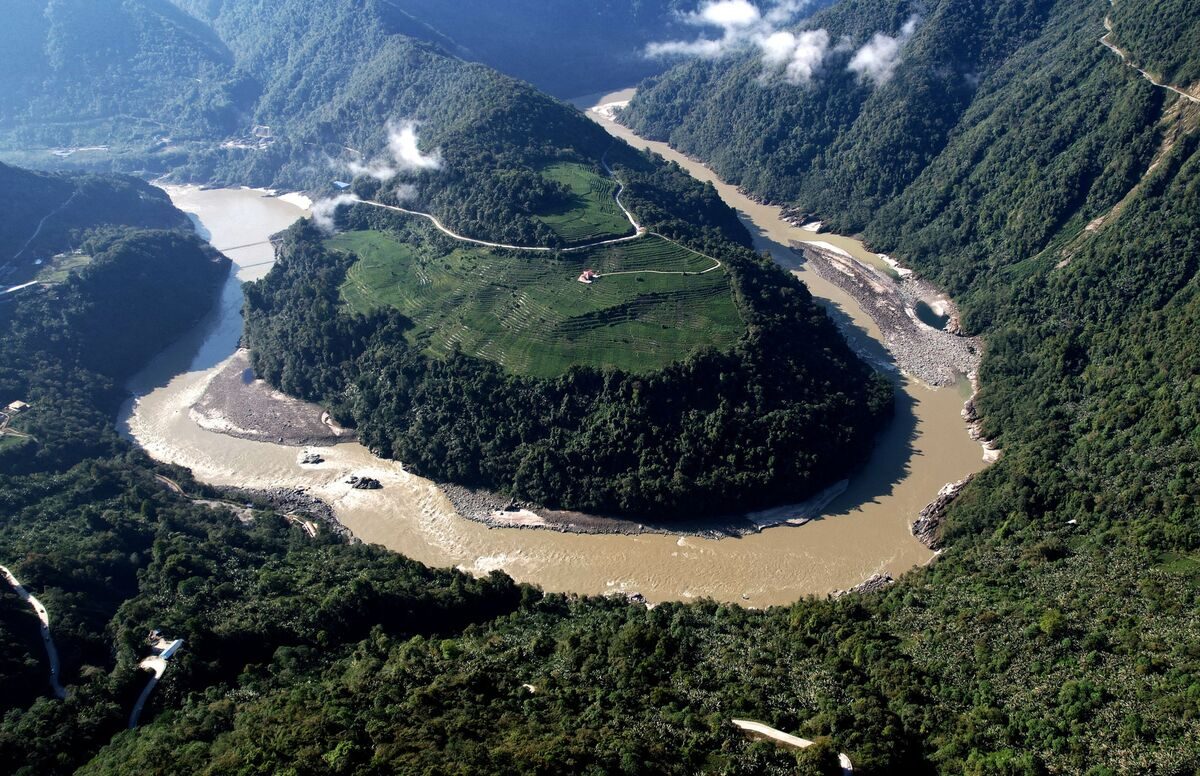
China's ambitious plan to construct a colossal hydroelectric dam in Tibet, valued at 1.2 trillion yuan (approximately $167 billion), signals a decisive push to boost the nation's clean energy capacity and stimulate economic growth. Despite growing international concerns about the potential ecological damage and the delicate geopolitical implications involving India, Chinese authorities have moved forward without hesitation, emphasizing the project's strategic importance.
Key Details
- The dam, situated on a key Tibetan river, represents one of the largest infrastructure investments in recent Chinese history.
- The project is expected to generate massive amounts of renewable electricity, aligning with China's green energy goals.
- Environmental experts have warned of possible irreversible biodiversity loss in the fragile Himalayan ecosystem.
- India has expressed apprehension due to the dam’s location near disputed border areas and potential impact on transboundary water flows.
- The Chinese government has framed the dam as a critical step toward regional development and energy security.
Background
China’s drive to amplify renewable energy capacity comes amid its commitment to reduce carbon emissions and transition from coal dependency. Tibet, with its abundant river systems originating in the Himalayas, offers a strategic location for hydroelectric projects. Historically, the region’s fragile ecology and complex geopolitical setting, particularly its proximity to India and Nepal, have raised questions about the sustainability and diplomacy of large-scale infrastructure ventures.
The project is part of a broader national agenda to develop Western China economically, aiming to reduce regional disparities and integrate remote areas more closely into the national economy. However, Tibet’s unique environment is home to diverse species and indigenous communities that depend on the rivers for livelihood and cultural heritage.
Analysis
China’s decision to advance the mega-dam despite environmental and diplomatic concerns underscores a prioritization of economic growth and energy security over ecological preservation and regional stability. The scale of investment indicates a long-term strategic vision to secure renewable energy resources and assert infrastructural dominance in Tibet.
Environmentalists argue that the dam could disrupt the Himalayan watershed, threatening endemic species and altering water flow to downstream countries, including India. This has heightened existing tensions over water rights and border disputes, potentially complicating bilateral relations.
From Beijing’s perspective, the project aligns with broader goals to modernize infrastructure, stimulate domestic demand, and reduce greenhouse gas emissions. However, the risk of exacerbating geopolitical frictions and ecological damage may invite international scrutiny and calls for greater transparency.
Conclusion
The $167 billion Tibetan mega-dam embodies the complexities of balancing economic development, environmental stewardship, and geopolitical diplomacy. While China advances its ambitious clean energy agenda, the consequences for biodiversity and regional stability remain deeply contentious. How China manages these challenges will have lasting implications for the Himalayan region and its neighbors.