How Strategic Locations and Brand Power Drive Auntie Anne's Franchise Success
How Strategic Locations and Brand Power Drive Auntie Anne's Franchise Success
Introduction
In the competitive landscape of food franchises, Auntie Anne's stands out as a beacon of success. A recent report highlighted the remarkable achievement of one franchisee who generated an impressive $2.2 million in revenue from a modest pretzel stand. This achievement not only underscores the brand's strength but also illuminates the key factors contributing to Auntie Anne's profitability in high-traffic venues like airports, shopping malls, and busy streets.
Key Details
- High-Traffic Locations: Auntie Anne's strategically positions its outlets in areas with heavy foot traffic, maximizing visibility and accessibility.
- Speed of Service: The emphasis on quick service allows customers to grab snacks on the go, catering to the fast-paced lifestyles of travelers and shoppers.
- Brand Familiarity: The brand's long-established reputation plays a crucial role in attracting customers who feel comfortable choosing a familiar option.
- Variety of Offerings: While famous for its pretzels, Auntie Anne's also offers a range of complementary snacks and beverages, enhancing the customer experience.
Background
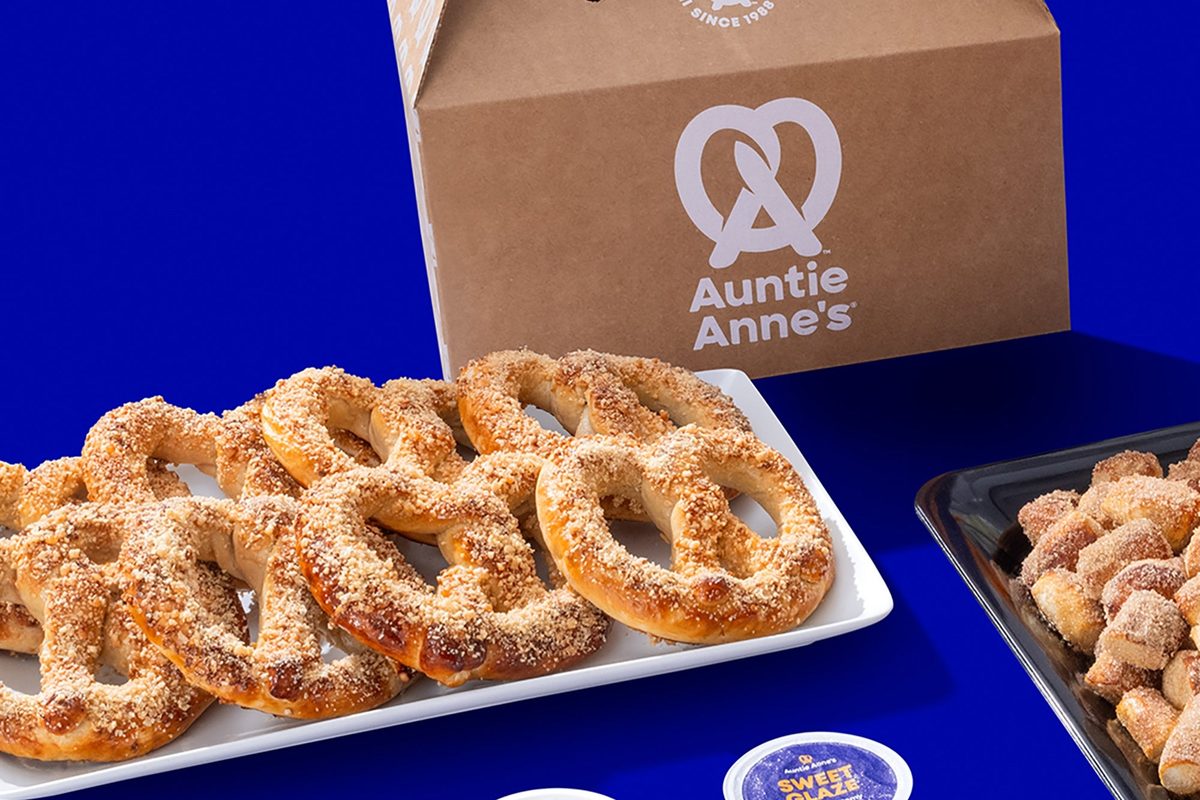
Auntie Anne's is a well-known franchise specializing in pretzels, with a history dating back to 1988 when the first stand was opened in a Pennsylvania farmer's market. The brand quickly grew in popularity, and today, it boasts thousands of locations worldwide. The franchise has successfully adapted to changing consumer preferences and market trends, positioning itself as a leader in the snack food industry.
The company’s strategy to focus on high-traffic venues has proven effective, especially in environments like airports where travelers often seek convenient food options. Additionally, Auntie Anne's has capitalized on the rise of snacking culture, where more individuals opt for quick bites rather than full meals, further enhancing the brand's relevance.
Analysis
The success of the franchisee who made $2.2 million from a small stand exemplifies the broader trends influencing the food franchise sector today. This particular franchisee's achievement can be attributed to several factors, including:
- Prime Location: Operating in a bustling airport, the stand benefits from a constant stream of potential customers, including both travelers and airport staff. The location itself becomes a marketing tool, as more foot traffic translates directly to sales.
- Operational Efficiency: The franchise's model emphasizes the importance of quick service. The ability to serve customers swiftly is crucial in high-traffic environments where waiting times can deter purchases.
- Marketing and Branding: With a strong brand identity, Auntie Anne's attracts customers who recognize and trust the name. The nostalgic appeal of soft pretzels and the brand's vibrant store design further enhance customer engagement.
- Adaptability: The franchise has demonstrated a commitment to innovation, regularly updating its menu with seasonal offerings and customer favorites, thus maintaining interest and encouraging repeat visits.
Moreover, Auntie Anne's has leveraged technology to streamline operations, from mobile ordering to digital marketing strategies that reach potential customers even before they arrive at the location. This combination of traditional franchising success elements—location, speed, and brand loyalty—coupled with modern technology has positioned Auntie Anne's for continued growth.
Conclusion
The story of the franchisee who earned $2.2 million from a tiny pretzel stand is a testament to Auntie Anne's strategic focus on high-traffic locations and its ability to adapt to consumer needs. As the snacking culture continues to grow, franchises that effectively combine brand power, operational efficiency, and market adaptability are likely to thrive. Auntie Anne's not only exemplifies these principles but also serves as an inspiring case study for aspiring franchisees looking to enter the food service industry.