Homegrown vs. Store-Bought Produce: A Food Safety Deep Dive
Introduction
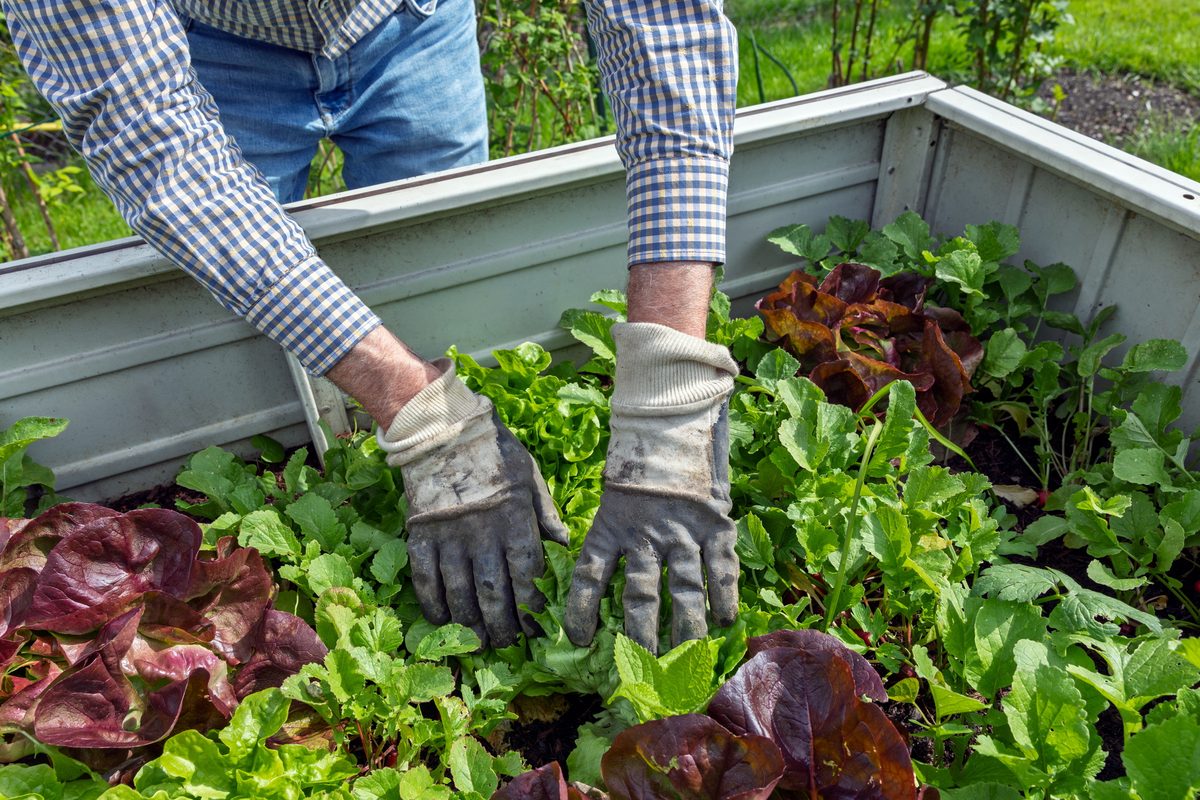
This summer's alarming rise in foodborne illness outbreaks has prompted a noticeable shift in consumer behavior, with many individuals seeking alternatives to conventionally sourced produce. A significant portion of Americans, approximately 44 million households, are already engaged in growing their own fruits and vegetables, a trend that has seen a steady annual increase of about 4% over the past five years, according to the National Gardening Association. This growing interest naturally leads to a critical question: Is the produce cultivated in a home garden inherently safer than that purchased from grocery stores or farmers markets?
Key Details
- The safety of produce, whether homegrown or store-bought, is primarily determined by the farming practices employed, rather than the size of the operation.
- Large-scale agricultural operations are subject to regulatory cleanliness standards and utilize tracking systems like bar codes, which can aid in rapid contamination tracing. However, the commingling of large volumes of produce in processing facilities can also amplify outbreaks.
- Many small-scale growers, including most home gardeners, are exempt from stringent FDA regulations concerning irrigation and microbial testing, leading to highly variable safety practices.
- Risks associated with homegrown produce can include contamination from animal feces (e.g., from pets or wild animals), bacteria in water sources like rainwater barrels, and insufficient pathogen removal during washing.
- Experts recommend washing all fresh produce with water, regardless of its origin, to mitigate risks.
- Cross-contamination in the kitchen, from improper handling of raw meats and unclean surfaces, remains a significant source of foodborne illness.
Background
James Rogers, director of food safety for Consumer Reports, emphasizes that the safety of produce hinges on the specific methods used during cultivation and handling. While large commercial farms benefit from regulatory oversight and traceability, they also face the risk of widespread contamination if a single batch is compromised. Conversely, smaller operations, including home gardens, often operate outside the purview of regulations like those set by the FDA, which govern irrigation and microbial testing. This exemption means practices can vary dramatically from one grower to another.
Impact Analysis
The potential risks associated with home gardening are illustrated by contrasting approaches. Phil Tocco, an agricultural food-safety expert, adopts a highly cautious methodology, influenced by his wife's severe illness from amoebic dysentery contracted from lettuce grown on a small farm years ago. Tocco meticulously prevents animal access to his garden, avoids using rainwater collected in barrels due to potential bacterial contamination, and employs a commercial sanitizing agent on his greens, as water alone may only remove about 90% of pathogens. He highlights that even seemingly small lapses, like using water from a rain barrel, can be akin to using “bacterial soup.”
In contrast, Dave Whitinger, director of the National Gardening Association, while also concerned about food safety, expresses a strong preference for homegrown produce due to a distrust of large agricultural operations, particularly their use of manure as fertilizer. He feels confident eating lettuce directly from his garden without washing, citing his control over fertilizers and seed sources, and a desire to avoid the difficulty of drying wet lettuce. His decision was partly motivated by a significant cyclosporiasis outbreak linked to contaminated store-bought lettuce.
“As with anything, it depends,” says James Rogers, director of food safety for Consumer Reports. “What shapes safety is the farming practices, and has less to do with the operation's size.”
Broader Context
The discussion around produce safety extends beyond the farm or garden gate. Experts like Rogers stress that contamination can easily occur in the home kitchen. The FDA advises consumers to maintain high standards of hygiene, including frequent hand washing, keeping cooking surfaces clean, and using separate cutting boards for raw meats and produce. Proper cooking temperatures are also crucial in preventing foodborne illnesses.
Future Outlook
As consumer awareness regarding food safety continues to grow, the demand for transparent and safe food production methods is likely to increase. Home gardening offers a degree of control and transparency that many consumers find appealing. However, it is crucial for home gardeners to educate themselves on best practices to mitigate potential risks. Future trends may see a greater emphasis on accessible food safety education for home growers, bridging the gap between commercial standards and backyard cultivation.
Conclusion
Ultimately, the safety of produce is not a simple dichotomy of homegrown versus store-bought. Both have potential risks and benefits. While home gardening provides a sense of control and connection to one's food, it requires diligence in implementing safe practices to prevent contamination. Store-bought produce, while subject to regulations, can also carry risks. The consensus among experts is that thorough washing of all produce, coupled with good kitchen hygiene, remains the most effective strategy for consumers to protect themselves from foodborne illnesses, regardless of where their food originates.
Source: npr.org