Godzilla Minus Zero: Sequel Elevates Kaiju Spectacle and Human Drama
Introduction
The highly anticipated direct sequel to the critically acclaimed “Godzilla Minus One,” titled “Godzilla Minus Zero,” has arrived, promising to build upon the success of its Oscar-winning predecessor. Writer-director Takashi Yamazaki returns to helm this latest installment, which not only doubles down on the spectacular kaiju action but also delves deeper into the emotional and thematic complexities of post-war Japan. While the title might initially seem as peculiar as its predecessor’s, it elegantly encapsulates the film’s core premise: a nation striving to rebuild and find equilibrium after devastating conflict, only to face an even greater existential threat.
Key Details
- Title: Godzilla Minus Zero
- Director: Takashi Yamazaki
- Premise: A direct sequel to “Godzilla Minus One,” set after the events of the first film.
- New Antagonist: The introduction of the three-headed dragon kaiju, King Ghidorah.
- Key Characters: Returning protagonist Kōichi Shikishima (Ryunosuke Kamiki) and his family, alongside new and returning supporting characters like Naval engineer Noda (Hidetaka Yoshioka) and meteorologist Makoto Aoyama (Masami Nagasawa).
- Thematic Focus: Balancing grief with growth, vengeance with peace, and self-sacrifice with self-preservation in a post-war society.
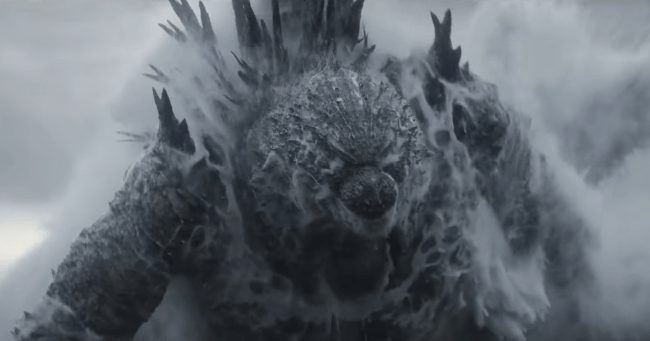
- Visuals: Enhanced special effects compared to “Godzilla Minus One,” with a focus on IMAX presentation.
- Rating: The first film in the franchise to receive an “R” rating.
- Release: Premiered at the 2026 New York Film Festival; U.S. theatrical release on November 6.
Background
“Godzilla Minus One” captivated audiences worldwide by presenting a deeply human story set against the backdrop of post-World War II Japan, a nation grappling with devastation and the emergence of the iconic kaiju. The film’s success, culminating in an Academy Award for Best Visual Effects, underscored the power of blending intense monster action with poignant human drama. Director Takashi Yamazaki explained the original title, “Godzilla Minus One,” as representing a Japan starting from “zero” after the war, with Godzilla’s arrival making the situation even worse. The sequel, “Godzilla Minus Zero,” continues this narrative trajectory, exploring the fragile peace and the arduous process of rebuilding that follows such catastrophic events. The new title suggests a scenario where, even after achieving a semblance of normalcy, the nation is pushed back into a state of crisis, facing a threat that challenges their hard-won recovery.
Impact Analysis
“Godzilla Minus Zero” distinguishes itself by not only escalating the scale of the monster threat with the introduction of King Ghidorah but also by deepening the emotional stakes for its human characters. The film shifts the focus from victims to survivors, forcing protagonists like ex-kamikaze pilot Kōichi Shikishima to confront profound existential questions. How does one reconcile personal loss with the collective need for progress? Can peace be achieved without succumbing to the urge for vengeance? These themes resonate powerfully, particularly as Shikishima grapples with his past trauma and his present responsibilities as a husband and adoptive father. The film’s enhanced visual effects and IMAX presentation promise a more immersive and visceral cinematic experience, with the monster sequences described as among the most gripping in the genre. The earned “R” rating suggests a more mature and potentially brutal depiction of the kaiju conflict, further amplifying the impact of the destruction and the resilience required to endure it.
“The more thematically coherent and emotionally affecting “Godzilla Minus Zero” expands on the naive grassroots nationalism of its predecessor by reframing that movie’s characters from victims to survivors, an emphasis that forces ex-kamikaze pilot Kōichi Shikishima (Ryunosuke Kamiki) and his friends to confront a series of impossible questions.”
Broader Context
The “Godzilla” franchise has long served as a potent allegory for the anxieties of the atomic age and the consequences of human conflict. “Godzilla Minus Zero” continues this tradition, using the spectacle of giant monsters to explore themes of national trauma, recovery, and the cyclical nature of destruction and rebirth. Unlike some iterations of the franchise that focus solely on the monster battles, Yamazaki’s films ground the narrative in the human experience, highlighting the courage and perseverance of ordinary people facing extraordinary circumstances. The film’s depiction of the U.S. military as self-interested and less attuned to the nuclear devastation than the Japanese characters offers a subtle commentary on international relations and the differing perspectives on existential threats. This focus on Japanese self-reliance and the internal struggle for recovery positions “Godzilla Minus Zero” as a continuation of a powerful cinematic dialogue about resilience in the face of overwhelming adversity.
Future Outlook
“Godzilla Minus Zero” is positioned as a pivotal chapter, potentially setting the stage for future installments. The film’s conclusion leaves the future uncertain, hinting at the possibility of a trilogy. The narrative’s exploration of Shikishima’s evolving role and the nation’s ongoing struggle suggests that the journey of recovery and confronting new threats is far from over. The film’s critical and commercial success, building on the foundation laid by “Godzilla Minus One,” indicates a strong audience appetite for this particular blend of kaiju action and heartfelt human drama. Yamazaki’s continued stewardship of the franchise suggests a commitment to thematic depth and visual innovation, promising that future entries will likely continue to explore the complex relationship between humanity, nature, and the destructive forces unleashed by both.
Conclusion
“Godzilla Minus Zero” successfully expands upon the legacy of its predecessor, delivering a sequel that is both a thrilling kaiju spectacle and a deeply resonant human drama. By introducing King Ghidorah and amplifying the personal struggles of its characters, director Takashi Yamazaki has crafted a film that is thematically richer and emotionally more impactful. It stands as a testament to the enduring power of the Godzilla narrative to reflect contemporary anxieties while celebrating the indomitable spirit of human resilience. The film’s impressive visuals, compelling performances, and thoughtful exploration of post-war trauma solidify its place as a significant entry in the long-running franchise, leaving audiences eager to see where the story, and Japan’s struggle, will go next.
Source: indiewire.com