Fatal Fire Erupts at Iran's Abadan Oil Refinery, Raising Safety Concerns
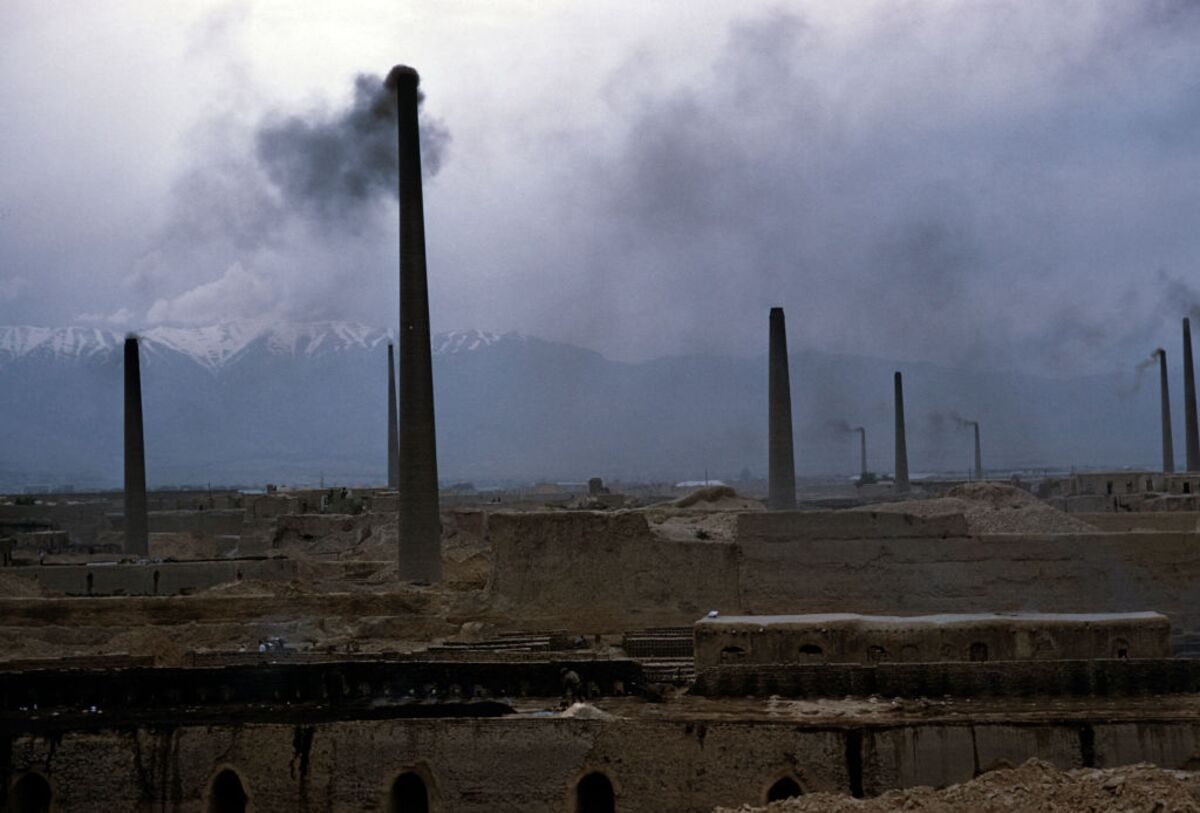
Introduction
On a recent day, a tragic fire broke out at the Abadan oil refinery, Iran's largest and one of the oldest refineries in the Middle East. The incident resulted in the death of one worker, according to reports from the Iranian news agency Fars. This occurrence has drawn renewed attention to the safety standards and operational risks faced by Iran's vital energy sector amidst ongoing economic and geopolitical pressures.
Key Details
- The fire occurred at the Abadan refinery, located in southwestern Iran near the Persian Gulf.
- One person was confirmed dead due to the incident; further casualties have not been reported.
- The refinery is a cornerstone of Iran’s oil production, processing hundreds of thousands of barrels per day.
- Details about the cause of the fire remain unclear, with investigations reportedly underway.
- The refinery's infrastructure dates back to the 1950s and has been subject to both modernization efforts and challenges caused by international sanctions.
Background
The Abadan refinery has a storied history, having been established in the early 20th century and expanded significantly during the mid-20th century. It is one of the oldest and largest oil refineries globally, pivotal to Iran's oil export capacity. Over decades, it has endured damage from conflict, including during the Iran-Iraq war, and frequent infrastructural strain. Despite various modernization attempts, the refinery continues to operate under challenging conditions, often limited by sanctions that restrict access to advanced technology and spare parts.
Iran's oil industry is not only an economic backbone but also a critical geopolitical asset. The country's ability to maintain production levels amidst sanctions and internal difficulties is vital to its fiscal health and international negotiations.
Analysis
The fatal fire at the Abadan refinery underscores the persistent vulnerabilities within Iran's energy infrastructure. The death of a worker is a grim reminder of the human costs in maintaining such facilities under pressure. Sanctions have impaired Iran's ability to upgrade and maintain safety standards, which may exacerbate risks of accidents. Moreover, aging infrastructure combined with high operational demands can increase the likelihood of incidents.
This event may prompt Iranian authorities to accelerate safety audits and infrastructural investments, although economic constraints and political factors could limit the scope of improvements. Furthermore, such incidents can impact global oil markets by raising concerns about the stability of Iranian oil supply, especially as the country is a major player in OPEC and the broader energy sector.
Internationally, observers will watch how Iran manages the aftermath and whether it can prevent future accidents. The incident also adds to the narrative of the challenges faced by oil producers globally in maintaining aging infrastructure while transitioning towards cleaner energy sources.
Conclusion
The fire at Iran’s Abadan oil refinery, resulting in one fatality, highlights ongoing safety and operational challenges within a critical sector of the Iranian economy. As investigations continue, the incident serves as a stark reminder of the human and economic risks inherent in managing large-scale oil refining operations under complex geopolitical and economic conditions. Future efforts to enhance safety protocols and infrastructure resilience will be crucial to preventing similar tragedies and ensuring the stability of Iran’s energy production.