China Launches Mega-Dam in Tibet with Triple the Capacity of Three Gorges, Sparking Regional Concerns
Introduction
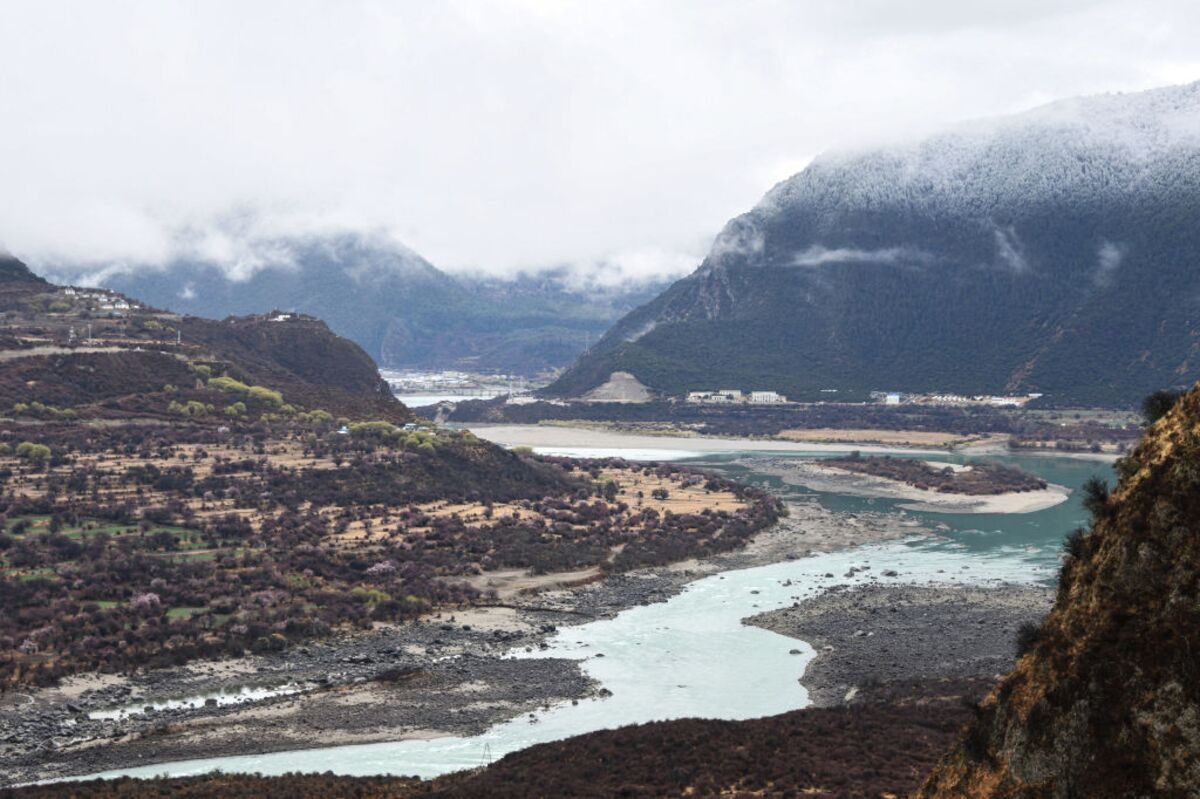
On March 28, 2021, China initiated construction of a colossal hydroelectric dam in the Yarlung Zangbo Grand Canyon within Tibet’s Nyingchi city. This project, designed to outpace the world’s largest power station—the Three Gorges Dam—by generating nearly three times more electricity, has sparked intense debate and concern. Environmentalists, regional neighbors, and geopolitical analysts are closely watching, as the initiative touches on complex issues of ecological impact, water security, and regional power dynamics.
Key Details
- The new dam is planned on the Yarlung Zangbo River, known internationally as the Brahmaputra, which flows into India and Bangladesh.
- Its electricity generation capacity is projected to be approximately three times that of the Three Gorges Dam, currently the largest hydroelectric power station globally.
- Environmentalists warn of significant ecological damage, including disruption to fragile biodiversity in the canyon area.
- India has voiced concerns over potential downstream impacts on water availability and flood control, complicating Sino-Indian relations.
- The project underscores China's ambition to harness Tibet’s vast hydropower potential for national energy security and economic growth.
Background
The Yarlung Zangbo Grand Canyon, often described as the deepest canyon in the world, is located in the southeastern part of Tibet Autonomous Region. Its river is a critical water source for millions downstream in South Asia. The Three Gorges Dam on the Yangtze River, completed in 2012, currently holds the record for the largest hydroelectric power capacity globally, at 22.5 gigawatts. China's new dam aims to surpass this capacity dramatically, emphasizing the country’s ongoing energy expansion efforts.
Historically, Tibet's rivers have been central to China's hydroelectric ambitions because of the region's vast untapped water resources. However, the ecological sensitivity of the Tibetan Plateau and surrounding environments means such projects carry significant risks, including habitat loss and altered river flow patterns that affect agriculture and livelihoods downstream.
Moreover, the Brahmaputra River’s transboundary nature invokes geopolitical sensitivities. As water flows from Tibet into India and Bangladesh, any upstream construction can influence water volume and timing. India has repeatedly expressed apprehension regarding China's dam projects, fearing potential water diversion or sudden releases that could cause floods.
Impact Analysis
Environmental Impact: Environmental experts caution that the dam could irreversibly change the unique ecosystems within the Yarlung Zangbo Grand Canyon. The canyon hosts endemic species and complex ecological networks that rely on natural river flow regimes. Large-scale dam construction threatens to fragment habitats and alter sediment transport, which is crucial for maintaining downstream ecosystems and agricultural fertility.
Geopolitical Ramifications: The dam project intensifies water security concerns in South Asia. For India, the Brahmaputra is a lifeline for millions; any change in its flow can impact agriculture, drinking water availability, and hydroelectric projects downstream. This development may exacerbate tensions in Sino-Indian relations, which are already strained due to border disputes and broader regional competition.
Energy and Economic Dimensions: From China’s perspective, the dam is a strategic asset in its clean energy transition and energy security paradigm. Hydropower is a renewable source that supports China's goals to reduce carbon emissions. The project also reflects a broader push to economically develop Tibet, integrating it more firmly into China’s national economy.
Broader Context
The Tibet mega-dam project must be viewed within the wider context of China’s ambitious infrastructure and energy programs. Beijing's growing emphasis on renewable energy includes expanding hydropower capacity to meet rising domestic demand and global climate commitments. Nonetheless, the geographic and political complexities associated with Tibet’s rivers complicate these ambitions.
Internationally, the project tests existing water-sharing frameworks and diplomatic ties between China and its neighbors. There is currently no comprehensive trilateral agreement involving China, India, and Bangladesh governing Brahmaputra water management, leaving room for disputes and mistrust. The dam thus symbolizes broader challenges in transboundary water governance across Asia.
Future Outlook
Going forward, the project’s trajectory will likely hinge on China's domestic policy priorities and diplomatic engagements with India and Bangladesh. Environmental monitoring and impact assessments remain critical but face skepticism regarding transparency and enforcement.
Potential avenues for mitigating tensions include multilateral dialogues on water sharing, joint environmental assessments, and confidence-building measures to assure downstream countries of water security. However, given the strategic importance of the dam to China’s energy goals, it is uncertain how much compromise will be feasible.
Conclusion
The initiation of the mega-dam construction on the Yarlung Zangbo River marks a significant development in China's energy infrastructure and regional geopolitics. While promising substantial benefits in terms of clean energy production and economic growth, the project simultaneously raises serious environmental and geopolitical concerns. Balancing China's national interests with the ecological and social needs of the region remains a formidable challenge with implications not only for Tibet but for the broader South Asian region.
“This dam project is emblematic of the complex intersection between energy ambition and environmental stewardship, underscoring the need for cooperative transboundary water governance,” experts note.