Discovery of Local 'Little Red Dot' Galaxies Offers New Insights into Cosmic Evolution
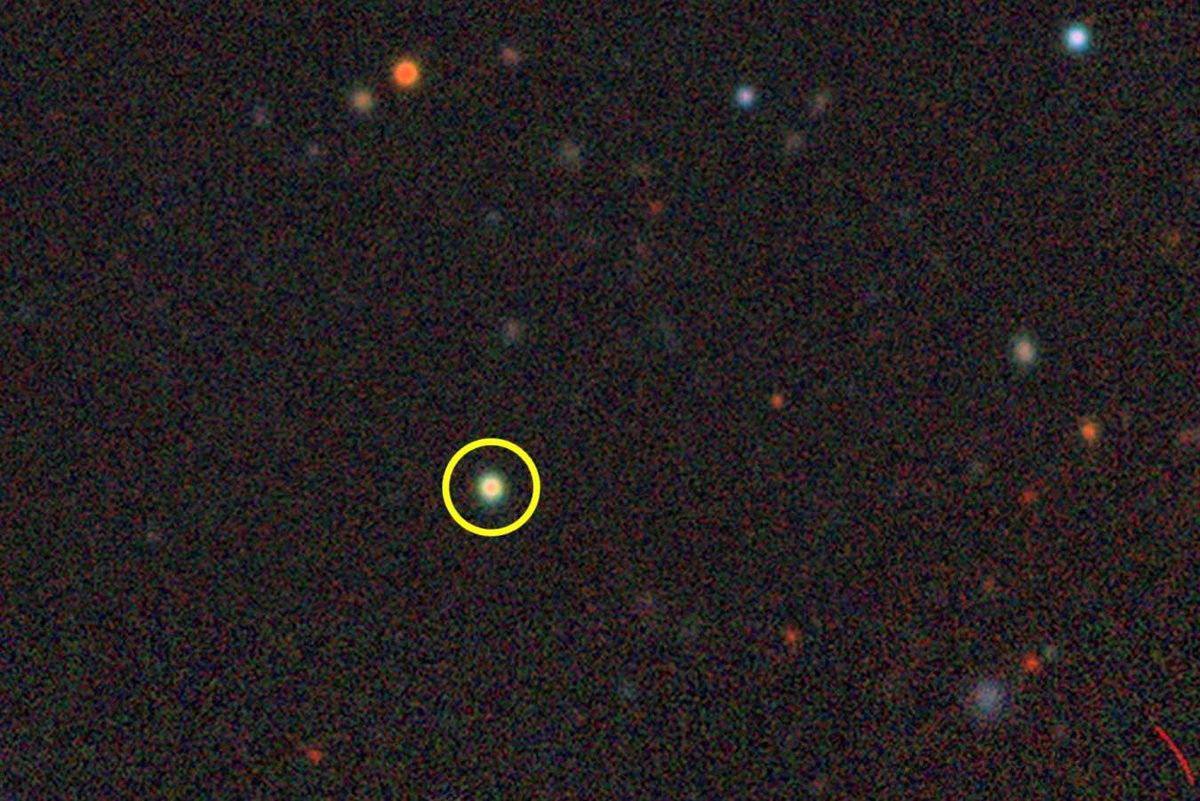
Discovery of Local 'Little Red Dot' Galaxies Offers New Insights into Cosmic Evolution
Introduction
The universe is a vast and complex tapestry, filled with galaxies of varying sizes and characteristics. Among these, small, compact galaxies have long intrigued astronomers due to their unusual properties. Known as 'little red dot' galaxies, these compact formations were previously observed primarily in the distant universe, leading to questions about their origins and formation processes. Recent discoveries have brought these mysterious objects closer to home, as astronomers have now identified several of these galaxies in our local universe. This breakthrough could provide significant insights into the early stages of galaxy formation and the evolution of cosmic structures.
Key Details
- Discovered galaxies are compact and reminiscent of early universe structures.
- Findings were made using advanced astronomical techniques and equipment.
- These 'little red dot' galaxies help bridge gaps in our understanding of galaxy evolution.
- The research raises questions about the formation processes of small galaxies.
- These discoveries may lead to further studies of other compact galaxies in the local universe.
Background
The term 'little red dot' galaxies refers to a specific type of compact galaxy that exhibits a remarkable density of stars and a relatively small size compared to their more massive counterparts. Historically, astronomers believed that such galaxies could only be formed in the early universe, where conditions were vastly different from those we observe today. Their red coloration indicates that these galaxies are older and likely have fewer ongoing star formation activities compared to younger, bluer galaxies. The challenge has always been to understand how and why these compact galaxies formed, especially when they had previously only been detected at great distances.
Recent advancements in telescope technology, particularly in infrared observations, have allowed astronomers to peer deeper into space and time. By utilizing these technologies, researchers have begun to find evidence of 'little red dot' galaxies much closer to Earth than previously thought. This has opened new doors for the scientific community, suggesting that the processes behind the formation of these galaxies may not be limited to the early universe but could also occur in more recent epochs.
Analysis
The implications of finding 'little red dot' galaxies in our local universe are manifold. Firstly, it challenges the notion that such galaxies were exclusively products of the early cosmic epochs. Instead, the evidence suggests that the mechanisms of galaxy formation are more varied and complex than previously understood. This could indicate that small galaxies have a more dynamic history and could help refine existing models of galaxy formation.
Furthermore, the identification of these compact galaxies invites a reevaluation of how astronomers classify and understand galactic evolution. The presence of 'little red dot' galaxies nearby suggests that they might play a crucial role in the larger puzzle of cosmic development, interacting with other galaxies and contributing to the overall structure of the universe. Their existence could also imply that many such compact galaxies remain undiscovered, potentially hidden in the shadows of larger cosmic structures.
Another significant aspect of this discovery is the potential to study the properties and behaviors of these galaxies in greater detail. Understanding the environmental factors that contribute to the formation and survival of 'little red dot' galaxies could lead to deeper insights into the processes of star formation, galaxy interactions, and the development of galactic structures over time.
Conclusion
The discovery of 'little red dot' galaxies in our local universe marks a pivotal moment in astronomical research, offering a new perspective on the formation and evolution of galaxies. As researchers delve deeper into understanding these compact structures, we may uncover vital clues about the history of the universe and the ongoing processes that shape it. The importance of this finding cannot be overstated; it not only enhances our knowledge of the cosmos but also fuels curiosity and inspires future explorations of the universe’s many mysteries.