David Wright Highlights Potential Successors for Mets Captaincy Following No. 5 Retirement
Introduction
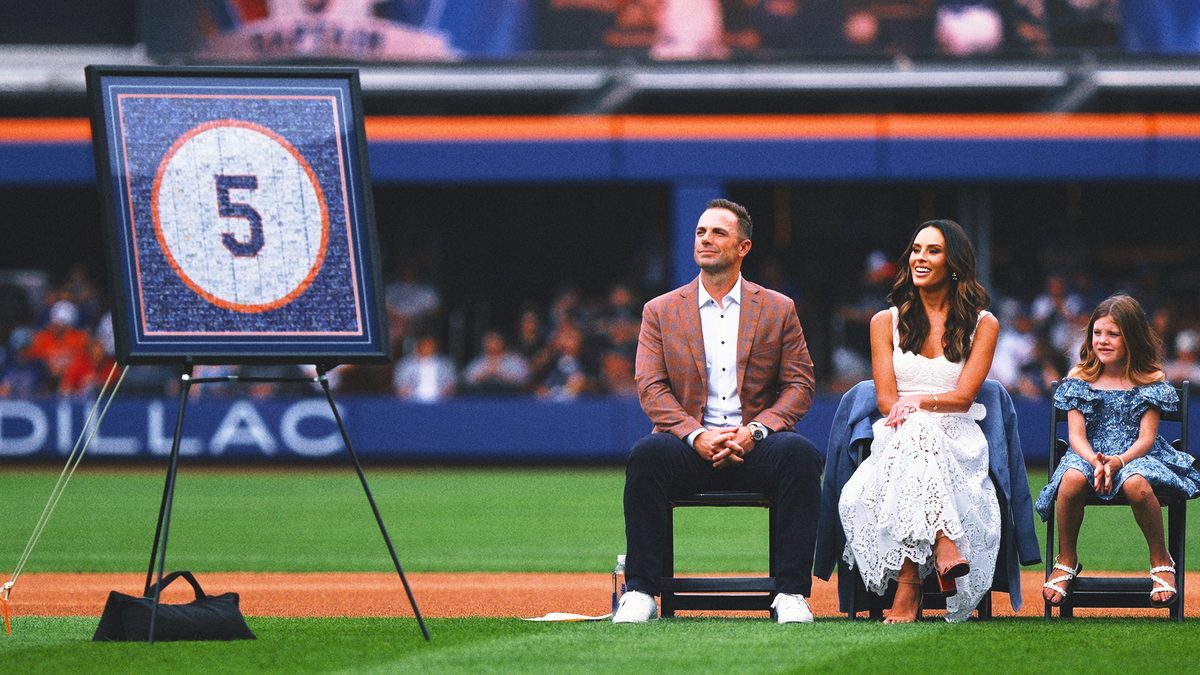
The New York Mets recently retired the No. 5 jersey in honor of David Wright, a franchise legend known for his leadership, loyalty, and performance on the field. With the iconic number now retired, a significant question arises within Mets circles and their fan base: who will step up to assume the mantle of team captain? Wright himself has offered his perspective on potential successors, shedding light on the emerging leadership within a team eager to recapture its former glory.
Key Details
- David Wright’s No. 5 jersey was officially retired by the Mets, cementing his legacy within the organization.
- Wright identified two current Mets players as strong candidates for captaincy, underscoring leadership qualities and contributions.
- The Mets have not named a formal captain since Wright’s departure, continuing a tradition that values leadership both on and off the field.
- Team performance and clubhouse dynamics are pivotal factors in determining the next captain.
- Wright’s endorsement carries significant weight given his respected status within the franchise.
Background
David Wright’s career with the New York Mets spanned from 2004 to 2018, during which he became synonymous with the franchise’s identity. Known affectionately as "Captain America," Wright was named the Mets’ team captain in 2013, a role he held until injuries curtailed his playing days. His leadership was instrumental in uniting the team and inspiring a loyal fan base, especially during challenging seasons.
The Mets have traditionally been cautious about naming captains, unlike some MLB teams that assign the role more frequently. Wright’s captaincy was seen as a return to tradition, and his retirement left a leadership void that the Mets organization now faces.
Analysis
Leadership in baseball extends beyond athletic ability; it involves setting an example through work ethic, communication, and the ability to galvanize teammates. Wright’s identification of two potential captains suggests a thoughtful consideration of these attributes within the current roster. While he did not explicitly name the players in the initial remarks, the Mets’ fanbase and analysts have speculated that players such as Francisco Lindor and Pete Alonso fit the profile due to their on-field performance and emerging leadership roles.
The Mets are in a transitional phase, balancing veteran presence with young talent. The appointment of a new captain could serve as a rallying point for the team, signaling stability and ambition. It also reflects the organization's ongoing efforts to rebuild and compete in a highly competitive National League East division.
Wright’s perspective provides continuity, linking the franchise’s storied past with its hopeful future. His endorsement may influence both clubhouse sentiment and public perception, lending credibility to those players stepping into larger roles.
Conclusion
David Wright’s retirement of the No. 5 jersey marks the end of an era for the New York Mets, but also the beginning of a new chapter. His insights on potential captains underscore the importance of strong leadership as the team navigates its future challenges. As the Mets seek to identify the next player to carry the captain’s mantle, Wright’s input highlights the qualities necessary to succeed in this pivotal role. Fans and analysts alike will be watching closely as the Mets’ leadership evolves, hopeful that the next captain can inspire a new era of success.