Bryson DeChambeau Criticizes Slow Pace at The Open, Proposes Solutions Amidst Tournament Challenges
Introduction
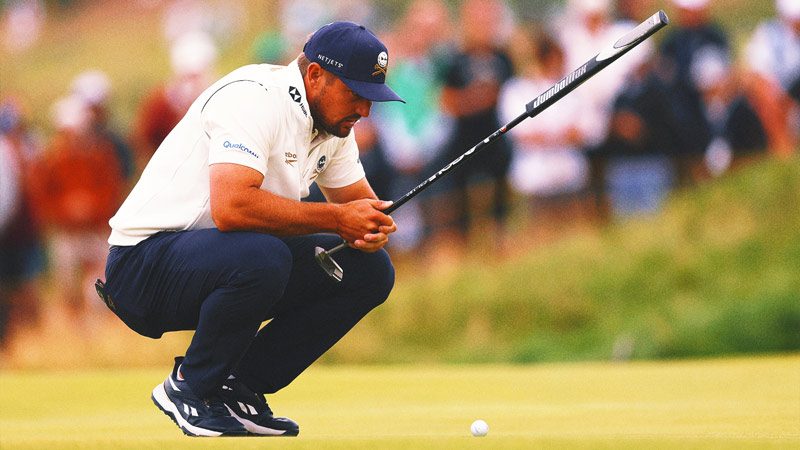
At the latest Open Championship, one of golf’s most prestigious tournaments, Bryson DeChambeau stirred discussion by openly criticizing the slow pace of play that has become a growing concern in professional golf. The American golfer, known for his analytical approach to the game, described the pace as “out of control” and proposed potential solutions aimed at addressing what many perceive as one of the sport’s biggest issues. DeChambeau’s comments came at a time when he himself was struggling to keep pace on the leaderboard, adding a layer of complexity to his observations.
Key Details
- Bryson DeChambeau calls the pace of play at The Open Championship 'out of control.'
- He suggests measures to speed up the game, though specific proposals were not fully detailed.
- The comments come amid DeChambeau’s own challenges during the tournament, with his performance affected by the slow tempo.
- The issue reflects wider concerns in professional golf regarding the length of rounds and viewer engagement.
- PGA Tour and tournament officials have been exploring ways to improve pace of play, including stricter timing rules and penalties.
Background
Professional golf has long grappled with the issue of slow pace of play, which can extend rounds and reduce viewer engagement both on-site and for broadcast audiences. Modern players often take considerable time for pre-shot routines, course management decisions, and use advanced technology to analyze shots, contributing to longer rounds. The Open Championship, held on challenging and historic courses, naturally demands thoughtful play, but the delays have increasingly tested players and fans alike.
Bryson DeChambeau, a 2020 U.S. Open champion, is known for his scientific and methodical approach, often taking longer than average for shots as he applies data-driven techniques. However, even he has expressed frustration with the overall pace, suggesting that the current conditions have become unsustainable for the sport’s future.
Analysis
DeChambeau’s critique highlights an ongoing tension in professional golf: the balance between thoughtful, strategic play and maintaining a brisk pace to keep players sharp and audiences engaged. Slow rounds can lead to fatigue, loss of concentration, and diminished enjoyment for spectators, especially in an era where sports compete fiercely for attention.
Several stakeholders, including players, broadcasters, and tournament organizers, have recognized that speeding up play is essential. The PGA Tour has experimented with shot clocks in some events and implemented penalties for slow play, but enforcement remains inconsistent. DeChambeau’s comments add pressure on officials to consider more decisive reforms.
Moreover, the slow pace can impact players differently. Those struggling to keep rhythm, like DeChambeau himself this weekend, may find their performance suffering. Conversely, some players utilize the slower pace to better plan shots, making the issue complex to address uniformly.
Conclusion
Bryson DeChambeau’s outspoken criticism of the slow pace at The Open Championship has reignited an important conversation about the future of professional golf. While his own weekend challenges underscore the personal impact of the issue, his call for solutions reflects a broader need for the sport to evolve. As golf continues to modernize, balancing strategic depth with pace will be crucial in maintaining competitive integrity and fan interest. The coming months will likely see heightened efforts by governing bodies to implement measures that ensure a smoother, more engaging golf experience.