Lewis Hamilton Takes Blame for Singapore GP Strategy Blunder, Dropping to Sixth
Introduction
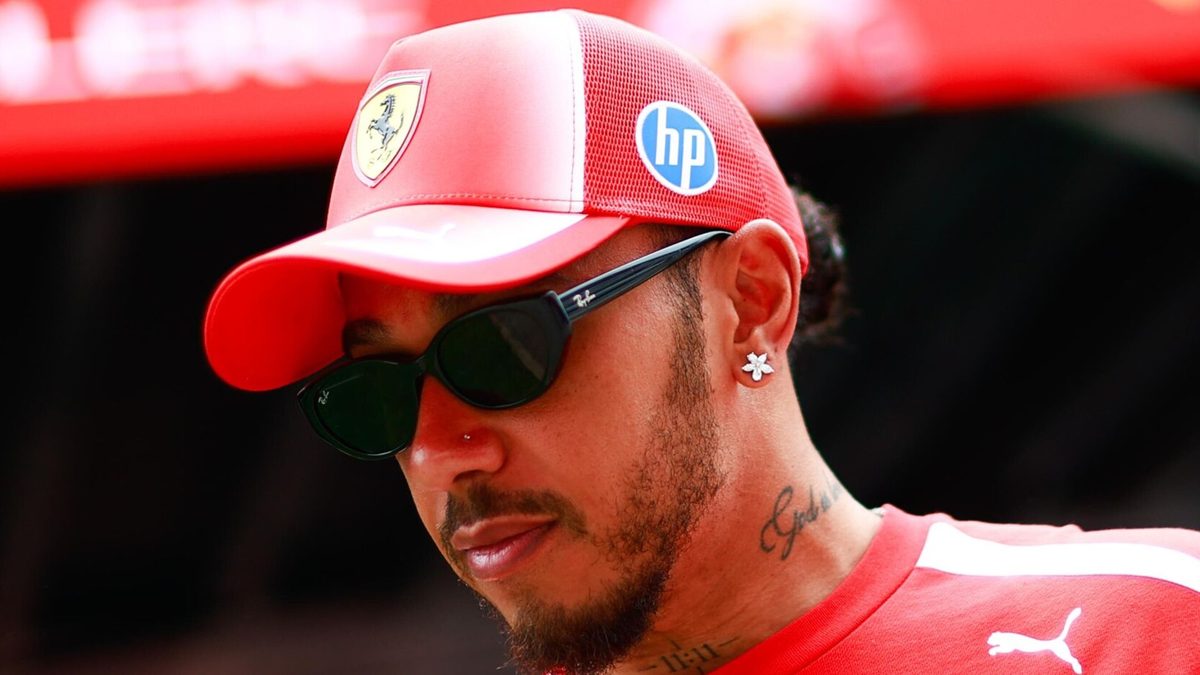
Seven-time Formula 1 World Champion Lewis Hamilton has publicly acknowledged a significant strategic misstep during the recent Singapore Grand Prix, taking full responsibility for a decision that saw him relinquish a strong podium position. The British driver took to social media platform Instagram to express his regret and apologize to his Ferrari team, describing the experience as a “painful lesson learned.” This incident highlights the high-stakes nature of F1 strategy and the immense pressure drivers face in making split-second decisions.
Key Details
- Lewis Hamilton overrode Ferrari's pit stop instructions during a Virtual Safety Car (VSC) period at the Singapore GP.
- Hamilton opted not to pit for fresh tires, believing it was the optimal strategy on a track where overtaking is notoriously difficult.
- This decision left him vulnerable, and he was subsequently overtaken by teammate Charles Leclerc, who did pit, and later by Kimi Antonelli (Mercedes) and McLaren's Lando Norris and Oscar Piastri.
- Hamilton dropped from a potential podium spot to sixth place by the end of the race.
- He later posted an apology on Instagram, stating, “It's a painful lesson to learn, but I take full responsibility for the decisions I made.”
- Ferrari Team Principal Frederic Vasseur supported Hamilton, stating that while the call was a mistake in hindsight, he respects drivers' feelings in the car.
- Ferrari's performance in Singapore saw them unable to challenge for victory, finishing behind Red Bull, with Leclerc in fourth.
Background
The Singapore Grand Prix is renowned for its challenging street circuit layout and often unpredictable race conditions due to its tropical climate and the potential for safety cars. In this particular race, a Virtual Safety Car period presented a critical strategic crossroads for the leading cars. While many teams opted to pit their drivers for fresh tires to gain an advantage in the closing stages, Lewis Hamilton, driving for Scuderia Ferrari, made a contrary decision. He chose to stay out on older tires, a gamble based on his assessment of the track's difficulty in overtaking and the potential benefit of track position. This decision, however, proved to be a miscalculation as the race unfolded.
Impact Analysis
Hamilton's decision to ignore the pit call had immediate and significant consequences. He lost track position to his teammate Charles Leclerc, who had pitted for fresh tires under the VSC. More critically, the older tires on Hamilton's car were unable to defend against drivers on newer rubber in the final laps. The subsequent overtakes by Leclerc, Antonelli, Norris, and Piastri demoted him from a potential podium finish to sixth. This outcome not only cost Ferrari valuable points but also served as a stark reminder of the fine margins in Formula 1. Hamilton’s candid admission of fault, however, is a positive sign for team cohesion. Team Principal Frederic Vasseur’s measured response, acknowledging the error but defending the driver's perspective, indicates a united front within the Maranello-based squad. The incident underscores the complex interplay between driver instinct and team strategy, a constant balancing act in modern motorsport.
Broader Context
The 2026 Formula 1 season has been characterized by intense competition among multiple teams, with the top four outfits often separated by mere tenths of a second. Ferrari, while competitive, has faced strong challenges from Red Bull, McLaren, and Mercedes. Team Principal Vasseur highlighted this close-knit field, noting that upgrades can significantly alter the pecking order. The Singapore race exemplified this, with Ferrari unable to match Max Verstappen's pace for victory. Hamilton's strategic error occurred within this context of fierce rivalry, where every point is crucial in the constructors' and drivers' championships. His apology also comes at a time when he is preparing to move to a different team, adding another layer of complexity to his final season with Ferrari.
Future Outlook
Looking ahead, the focus for Lewis Hamilton and Ferrari will be on learning from the Singapore GP setback. The team’s next race is the United States Grand Prix in Austin, a venue where they will aim to rebound. Hamilton's commitment to “put the work in and come back fighting” suggests a determined approach. For Ferrari, the challenge remains to consistently extract the maximum performance from their car and strategy, especially given the tight competition. Vasseur’s emphasis on focusing internally and developing their own package suggests a long-term strategy to close the gap to rivals like Red Bull. Hamilton’s ability to bounce back from such disappointments will be crucial for his and the team's morale as the season progresses.
Conclusion
Lewis Hamilton’s public apology following the Singapore Grand Prix strategic blunder demonstrates his accountability and sportsmanship. While the decision to override Ferrari's pit stop call resulted in a costly drop to sixth place, his candid admission serves as a “painful lesson” that the team will undoubtedly analyze. The incident highlights the razor-thin margins in Formula 1 and the constant challenge of balancing driver intuition with data-driven strategy. With the season tightly contested, Ferrari and Hamilton will look to regroup and apply the lessons learned as they head to the next round, aiming to convert their car's potential into consistent results and championship contention.
Source: skysports.com