Brazil Considers New Regulations on US Dividends and Tech Sector Amid Economic Sovereignty Drive
Introduction
Brazil, Latin America’s largest economy, is reportedly considering new regulatory measures affecting US dividends and American technology companies operating within its borders. This development emerges against a backdrop of increasing global economic nationalism and a push for stronger domestic control over critical industries. The government's inclination to review existing frameworks reflects ongoing concerns about the extensive presence and influence of foreign capital in Brazil's financial and digital sectors.
Key Details
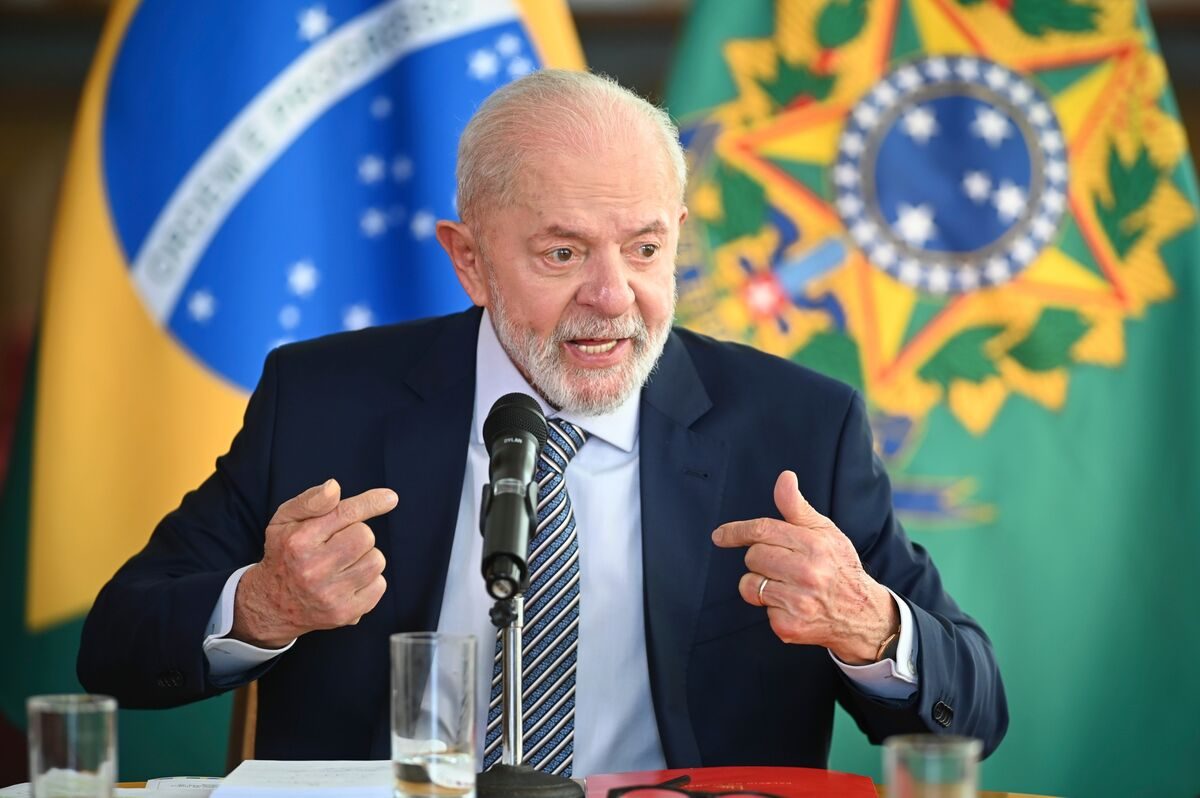
- President Luiz Inacio Lula da Silva’s administration is assessing potential restrictions on dividends remitted by Brazilian companies to US investors.
- Proposals to regulate American tech firms’ market activities and data management practices are also under consideration.
- The measures are conceived as part of a broader strategy to bolster economic sovereignty and protect national interests.
- Dialogue with international partners, including the US, is expected to continue to mitigate diplomatic tensions.
Background
Brazil has long been a recipient of foreign direct investment, with US companies playing a significant role, especially in finance and technology. The digital market explosion has made American tech giants some of the largest investors and operators locally, raising concerns about data security, tax revenues, and the economic leverage these firms wield. Meanwhile, dividend payments flowing out of the country have sparked debates among policymakers eager to ensure more equitable economic benefits from foreign operations.
President Lula, in office since 2023, has signaled intentions to emphasize national development policies and reduce Brazil's economic vulnerability to external shocks. This stance finds resonance among political factions that advocate for tightened fiscal and regulatory oversight of multinational corporations. The recent warning Lula issued to Venezuela’s government about election legitimacy further showcases his broader vision of regional stability intertwined with economic strength.
Analysis
Implementing new rules on US dividends could potentially reshape Brazil’s capital markets and diplomatic relations with the United States. While aimed at retaining more wealth within Brazil and encouraging domestic reinvestment, such measures risk deterring foreign investment if perceived as too restrictive. The balancing act involves safeguarding Brazil’s economic autonomy while maintaining an open environment attractive to global stakeholders.
In the tech sector, tighter regulations may address long-standing issues such as data sovereignty, consumer privacy, and fair competition. However, these adjustments require careful calibration to avoid disrupting technological innovation and digital services that Brazilian consumers and businesses increasingly depend on.
Given the global context of rising protectionism and digital sovereignty debates, Brazil’s actions follow a broader trend seen in other emerging economies. How Brazil negotiates this complex landscape will influence its economic trajectory and regional leadership role.
Conclusion
Brazil’s contemplation of measures targeting US dividends and American tech firms underscores a strategic pivot towards economic sovereignty and regulatory resilience. While the consultations and final policies remain in flux, this move signals Brazil’s intent to assert greater control over its financial and digital ecosystem amidst evolving global economic dynamics. The international community will be watching closely as these developments unfold, assessing their implications for investment flows, bilateral relations, and regional economic integration.