Creative Rights Clash: The Controversy Surrounding the AI-Enhanced Re-Release of 'Raanjhanaa'
Creative Rights Clash: The Controversy Surrounding the AI-Enhanced Re-Release of 'Raanjhanaa'
Introduction
The recent AI-altered re-release of the 2013 film 'Raanjhanaa' has ignited a fierce dispute between Eros International and acclaimed filmmaker Aanand L. Rai. This conflict not only underscores the complexities surrounding creative rights in the realm of cinema but also raises critical questions about the intersection of technology and artistry in modern filmmaking. As both parties present their narratives, the implications of their disagreement extend far beyond this single case, marking a pivotal moment for Indian cinema as it navigates an increasingly digital landscape.
Key Details
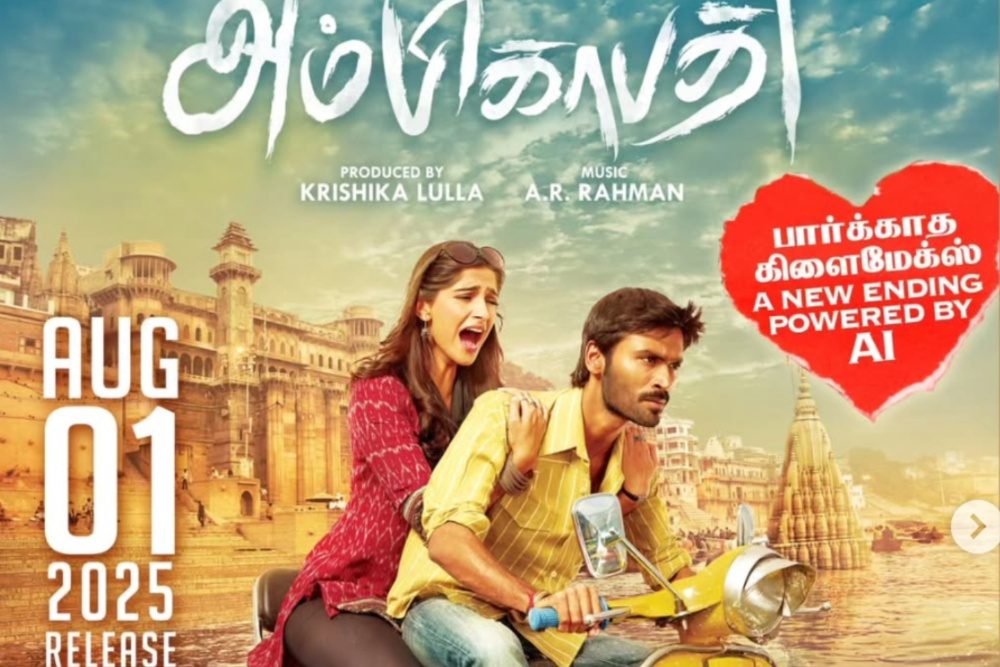
- Dispute Origins: The conflict arose when Eros International announced an AI-enhanced re-release of the Tamil-language version of 'Raanjhanaa' without Rai’s consent.
- Creative Rights Claims: Rai contends that the alterations infringe upon his creative vision, while Eros argues they are enhancing the film for a new audience.
- Corporate Governance Questions: The disagreement raises important questions about who holds creative control in collaborative projects.
- Impact of AI: The use of AI in filmmaking is rapidly evolving, leading to varying interpretations of artistic ownership.
Background
'Raanjhanaa,' a romantic drama that gained significant commercial success, is renowned for its engaging storytelling and strong performances. Directed by Aanand L. Rai, the film resonated deeply with audiences and marked a significant entry in contemporary Indian cinema. However, the recent announcement of an AI-altered version has sparked a contentious debate. Eros International, a major player in film production and distribution, has sought to leverage advancements in artificial intelligence to enhance the viewing experience. This decision has been met with backlash, as Rai argues that the integrity of his original work is compromised.
Analysis
The ongoing dispute serves as a microcosm of the broader challenges facing the film industry today. As technology continues to evolve, filmmakers are grappling with the implications of AI and its potential to alter creative works. In this case, Rai's concerns reflect a growing anxiety among creators about losing control over their artistic vision. The scenario raises profound questions about what constitutes artistic integrity and how technological enhancements may blur the lines between original content and derivative works.
Moreover, the role of corporate governance in creative projects is under scrutiny. The conflict reveals that the relationship between studios and filmmakers often hinges on trust and mutual respect for creative ideas. A lack of clear agreements and communication can lead to disputes that not only affect individual projects but can also set precedents for the industry as a whole.
In the context of Indian cinema, this situation is particularly significant. As the industry embraces digital innovation, the potential for AI to reshape storytelling is both exciting and fraught with ethical dilemmas. The creative sector must navigate these challenges while preserving the essence of artistic expression. The outcome of this dispute may well influence how future collaborations are structured and what protections are afforded to creators.
Conclusion
The dispute between Eros International and Aanand L. Rai over the AI-altered 'Raanjhanaa' is emblematic of the tensions that arise at the intersection of technology and creativity. As both sides continue to present their cases, the film industry watches closely, recognizing that the implications of this conflict extend beyond personal grievances to impact the very foundations of creative rights in cinema. This moment represents not only a critical inflection point for Indian cinema but also a broader dialogue on the future of artistic creation in an era increasingly defined by technological advancement.