Amazon Sellers Face New Bidding System for Faster Delivery
Introduction
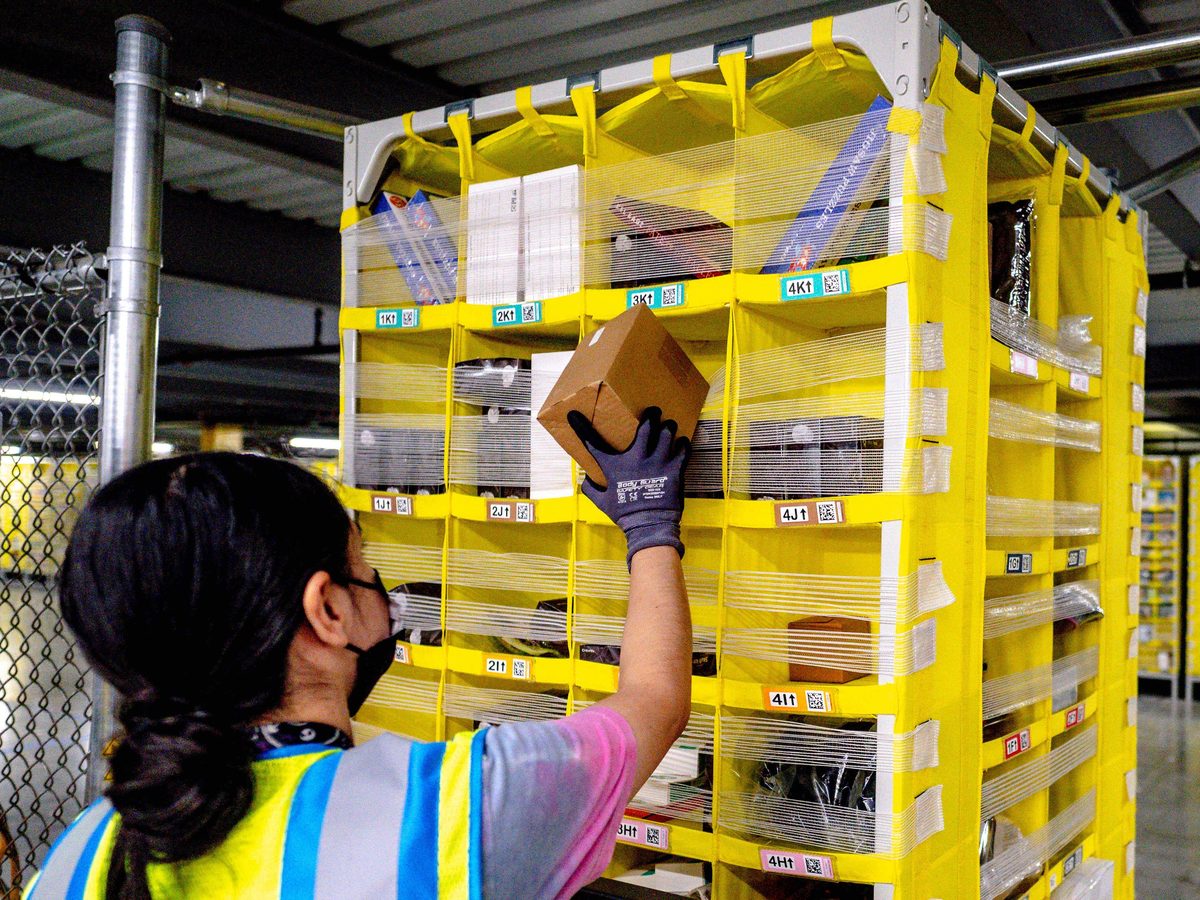
Amazon is implementing a new strategy to enhance its ultra-fast delivery capabilities, particularly for items ordered through its Fulfillment by Amazon (FBA) program. The e-commerce giant is now asking select third-party sellers to participate in a bidding system to make their products eligible for a premium shipping option known as “sub-Same Day” delivery. This service promises delivery within hours of an order being placed, a move designed to capture more sales by meeting heightened customer expectations for speed.
Key Details
- New Bidding System: Amazon is inviting third-party sellers using FBA to bid for eligibility in the “sub-Same Day” delivery program.
- Delivery Speed: “Sub-Same Day” deliveries aim to reach customers as quickly as two hours after an order is placed.
- Sales Impact: Amazon reports that items using this expedited service have seen “12% higher sales on average” compared to standard FBA delivery.
- Payment Structure: Sellers will only pay for units that are successfully shipped via “sub-Same Day” delivery, based on the per-unit price they bid. Participation is optional, and sellers control their maximum bid price.
- Seller Feedback: Some sellers express a preference for a straightforward elevated cost rather than a bidding system, citing concerns about “game theory” and added complexity.
Background
The “sub-Same Day” delivery service is part of Amazon’s broader push to offer increasingly rapid shipping options. Over the past year, the company has expanded the range of products available for multi-hour delivery and introduced 30-minute delivery for select groceries and essentials in certain cities. To support these ambitious timelines, Amazon relies heavily on inventory stored in its warehouses by third-party sellers, who constitute a significant portion of the platform’s sales volume. This new bidding mechanism signifies a shift towards making sellers compete financially for prime placement within these expedited logistics networks.
Impact Analysis
The introduction of a bidding system for “sub-Same Day” delivery is likely to increase operational costs and complexity for third-party sellers. While Amazon frames this as an opportunity for sellers to leverage their business insights and customer data to optimize shipping strategies, advisors suggest it could function as an additional fee. Sellers may need to allocate more resources to warehousing inventory closer to customer hubs, a strategy that inherently raises costs. Furthermore, the bidding process itself introduces an element of uncertainty and competition, potentially forcing sellers to bid higher than they might prefer to maintain visibility and sales velocity. As Vanessa Hung, CEO of Online Seller Solutions, noted, “If you want to keep playing at the highest level, you need to bid for that and pay more.” This could disproportionately affect smaller sellers with tighter margins.
Broader Context
This move by Amazon occurs against a backdrop of increasing costs and evolving challenges for third-party sellers on the platform. In recent months, sellers have faced other changes, such as Amazon deducting advertising costs directly from sales proceeds, leading to protests like a one-day ad boycott in April. Some sellers are exploring alternative platforms like TikTok Shop, attracted by lower selling costs. However, for those who depend on Amazon’s vast customer base and sales volume, the new bidding system represents another hurdle in navigating the platform’s increasingly competitive and costly environment. Amazon’s spokesperson stated that the company “will continue to place a wide variety of products from independent sellers throughout our Same Day network at no additional cost to sellers,” suggesting that the bidding is for a specific, premium tier of service.
Future Outlook
The success of Amazon’s bidding system will depend on several factors, including the willingness of sellers to pay the increased costs, the perceived value of the 12% sales uplift, and Amazon’s ability to manage the bidding process transparently. If the system proves effective in driving sales and customer satisfaction for “sub-Same Day” eligible products, it could become a standard feature for expedited shipping. Conversely, significant seller pushback or a perception of unfairness could lead Amazon to reconsider its approach, potentially reverting to simpler pricing models or offering different tiers of expedited service. The company’s stated goal of evaluating bids based on factors like customer feedback suggests an attempt to balance seller investment with service quality.
Conclusion
Amazon’s introduction of a bidding system for its “sub-Same Day” delivery service marks a significant evolution in how third-party sellers can access premium shipping options. While the potential for a 12% sales increase is enticing, the added costs and complexity of a bidding war raise concerns for many sellers. This development underscores the ongoing tension between Amazon’s drive for logistical efficiency and speed, and the financial realities faced by the independent sellers who form the backbone of its marketplace. Sellers must now weigh the strategic decision of whether to invest more in competing for faster delivery slots, potentially impacting their profitability and overall business strategy on the platform.
Source: businessinsider.com