Alligator Alcatraz: $225 Million Detention Center Sparks Outrage and Polarizing Memes
Introduction
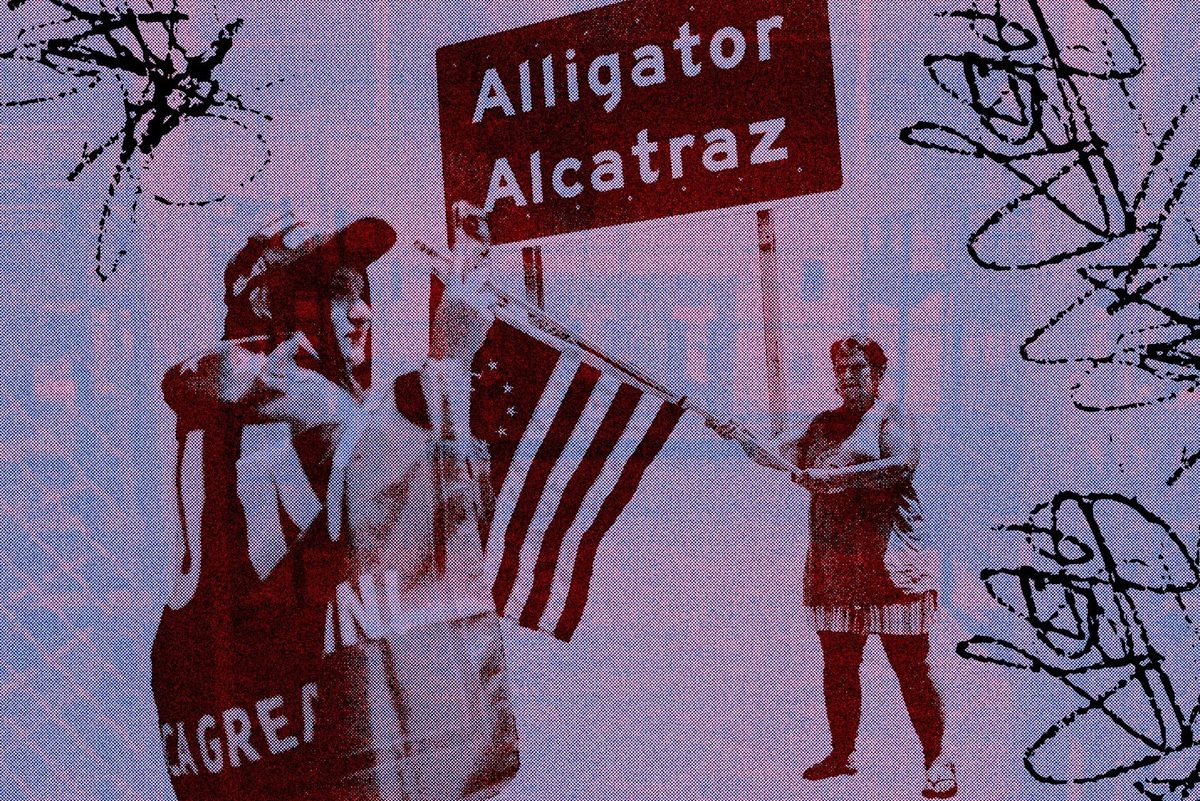
In the heart of Florida’s Everglades lies Alligator Alcatraz, a $225 million immigrant detention facility hastily constructed amid a surge in migrant arrivals. More than just a center for detaining undocumented immigrants, the facility has quickly turned into a symbol of controversy, combining allegations of deplorable conditions with an unexpected role as a political meme among President Donald Trump’s supporters. The complex dynamics surrounding Alligator Alcatraz reveal much about the polarized nature of contemporary immigration debates in the United States.
Key Details
- Location: Everglades, Florida
- Cost: Over $225 million (and rising)
- Purpose: Immigrant detention
- Reported conditions: Worms in food, fecal water flooding floors, constant fluorescent lighting, and no air conditioning during humid nights
- Political dimension: Viewed by some supporters of Trump as a symbol of immigration enforcement, with memes circulating that often downplay or mock the harsh realities
Background
The construction of Alligator Alcatraz came at a time of escalating immigration enforcement policies in the U.S., particularly targeting migrants at the southern border. Florida’s governor, Ron DeSantis, spearheaded this initiative as part of a broader political effort to crack down on undocumented immigration. The site’s rapid development and high cost have raised questions about fiscal responsibility and the prioritization of resources.
Reports from multiple sources, including The Washington Post and The Verge, have detailed the harsh conditions inside the facility. Detainees face unsanitary environments, with images and testimonies describing food contamination, flooding with human waste, and extreme discomfort due to environmental controls like lighting and lack of air conditioning.
Impact Analysis
The allegations of inhumane treatment have sparked national and international criticism. Human rights organizations have condemned the facility, urging investigations and reforms. Yet, within certain political factions, especially among Trump’s most ardent supporters, the facility has become a source of dark humor and memes, which serve to energize their base while alienating moderate and left-leaning Americans.
"The conditions at Alligator Alcatraz represent a failure of our values and a humanitarian crisis that demands urgent attention," said a spokesperson from a prominent human rights group.
This polarizing response illustrates how immigration issues continue to divide American society, with some viewing enforcement as both necessary and justified, while others decry the practices as cruel and unethical.
Broader Context
The existence of Alligator Alcatraz must be understood within the broader context of U.S. immigration policy, which has oscillated between enforcement and humanitarian concerns over decades. Facilities like this highlight the tensions between border security priorities and human rights obligations.
Moreover, the use of social media memes to frame the narrative around Alligator Alcatraz points to the evolving landscape of political communication. Memes, often simplistic and emotionally charged, can distort complex realities, contributing to misinformation and heightened division.
Future Outlook
As investigations into the facility’s conditions proceed, there may be policy shifts or legal challenges ahead. Public pressure could compel state and federal authorities to improve standards or reconsider the facility’s role. Meanwhile, the political and social debates fueled by Alligator Alcatraz are unlikely to subside, as immigration remains a central and contentious issue in American politics.
Conclusion
Alligator Alcatraz stands as a stark example of how immigration enforcement, infrastructure spending, political identity, and media narratives intersect in modern America. The facility’s reported conditions demand scrutiny and reform, while the polarized reactions reflect deeper societal fractures. Understanding this complex story is essential for grappling with the future of immigration policy and human rights in the United States.