AI Boom Fuels Bipartisan Energy Bill, Dividing Environmentalists and Green Power Advocates
Introduction
A significant piece of bipartisan legislation, dubbed the Bipartisan American Affordability and Jobs Act (BAAJA), is currently navigating the complexities of the U.S. Congress. Its primary objective is to streamline the permitting process for energy infrastructure projects, a move proponents argue is crucial to fuel the burgeoning artificial intelligence (AI) boom and address rising energy demands. However, this legislation has created an unusual alignment of interests, bringing the fossil fuel industry and renewable energy sector together, while simultaneously creating a rift between some environmental organizations and green energy advocates.
Key Details
- Legislation Name: Bipartisan American Affordability and Jobs Act (BAAJA).
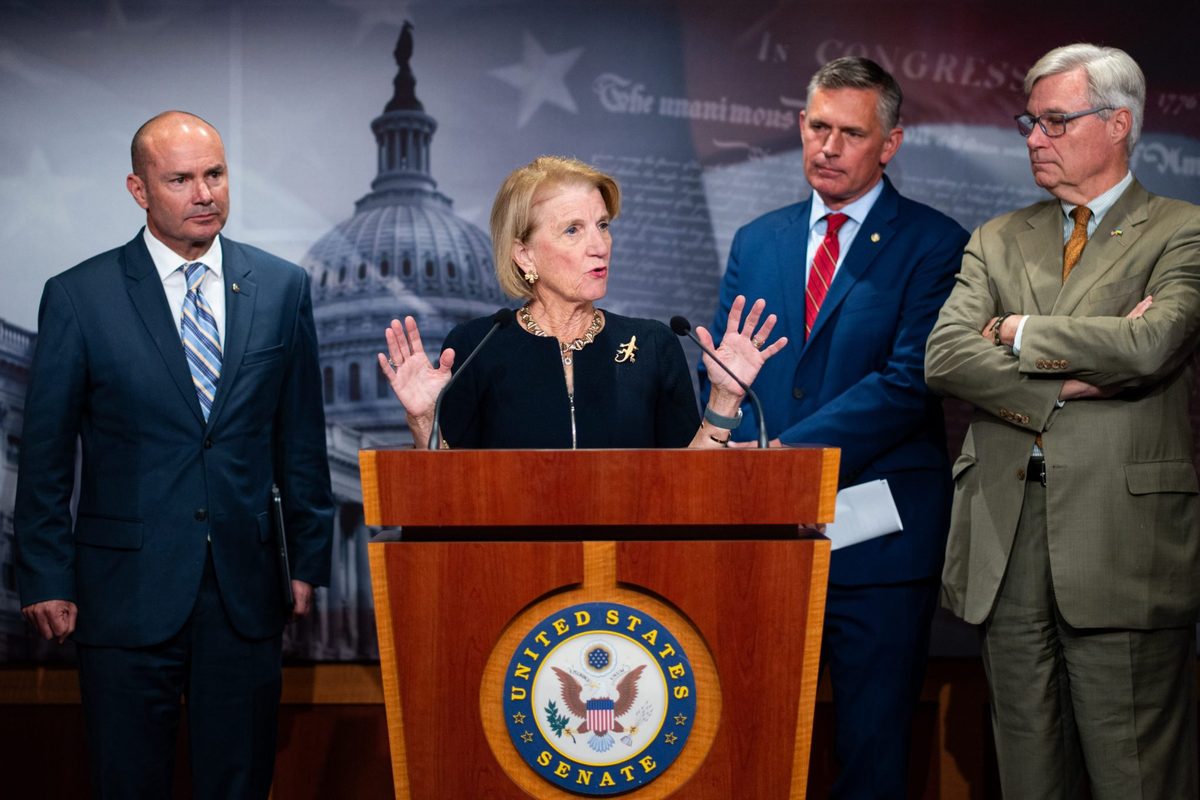
- Co-authors: Sens. Mike Lee (R-Utah), Sheldon Whitehouse (D-R.I.), Martin Heinrich (D-N.M.), and Shelley Moore Capito (R-W.V.), referred to as the “Four Corners.”
- Core Provisions: Accelerates permitting timelines for various energy projects (solar, wind, transmission lines, oil, gas pipelines), limits presidential administrations' ability to revoke permits, narrows environmental reviews, and restricts litigation to federal courts.
- Support: Bipartisan backing, including unusual support from Sen. Whitehouse and the Trump White House.
- Opposition: Some environmental groups like Earthjustice Action and the Sierra Club cite concerns over weakened environmental protections.
- Advocates: Solar Energy Industries Association (SEIA), fossil fuel industry leaders like Toby Rice (CEO of EQT).
Background
The push for permitting reform has gained unprecedented momentum, driven by a confluence of factors. Power demand is escalating at a pace not seen in decades, largely fueled by the rapid expansion of data centers required for AI development. This surge in demand, coupled with aging infrastructure and other economic factors, is leading to significant spikes in electricity and utility prices. The BAAJA seeks to address these challenges by overhauling the often lengthy and complex permitting processes that have historically hindered the development of new energy infrastructure, from renewable farms to essential transmission lines and even traditional fossil fuel projects.
Impact Analysis
The legislation's impact is multifaceted. For the renewable energy sector, particularly solar and wind, faster permitting could unlock significant growth. The development of massive transmission systems, often a bottleneck for renewables, is a key focus. Projects like those in Texas, which connected windy western regions to major cities, demonstrate the critical role of transmission in enabling renewable energy deployment. Ben Norris of the Solar Energy Industries Association highlights that the bill’s language is expected to unlock substantial new clean energy and transmission capacity, arguing the benefits outweigh the compromises. He emphasizes a desire to work with all stakeholders to get the bill passed, believing it will increase electricity supply and put downward pressure on prices.
Conversely, environmental groups express grave concerns. Abigail Dillen of Earthjustice Action argues that the bill “eviscerates bedrock protections for water, wetlands, endangered species, and the most basic expectations for transparency and responsible environmental analysis.” She contends that fast-tracking more gas projects, closing courthouse doors to challenges, and dismantling environmental laws will lead to increased pollution and health risks. The Sierra Club echoes these sentiments, pointing to potential weakening of the National Environmental Policy Act (NEPA), Endangered Species Act, and Clean Water Act, as well as limiting states’ ability to protect their own waterways.
The fossil fuel industry, however, sees the bill as a crucial step towards regulatory certainty. Toby Rice, CEO of EQT, argues that the legislation will help lower utility prices and provide confidence for infrastructure development. He points to the lengthy and arduous process of building projects like the Mountain Valley Pipeline as evidence of the need for reform. Rice advocates for a “tech-neutral” approach, allowing all energy forms to be built and compete in the market, with natural gas potentially serving as a bridge fuel and export commodity.
“A deal that fast-tracks more gas, closes courthouse doors, and dismantles our laws to further embolden a lawless administration is not a compromise we can afford now,” said Abigail Dillen, President of Earthjustice Action.
Broader Context
The current political climate adds another layer of complexity. For Democrats, the bill presents a dilemma: accept a compromise that includes fossil fuels but speeds up clean energy deployment, or hold out for a potentially more environmentally robust bill next year that might face insurmountable Republican opposition and gridlock. The support from Sen. Whitehouse, a long-time advocate for environmental causes, is particularly noteworthy and likely stems from the perceived leverage it gives Democrats to overcome past obstruction of renewable projects, such as those by the Trump administration. Republicans, on the other hand, see fewer downsides, with the primary opposition coming from those ideologically opposed to green power or concerned about federal overreach in local permitting.
Future Outlook
The window for passing the BAAJA is narrow, with votes likely to occur after the November midterm elections. Supporters remain optimistic, but potential obstacles abound. If the bill fails to pass, Democrats may face the challenge of crafting a new version next year, which would still require 60 Senate votes and could be subject to a presidential veto. The AI boom’s insatiable appetite for power suggests that the debate over energy infrastructure permitting will remain a critical issue, regardless of this bill’s fate. The tension between accelerating energy deployment for economic growth and preserving environmental safeguards will continue to shape policy discussions.
Conclusion
The Bipartisan American Affordability and Jobs Act represents a significant, albeit contentious, effort to balance the urgent need for energy infrastructure expansion with environmental considerations. It highlights a rare moment of unity between traditional energy and clean energy industries, driven by the escalating demands of the AI era. However, the deep divisions it has exposed among environmental advocates and green energy proponents underscore the ongoing challenge of forging a path forward that satisfies both rapid development and robust environmental protection. The outcome of this legislative effort will have profound implications for the future of energy in the United States, the trajectory of the AI revolution, and the nation’s environmental health.
Source: fortune.com