25W Wireless Charging Revolutionizes iPhones and Major Android Smartphones
Introduction
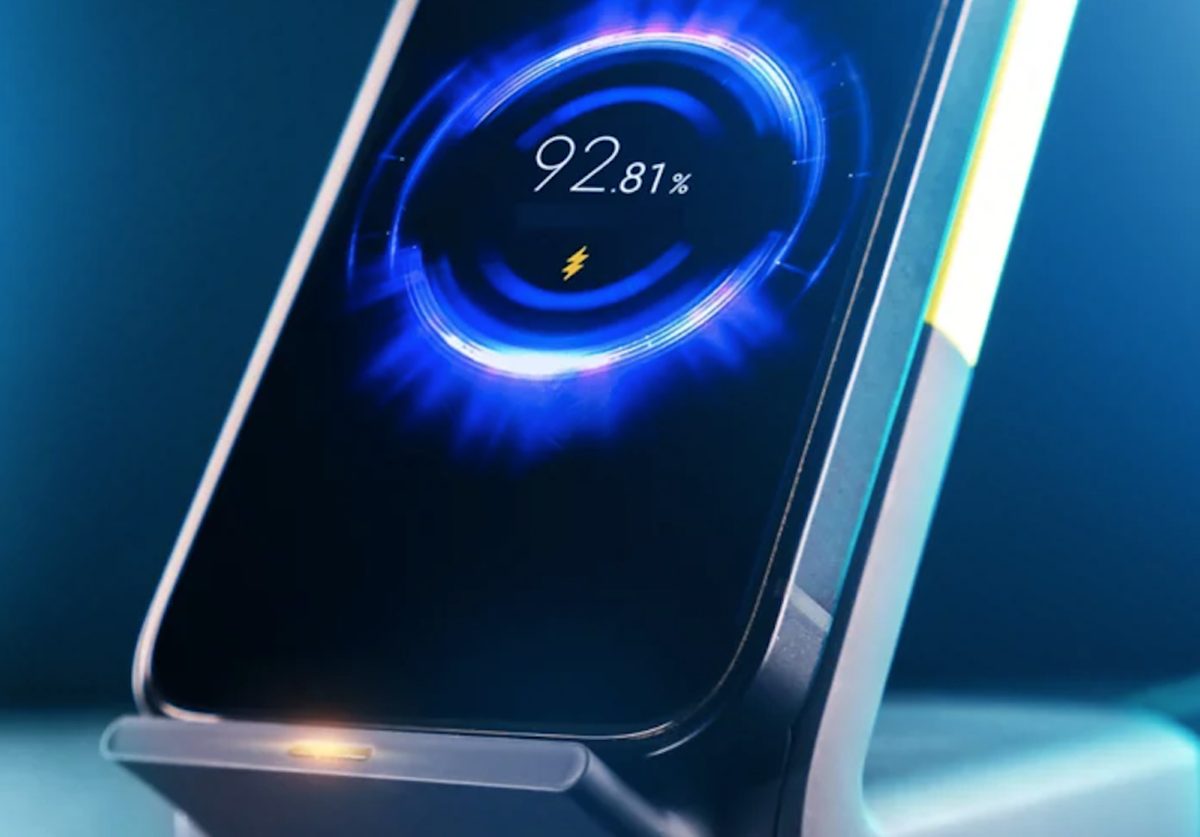
The wireless charging landscape is set for a notable transformation with the upcoming launch of the Qi2 25W standard. This new iteration of the Qi technology is anticipated to provide rapid charging capabilities for both iPhones and a range of major Android smartphones. Significantly, the Qi2 25W version offers a substantial power delivery improvement, which could transform user experiences and lead to widespread adoption.
Key Details
- New Standard: Qi2 25W offers up to 25 watts of charging power.
- Performance Boost: This represents a 66% increase over the previous Qi2 standard.
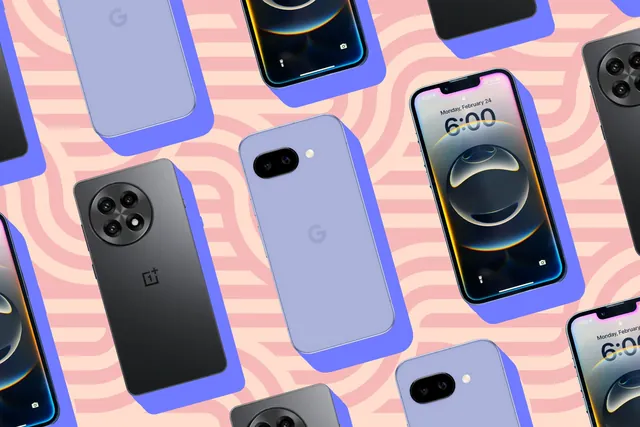
- Industry Adoption: Apple iPhones will incorporate Qi2 25W, while several Android devices are in the pipeline to receive certification.
- Executive Insight: Paul Struhsaker from the Wireless Power Consortium emphasizes the efficiency of Qi2 25W.
- Device Certification: Hundreds of devices are awaiting testing for this new standard.
Background
The Qi wireless charging standard has been in existence for several years but has evolved through various iterations to meet the growing demands for faster and more efficient charging. The Qi2 25W version is a response to consumer expectations for speed and convenience, especially as smartphones become an integral part of daily life. Apple's ongoing integration of wireless charging technology into their devices has paved the way for the Qi2 25W standard's announcement, which was initially made in April when it was still referred to as Qi2.2.
The significance of this enhancement is especially pronounced for Android smartphones. Historically, many Android models have not been certified for Qi2 compatibility. This limitation meant that users often relied on proprietary solutions, which not only fragmented the market but also hindered the seamless adoption of wireless charging across devices. The introduction of Qi2 25W stands to rectify this situation by allowing multiple manufacturers to adopt a standardized method of wireless charging.
Impact Analysis
The implications of the Qi2 25W standard are far-reaching:
- User Experience: The faster charging times will likely lead to increased user satisfaction, as owners of compatible phones will spend less time tethered to charging cables.
- Market Dynamics: With improved charging capabilities, manufacturers may find an increased incentive to incorporate Qi2 25W technology into their devices, thus fostering competition and innovation.
- Environmental Factors: A shift to more efficient wireless charging solutions could lead to reduced electronic waste, as consumers may hold onto devices longer when their charging needs are met more efficiently.
“Qi2 25W’s remarkably fast and efficient wireless charging will encourage increased penetration of wireless charging usage and accelerate the adoption of the new standard,” says Paul Struhsaker.
Broader Context
The shift to Qi2 25W is also influenced by the broader trends in consumer electronics, where convenience and speed are paramount. As the global market continues to embrace wireless technologies, the standardization of charging methods is crucial for ensuring that users can charge their devices effortlessly across different manufacturers. The anticipated certification of a broader range of Android devices under the Qi2 25W standard is particularly significant as it represents a unification of technology in an otherwise fragmented ecosystem.
This shift could also reflect a changing landscape in how consumers view charging technologies. Consumers are increasingly seeking devices that offer not only performance but also compatibility across the board. As more products, including power banks and chargers, achieve certification under the Qi2 25W standard, it enhances the overall ecosystem and encourages manufacturers to innovate further.
Future Outlook
Looking ahead, the successful rollout of Qi2 25W could set the stage for future advancements in wireless charging technology. The Wireless Power Consortium (WPC) is currently testing several hundred devices, which speaks to the significant interest from manufacturers in adopting this standard. As manufacturers respond to consumer demand for faster charging solutions, we may see even more innovations in charging technology, potentially including features like reverse wireless charging and multi-device charging capabilities.
In the long term, the widespread adoption of Qi2 25W could inspire new applications beyond smartphones and accessories. The principles of efficient energy transfer could influence other sectors, such as electric vehicles and home appliances, leading to a more interconnected and efficient energy ecosystem.
Conclusion
The introduction of Qi2 25W marks a significant milestone in the evolution of wireless charging standards. With its promise of faster and more efficient charging, this new technology is likely to enhance user experiences for iPhone and Android users alike. As the industry shifts towards greater standardization, the implications for consumers, manufacturers, and the environment could be profound. The coming months will be pivotal as device manufacturers prepare to incorporate this new standard, ushering in a new era of wireless charging.