2027 Range Rover Electric Debuts, Targeting 70% New Buyers
Introduction
Jaguar Land Rover (JLR), an early proponent of automotive electrification, has officially launched the 2027 Range Rover Electric. This marks a significant step in the company's transition away from internal combustion engines, a journey that, while facing global challenges like pandemics and supply chain disruptions, remains a core strategic objective. The new all-electric model joins the existing lineup of combustion engine and plug-in hybrid Range Rovers, offering a fully electric experience without compromising the iconic Range Rover identity.
Key Details
- Model: 2027 Range Rover Electric
- Powertrain: Dual permanent-magnet synchronous motors (front and rear), producing a combined 542 hp and 627 lb-ft of torque.
- Architecture: Utilizes JLR's MLA platform, designed for powertrain flexibility.
- Weight: Only 165 lbs (75 kg) heavier than the V8 variant, thanks to weight savings from eliminated drivetrain components.
- Price: Starting at approximately $138,000, significantly less than electric restomod conversions.
- Aerodynamics: Features a slightly revised front grille and more aero-efficient wheels to reduce drag.
- Demand: JLR reports 80,000 “hand-raisers,” with 50% from North America.
- Customer Profile: 70% of hand-raisers are new to the Range Rover brand; 20% of these already own an EV.
Background
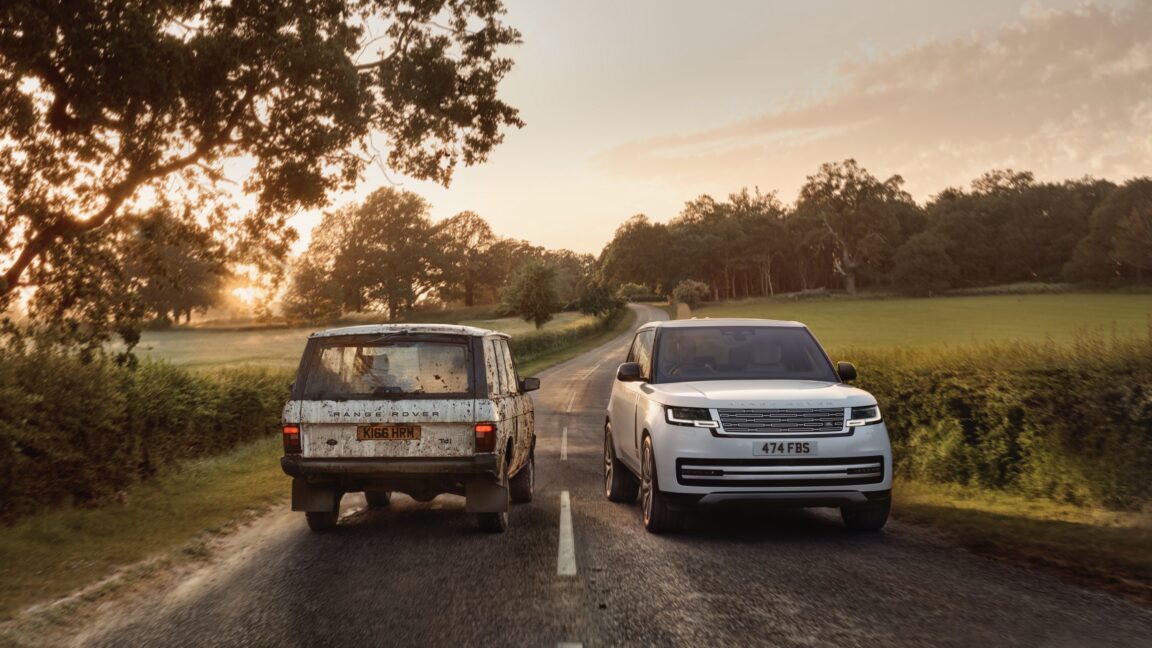
For enthusiasts seeking an electric Range Rover experience prior to this official release, the only viable option was often a costly and compromised “restomod” conversion. These classic vehicles, while retaining their vintage charm, typically drive with the limitations of their original design and come with exorbitant price tags. The 2027 Range Rover Electric directly addresses this gap, offering a modern, factory-backed electric alternative. JLR’s commitment to electrification was announced years ago, and despite inevitable delays, the brand is now delivering on its promise with a vehicle that integrates cutting-edge EV technology into its most luxurious offering.
Impact Analysis
The introduction of the Range Rover Electric is poised to significantly impact JLR’s market position and customer base. The company’s data indicates strong pre-launch interest, with 80,000 potential customers expressing their intent. Crucially, a substantial 70% of these “hand-raisers” are new to the Range Rover brand, suggesting the electric variant is a powerful magnet for attracting fresh clientele. Furthermore, the fact that 20% of these new prospects already own an electric vehicle signals that the Range Rover Electric can compete effectively in the growing EV market, drawing buyers from established EV manufacturers. The competitive pricing, starting around $138,000, positions it as a more accessible, yet still premium, alternative to the high-priced electric conversions of the past, while offering the assurance of modern safety features and manufacturer support.
“Because the idea was to make the Range Rover Electric a Range Rover first and an EV second, it looks virtually identical to the other versions…”
This design philosophy is key. By maintaining the familiar, luxurious aesthetics of the Range Rover, JLR aims to ease the transition for traditional buyers while appealing to EV adopters who value established luxury and capability. The subtle aerodynamic enhancements, such as the revised grille and wheels, are testament to the engineering effort to balance electric performance with Range Rover’s signature style.
Broader Context
The automotive industry is undergoing a seismic shift towards electrification, driven by regulatory pressures, environmental concerns, and evolving consumer preferences. Luxury automakers, in particular, are investing heavily in electric platforms to maintain their competitive edge. The Range Rover Electric enters a segment increasingly populated by high-performance electric SUVs. JLR’s strategy appears to be leveraging its established brand equity and design language, rather than pursuing a radical departure in styling, which could be a shrewd move in a market where brand identity is paramount. The MLA architecture’s inherent flexibility, designed over a decade ago, is proving its worth by accommodating diverse powertrains, including this advanced electric setup.
Future Outlook
The success of the 2027 Range Rover Electric will likely influence JLR’s future electrification strategy. If it can convert a significant portion of its hand-raisers into sales, particularly those new to the brand and existing EV owners, it validates JLR’s approach of blending electrification with established luxury. The company’s ability to manage production and supply chains effectively will be critical in meeting demand. Looking ahead, we can expect further refinements and potentially more performance-oriented electric variants within the Range Rover family, as JLR continues to phase out combustion engines. The focus on integrating EV technology seamlessly into a revered luxury platform suggests a long-term commitment to electric mobility across its brands.
Conclusion
The 2027 Range Rover Electric represents a calculated and strategic evolution for Jaguar Land Rover. It offers a compelling blend of iconic Range Rover luxury, off-road capability, and modern electric performance. By prioritizing the Range Rover experience and making it accessible at a competitive price point compared to previous electric conversions, JLR is well-positioned to attract a new generation of buyers while retaining its loyal customer base. The strong initial interest underscores the market's appetite for a premium electric SUV that doesn’t compromise on heritage or capability.
Source: arstechnica.com