Wolff Expresses Mixed Feelings as Rival Horner Exits Red Bull Amidst F1 Power Shifts
Introduction
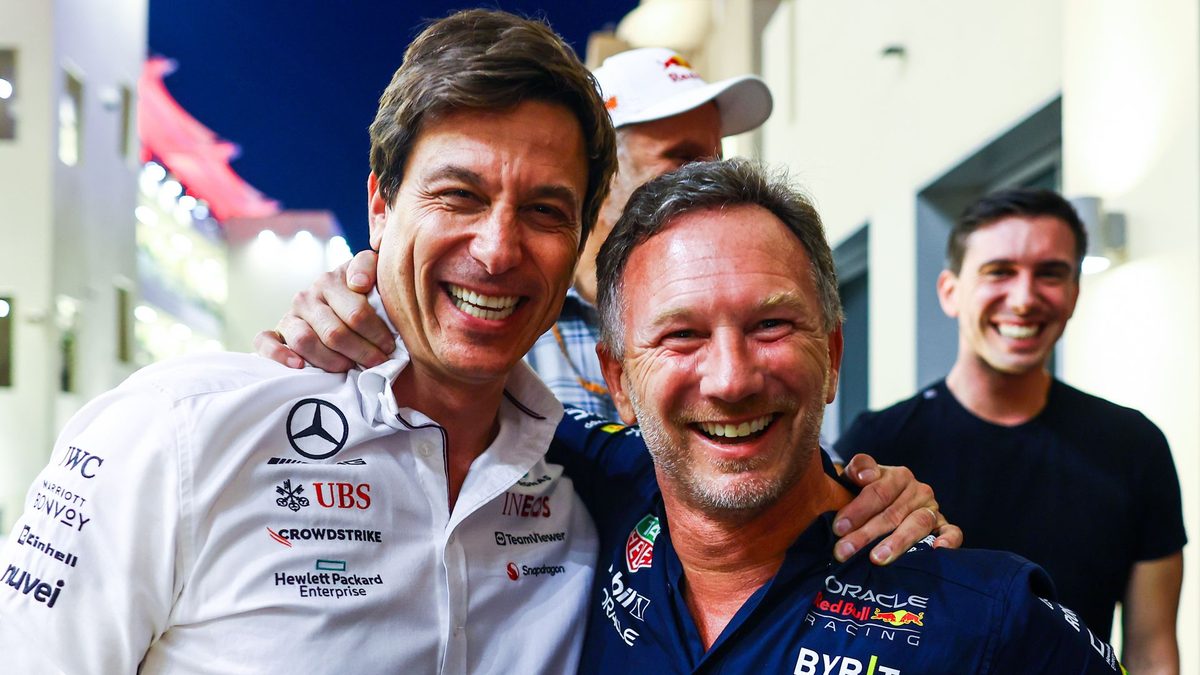
The Formula 1 paddock was shaken by the sudden departure of Red Bull Racing's long-serving team principal Christian Horner, prompting reactions from key figures across the sport. Among the most notable responses came from Mercedes-AMG Petronas team principal Toto Wolff, who expressed nuanced sentiments about his rival's exit.
Key Details
- Toto Wolff acknowledged he'll miss competing against Christian Horner 'in a way'
- The Mercedes chief firmly denied any role in Horner's dismissal
- Horner's 18-year tenure at Red Bull ended abruptly amid unspecified internal matters
- The departure comes during Red Bull's dominant technical period in F1
- Wolff and Horner's rivalry spanned multiple championship battles since 2014
Background
The Wolff-Horner rivalry became one of F1's defining narratives during the hybrid engine era. Since Mercedes' dominance began in 2014, the two team principals frequently clashed both on and off track, trading barbs in media sessions while their teams battled for championships. Horner built Red Bull into a four-time constructors' champion (2010-2013) before facing Mercedes' supremacy. Their relationship blended professional respect with intense competition, making Wolff's recent comments particularly revealing about the complex dynamics between F1's power brokers.
Analysis
Horner's departure marks a significant shift in F1's leadership landscape at a critical juncture. With Red Bull currently enjoying technical superiority, the timing raises questions about internal dynamics at the energy drink-backed team. Wolff's carefully worded statement suggests:
- Recognition of Horner's impact on F1's modern era
- Preservation of professional courtesy despite their rivalry
- Strategic positioning as Mercedes seeks to close the performance gap
The situation also highlights the immense pressure on team principals in F1's high-stakes environment, where technical success and political maneuvering are equally crucial.
Conclusion
As Formula 1 enters a period of regulatory stability until 2026, leadership changes at top teams could significantly influence the championship's trajectory. Wolff's comments underscore how personal relationships intertwine with fierce competition in F1's pressure cooker environment. While the exact circumstances surrounding Horner's exit remain unclear, its reverberations will likely shape team dynamics throughout the 2024 season and beyond.