WNBA Players Amplify Pay Dispute with Bold Statement at All-Star Game
Introduction
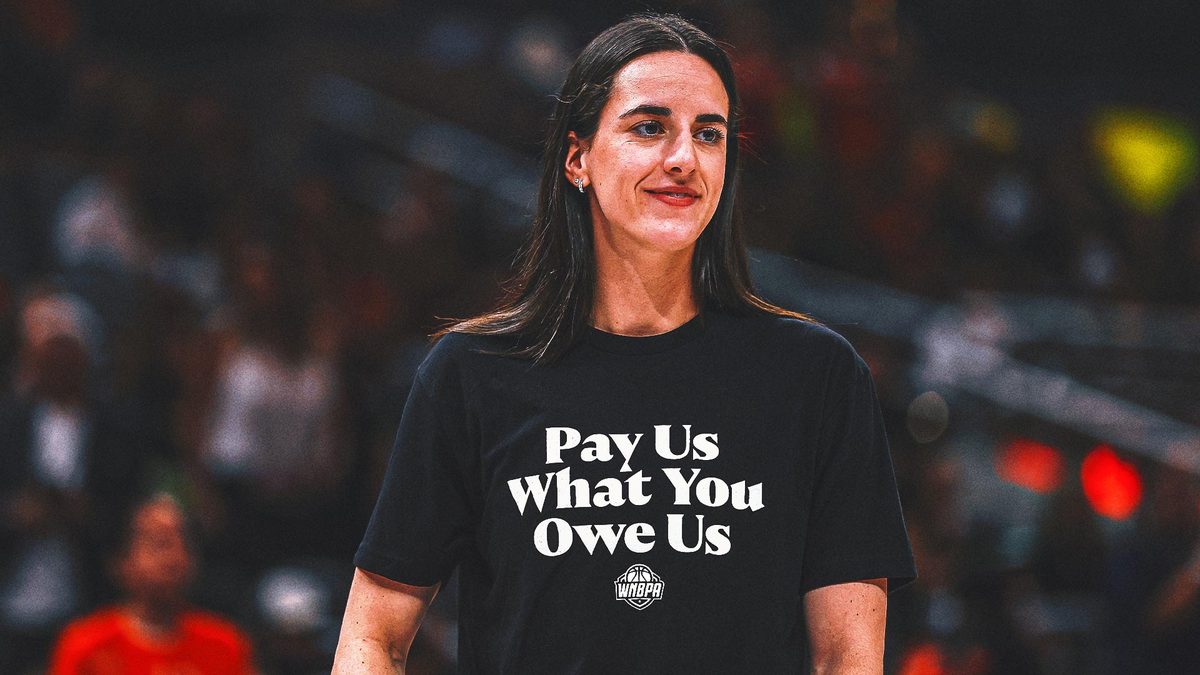
The WNBA All-Star Game, a celebrated event showcasing the league's top talent, took an unexpected turn this year as players donned t-shirts bearing the slogan "Pay Us What You Owe Us." This act was more than a fashion statement; it was a public declaration of frustration and a call for fair compensation amid ongoing Collective Bargaining Agreement (CBA) negotiations. The move drew widespread media attention and stirred conversations about labor rights and gender equity in professional sports.
Key Details
- During warm-ups before the All-Star Game, WNBA players wore t-shirts reading "Pay Us What You Owe Us."
- The slogan reflects frustration over stalled negotiations between the league and the players' union regarding the new Collective Bargaining Agreement.
- Key issues include salary increases, improved benefits, and revenue sharing.
- The current CBA is set to expire, putting pressure on both parties to reach an agreement.
- The league has seen significant growth in viewership and revenue, intensifying players' demands for a fair share.
Background
The WNBA has grown considerably since its inception in 1996, both in popularity and financial terms. Recent years have seen an increase in television ratings, sponsorship deals, and overall revenue. Despite this progress, players argue that their compensation has not kept pace with the league's growth, citing disparities compared to male counterparts in the NBA. The Collective Bargaining Agreement governs salaries, working conditions, and benefits; it is renegotiated every few years to reflect changes in the league's status and economic environment.
Currently, the WNBA players' union and league officials are negotiating terms for a new CBA. Central to the discussions are demands for increased minimum salaries, better health and maternity benefits, travel accommodations, and a more equitable revenue-sharing model. While the league has offered some concessions, many players feel these fall short of their expectations and the value they bring to the sport.
Analysis
The decision by players to wear "Pay Us What You Owe Us" shirts during such a high-profile event underscores the urgency and seriousness of the dispute. It signals a willingness to use their platform to draw public attention and pressure league management. This form of protest aligns with a broader movement among professional athletes advocating for labor rights, fair wages, and recognition beyond mere entertainment.
Moreover, this moment highlights ongoing issues of gender equity in sports compensation. Despite impressive achievements and growing fanbases, women's professional leagues often lag behind men's in pay and resources. The WNBA players' bold statement can be seen as part of a global push for equal treatment and respect in sports.
Negotiations for the new CBA will likely remain tense, given the financial constraints the league faces and the players' demands. However, the public nature of the protest may influence stakeholders to seek a timely and equitable resolution. Failure to do so risks alienating players and fans alike, potentially undermining the league's growth trajectory.
Conclusion
The WNBA All-Star Game protest was a pivotal moment that brought the spotlight back to pay equity and labor rights in women's professional basketball. As negotiations continue, both the league and players face mounting pressure to reach a fair agreement that reflects the value and contributions of the athletes. This development not only impacts the WNBA but also contributes to a broader dialogue on fairness and equality in sports worldwide.