UK Football Fans Divided Over Potential Return of Alcohol Sales in Stands
Introduction
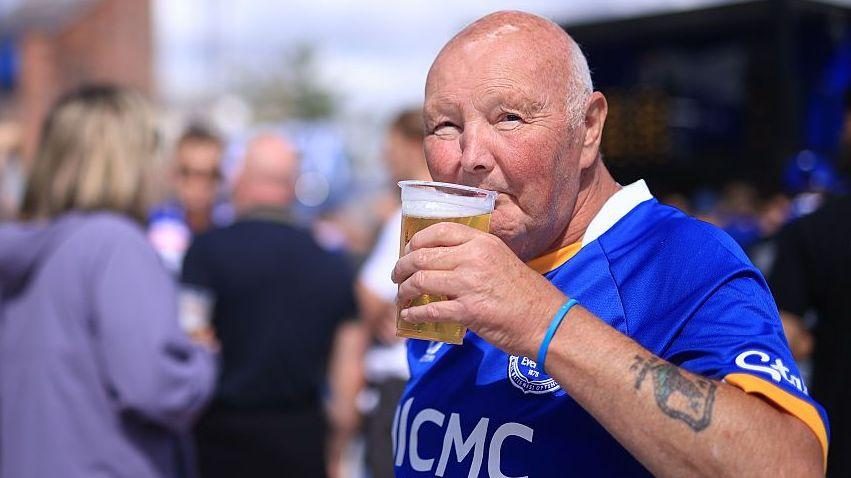
The long-standing ban on consuming alcohol in stadium seating areas during football matches in England and Wales, enacted in 1985, is facing renewed scrutiny. While alcohol can be purchased and consumed in concourses and external areas, the inability for fans to enjoy a drink at their seat during the 90 minutes of play is seen by some as an anachronism. This debate, reignited by figures like Andy Burnham, the Mayor of Greater Manchester, touches upon issues of fairness, fan experience, and crucially, safety and order within the sport.
Key Details
- The Sporting Events Control of Alcohol Act 1985 prohibits alcohol consumption in spectator areas with a view of the pitch in England and Wales for clubs from the Premier League down to the National League.
- Fans in lower leagues (National League North/South and below) and in Scotland have different regulations, with some allowances for consumption around the pitch.
- Pilot schemes in Scotland and the Women's Super League (WSL) have seen alcohol sales permitted in stands, with the WSL removing the ban entirely for its clubs.
- The English Football League (EFL) has expressed receptiveness to discussions about reviewing the legislation, citing outdated stadium management practices.
- The Football Supporters' Association (FSA) backs relaxing the law, viewing it as discriminatory and advocating for club-led decisions in consultation with supporters.
- Conversely, the UK Football Policing Unit argues alcohol contributes significantly to disorder and violence in football, a claim contested by the FSA, which points to the successful reintroduction of safe standing areas.
- Fan opinions are sharply divided, with some seeing it as a civilised enhancement to the matchday experience and others expressing strong concerns about potential increases in anti-social behaviour, such as beer throwing.
Background
The 1985 Act was a direct response to the escalating hooliganism that plagued English football throughout the 1970s and 1980s. The aim was to curb alcohol-related disorder and improve safety within stadiums. For decades, this legislation has shaped the fan experience, creating a clear delineation between drinking areas and the stands. However, as societal attitudes and stadium management have evolved, so too has the perception of this ban. The success of pilot schemes in other sports and in different countries, alongside the specific relaxation of rules in Scotland and the WSL, has provided a catalyst for re-evaluating the status quo in English men's football.
Impact Analysis
The potential impact of lifting the ban is multifaceted. Proponents, like the FSA, argue it would enhance the fan experience, aligning football with other major events and sports where alcohol consumption in seating areas is permitted. They suggest it could foster a more relaxed and inclusive atmosphere, and for lower-league clubs, it could represent a vital new revenue stream. Furthermore, the FSA contends that the ban unfairly singles out football fans, who are often treated with less trust than supporters of other sports.
However, the concerns raised by law enforcement and a segment of the fanbase are significant. The UK Football Policing Unit's assertion that alcohol is a key driver of disorder cannot be easily dismissed, given football's historical struggles. Fears of increased mess, potential for projectiles, and a general decline in civility are valid. The visual evidence from areas like Boxpark, where celebrations can lead to beer being thrown, is often cited as a cautionary tale. The argument that fans should be able to abstain for the duration of a match also holds weight for those who prioritize a clean and orderly environment.
“I do believe there is a case to remove that discrimination,” said Andy Burnham, highlighting the perceived unfairness towards football supporters compared to fans of other sports and events.
Broader Context
The debate in England mirrors discussions happening internationally. In Germany's Bundesliga and Italy's Serie A, alcohol consumption at seats is generally permitted, albeit with ABV limits in Italy and suspensions for high-risk matches. Spain enforces a stricter regime, similar to the original UK model, though alcohol can be taken to seats. France's Evin Law, introduced in 1991, largely restricts sales to hospitality areas. The comparison with these different approaches underscores that there is no single, universally accepted model for managing alcohol at sporting events. It also highlights that football is often singled out, despite other sports experiencing their own challenges with crowd behaviour.
Future Outlook
The path forward remains uncertain. While the EFL has indicated a willingness to engage in dialogue, the government has previously rejected calls for formal consultation. The success of the WSL trials and the ongoing extension of relaxed rules in Scotland provide valuable data points, but the deeply ingrained cultural and safety considerations in English men's football present a formidable hurdle. Any potential change would likely require extensive consultation, robust safety protocols, and possibly phased implementation, perhaps starting with designated zones or specific clubs. The ultimate decision will hinge on balancing the desire for an improved fan experience and potential revenue with the paramount need to maintain safety and prevent disorder.
Conclusion
The question of whether to allow alcohol in football stands is far from settled. It pits the desire for a more modern, equitable fan experience against legitimate concerns over safety and behaviour. While pilot schemes offer glimpses of what could be, the deep-seated historical context and the passionate, often conflicting, views of stakeholders mean that a swift resolution is unlikely. The ongoing dialogue, however, is crucial for shaping the future of match-going in England, potentially leading to a carefully managed evolution rather than a wholesale revolution.
Source: sports.yahoo.com