Trump’s Bid for Justice: A Pardon for Pete Rose and Its Implications for Sports Integrity
Trump’s Bid for Justice: A Pardon for Pete Rose and Its Implications for Sports Integrity
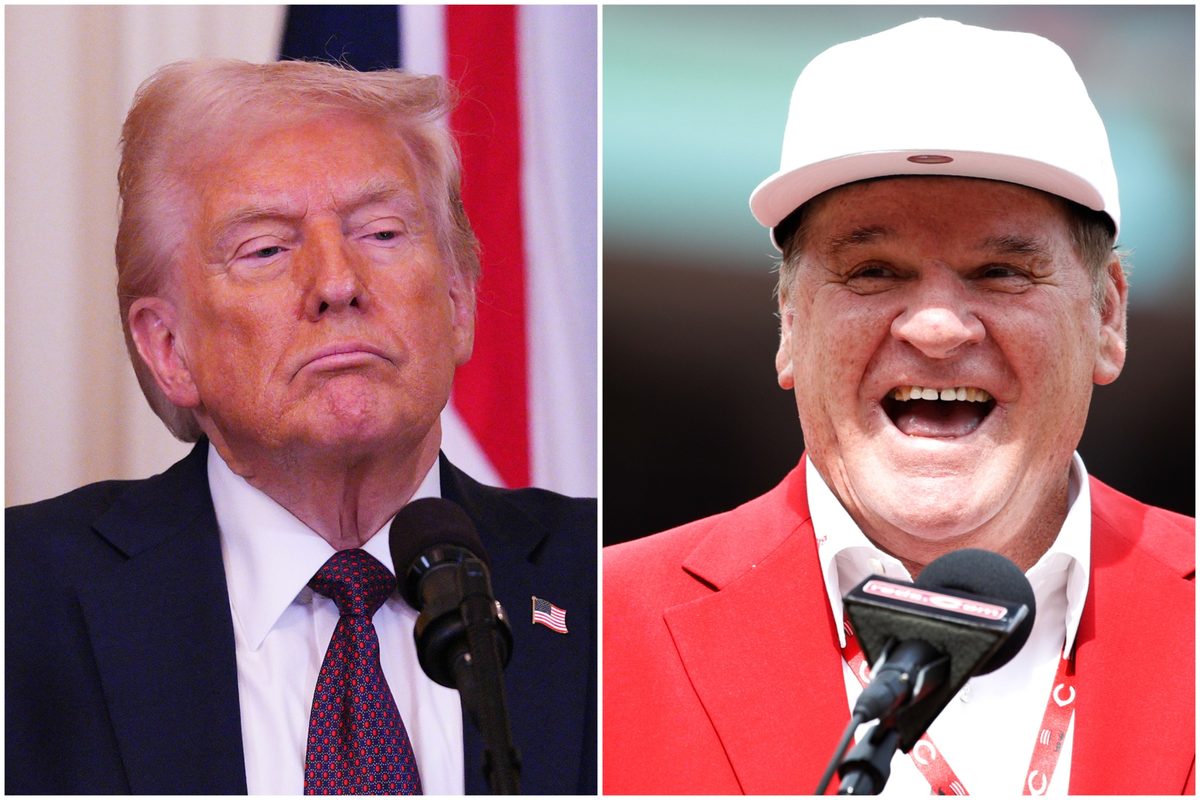
In a surprising turn of events, President Donald Trump has expressed his desire to issue a full pardon for Pete Rose, the former baseball star whose career was marred by a lifetime ban from Major League Baseball (MLB) due to his gambling activities. This announcement highlights not only Trump’s intentions to vindicate a sports icon but also raises significant questions about the ethics of sports governance and the potential for redemption in athletics.
Key Details
- Trump's comments came late Friday, emphasizing his commitment to exonerate Rose.
- Rose was banned from MLB in 1989, limiting his eligibility for the Hall of Fame.
- The pardon process could open discussions on the future of player accountability in sports.
Background
Pete Rose, a celebrated figure in baseball history, is known for his impressive achievements on the field, including being the all-time hits leader. However, his legacy was tarnished when he was found to have bet on baseball games while managing the Cincinnati Reds. The severity of his punishment led to a lifetime exclusion from the sport and barred him from Hall of Fame induction, stirring controversy regarding his contributions to the game.
Impact Analysis
The implications of Trump’s proposed pardon extend far beyond Rose himself. It could initiate a broader dialogue surrounding the treatment of athletes who have committed offenses outside their professional performance. Advocates for Rose argue that his actions, while wrong, should not overshadow his contributions to the sport, suggesting that the current punitive measures are excessively harsh.
This move could pave the way for a reassessment of policies regarding player conduct and the subsequent penalties imposed by leagues. The issue of gambling in sports is particularly pertinent today, as more states across the U.S. legalize sports betting, raising questions about consistency in enforcement and the evolving nature of what it means to uphold integrity in sports.
Broader Context
Trump's initiative is also emblematic of a larger trend in American society where issues of redemption and forgiveness are being reconsidered. In a world increasingly focused on second chances and rehabilitation, the sports arena remains a critical battleground for these discussions. The potential pardon for Rose could signify a shift toward a more lenient and understanding approach to past transgressions, especially in high-profile cases.
Future Outlook
As the conversation surrounding Rose and Trump's pardon continues, it will be essential to monitor reactions from both the public and sports governance bodies. If the pardon is granted, it might set a precedent that could influence how other athletes facing similar situations are treated, potentially leading to policy changes that prioritize rehabilitation over lifetime bans.
Furthermore, this discussion might provoke a reevaluation of the MLB’s own regulatory framework concerning gambling and player conduct, particularly as the landscape of sports continues to evolve with new technologies and changing societal norms.
Conclusion
President Trump's intentions to pardon Pete Rose represent a significant moment in the intersection of sports, ethics, and governance. While the outcome remains uncertain, the discussions prompted by this proposal could reshape the narrative around accountability and redemption within athletics, challenging longstanding perceptions of punishment and potentially redefining the future of player regulation in major sports.
Source: variety.com