SpaceX’s Starship Explosions Highlight a Rapid but Risky Rocket Development Approach
Introduction
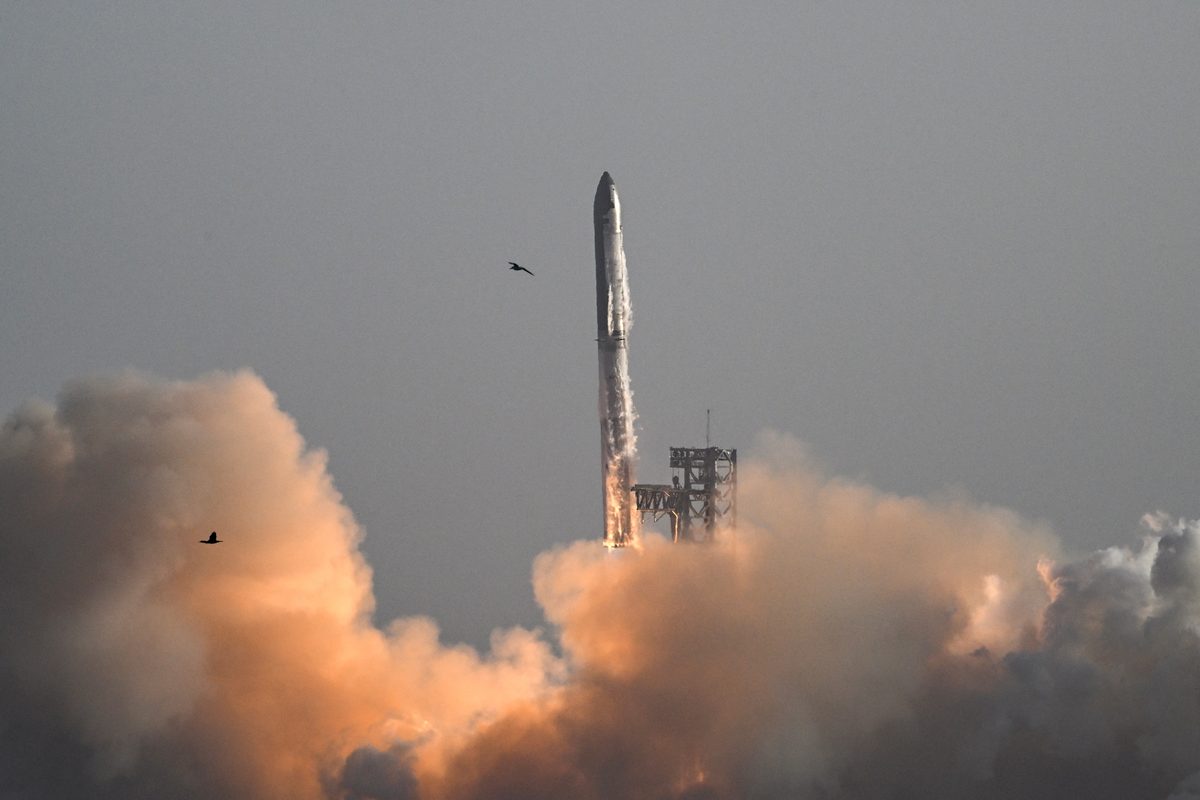
SpaceX’s ambitious Starship program, aimed at creating the world’s most powerful fully reusable rocket, continues to experience high-profile test failures, including another explosion during its ninth flight test in early March 2025. This sequence of setbacks has raised questions about whether these repeated explosions signal deeper problems or are simply an expected part of rocket development. Industry experts emphasize that while failures might look alarming to the public, they are not unusual in the context of developing cutting-edge aerospace technology.
Key Details
- SpaceX’s Starship rocket exploded again during its ninth flight test on March 6, 2025.
- Space policy expert Wendy Whitman Cobb explains that such frequent failures are common in early rocket development stages.
- Traditional space agencies like NASA and companies such as United Launch Alliance (ULA) follow a more cautious, slow testing approach, minimizing early-stage failures.
- SpaceX’s accelerated testing strategy allows for rapid iteration, sacrificing early success for faster innovation.
- The Space Launch System (SLS), NASA’s heavy-lift rocket, has been in development for over a decade with very deliberate testing phases.
Background
Historically, rocket development has been a painstaking and incremental process. Government agencies and aerospace contractors have relied on extensive simulations, ground tests, and gradual flight tests spaced over many years or even decades. The goal was to minimize failures during flight, as each test is costly and carries reputational risk. For example, NASA’s Space Launch System (SLS), intended to carry astronauts back to the Moon, has seen prolonged development with multiple delays but relatively few dramatic in-flight failures during testing.
In contrast, SpaceX has embraced a decidedly different philosophy. Founded by Elon Musk with the vision of making spaceflight more accessible and affordable, SpaceX’s approach involves rapid prototyping and testing. This means building successive iterations of rockets quickly, flying them, learning from failures, and immediately applying those lessons to the next version. This process greatly accelerates development timelines but also results in more frequent and visible failures.
Impact Analysis
SpaceX’s rapid-fire testing strategy has both advantages and drawbacks. On one hand, the high rate of testing cycles enables the company to innovate quickly and reduce the cost per launch by identifying and fixing design flaws early. This method has allowed SpaceX to revolutionize the space launch industry, successfully developing reusable rockets like the Falcon 9 much faster than traditional aerospace firms.
On the other hand, the repeated explosions of Starship tests generate public concern and skepticism about the technology’s reliability and safety. Each high-profile failure risks undermining investor confidence and public trust, especially when the goal is to eventually carry humans on interplanetary missions. Additionally, the environmental and logistical costs of frequent destructive tests pose challenges that must be managed carefully.
“The reason a lot of people perceive this to be unusual is that this is not the typical way that we have historically tested rockets,” explains Wendy Whitman Cobb, a space policy expert at the School of Advanced Air and Space Studies. This highlights the cultural and strategic shift SpaceX represents in aerospace development.
Broader Context
SpaceX is not alone in facing technical failures during rocket development, but its openness and speed set it apart. Traditionally, failures have often been concealed or minimized in the public eye, while SpaceX embraces transparency, broadcasting tests live and openly acknowledging problems. This transparency reflects Elon Musk’s broader business philosophy of iterative improvement through rapid testing.
The space industry is also evolving amid growing commercial competition and new geopolitical dynamics. Companies must balance innovation speed with reliability and safety to meet increasing demand for satellite launches, space tourism, and eventual crewed missions to Mars. SpaceX’s approach challenges the legacy aerospace industry to reconsider development norms in a rapidly changing market.
Future Outlook
While Starship’s repeated test failures might seem discouraging, experts caution against reading them as signs of overall failure. Rather, they are part of a high-risk, high-reward development process that could ultimately lead to breakthroughs in rocket technology. If SpaceX continues to learn and improve at its current pace, the Starship may become a game-changing vehicle enabling large-scale space exploration and colonization.
However, sustained success will require SpaceX to manage risks, improve safety, and demonstrate reliability to regulators, investors, and the public. The coming years will be critical in proving whether the company’s unique approach can achieve its bold ambitions.
Conclusion
Repeated explosions of SpaceX’s Starship rocket highlight the tension between rapid innovation and safety in aerospace development. While such failures might raise eyebrows, they are consistent with a pioneering strategy emphasizing speed and learning over cautious progress. As SpaceX continues to push the boundaries of what’s possible in rocketry, the world watches closely to see if this bold approach will ultimately pay off, transforming space travel in the decades ahead.