Scottie Scheffler’s Double-Bogey Offers Opening as The Open Enters Decisive Moments
Introduction
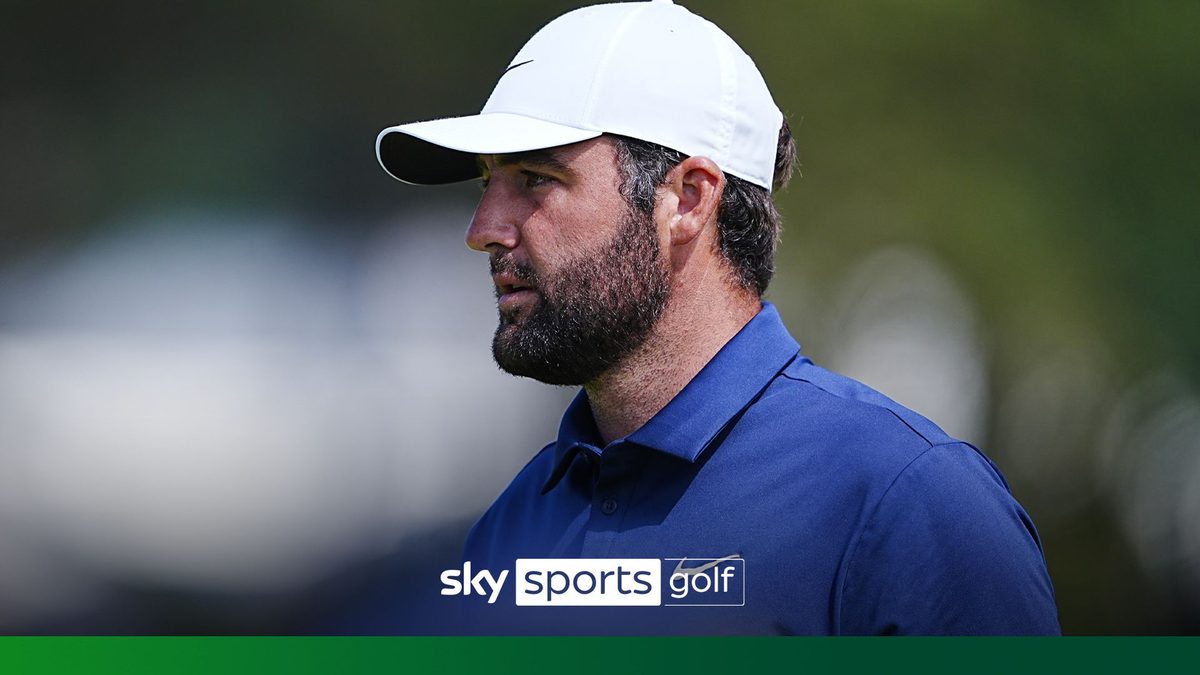
Scottie Scheffler, currently one of the leading figures in world golf, experienced a rare setback during the fourth round of The Open Championship. Known for his remarkable consistency and composure under pressure, Scheffler’s double-bogey on a critical hole momentarily disrupted his pursuit of the coveted Claret Jug, injecting renewed hope into the chasing pack. This moment serves as a reminder that even the most formidable athletes are susceptible to errors in high-stakes situations.
Key Details
- Event: The Open Championship, one of golf’s four majors.
- Round: Fourth (final) round, often decisive in determining the champion.
- Player: Scottie Scheffler, current world number one and tournament leader before the error.
- Incident: Double-bogey committed on a pivotal hole, costing him valuable strokes.
- Impact: The misstep narrowed his lead, giving competitors a chance to close the gap.
Background
The Open Championship, often referred to simply as The Open or the British Open, is the oldest major in professional golf, dating back to 1860. Played on links courses in the United Kingdom, it’s renowned for challenging conditions including unpredictable weather and often difficult course setups. Leading this tournament is a test of not only skill but mental resilience.
Scottie Scheffler has been a dominant force on the PGA Tour in recent years, rising to the world number one spot through a combination of steady ball-striking, putting prowess, and tactical acumen. Entering The Open as a favorite, Scheffler had demonstrated control and poise through the initial rounds of the championship.
Analysis
Scheffler’s double-bogey is significant because it disrupts what had been a near-flawless performance. Double-bogeys are costly mistakes especially at this stage of a major championship, where every stroke can determine the difference between victory and defeat. The error likely stemmed from a combination of pressure and challenging course conditions, possibly aggravated by the wind and tricky greens typical of links golf.
For the trailing competitors, this moment represents a crucial opening. Golf tournaments at this level often swing on a few key holes, and the psychological impact of seeing a leader falter can energize challengers. Players who have been patiently biding their time may now adopt a more aggressive strategy to capitalize on Scheffler’s slip.
Moreover, this incident highlights the human aspect of professional sports. Despite his status and skill, Scheffler’s double-bogey underscores that no player is immune to mistakes under pressure. It adds to the narrative tension of The Open, where unpredictability is a hallmark and champions are often those who can best manage adversity.
Conclusion
Scottie Scheffler’s double-bogey in the final round of The Open injects a new layer of excitement into one of golf’s most prestigious tournaments. While it dents his lead, it also showcases the intense competitiveness of the field and the fine margins that define major championships. As the tournament approaches its final holes, spectators can anticipate a gripping finish where resilience, skill, and nerves will all be tested to the limit.
For Scheffler, the challenge will be to maintain focus and composure, demonstrating why he is currently the world’s best golfer. For his rivals, the moment offers a renewed opportunity to pursue one of golf’s greatest prizes.