Remembering Eileen Fulton: A Trailblazer of Daytime Television Passes at 91
Introduction
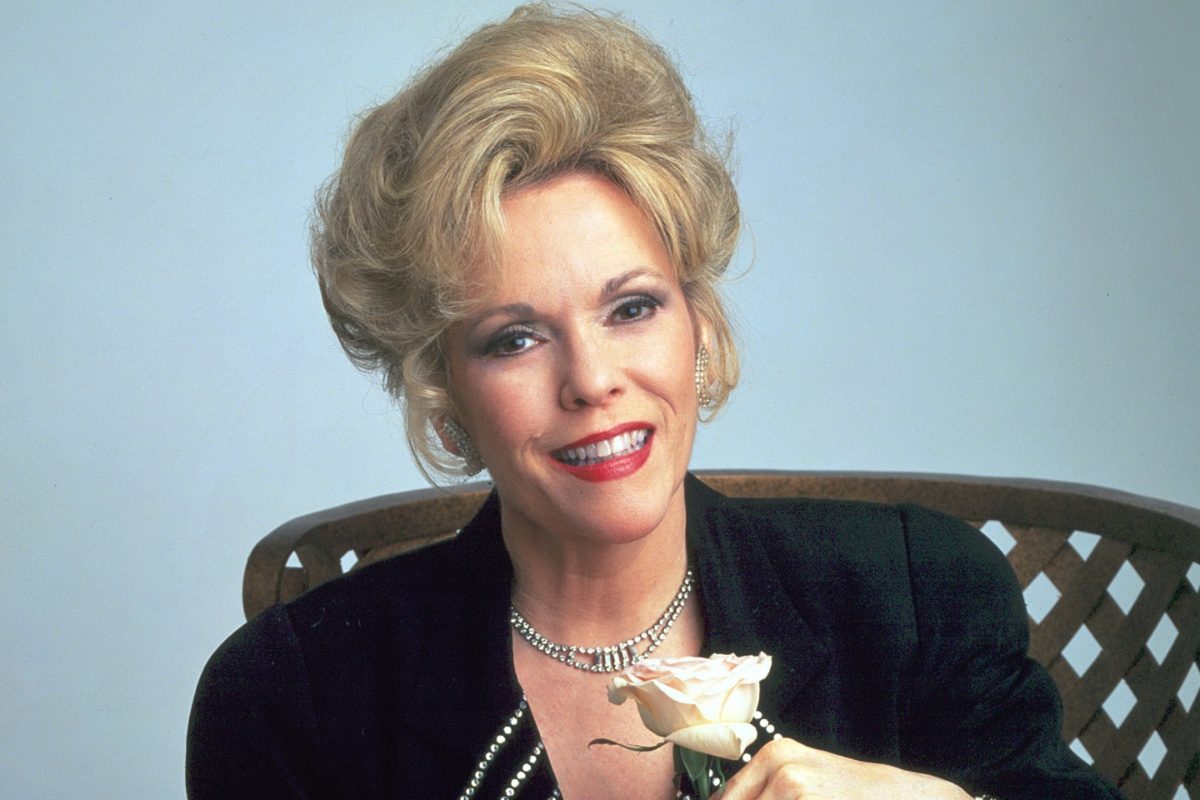
Eileen Fulton, a legendary figure in American daytime television, passed away on Monday at the age of 91 in Asheville, North Carolina. Fulton was best known for her portrayal of Lisa Miller on the CBS soap opera As the World Turns, a role she inhabited for more than five decades. Her death marks the end of an era for fans of the beloved series and for the world of soap operas where she carved out a lasting legacy.
Key Details
- Eileen Fulton died in Asheville, North Carolina, after a period of declining health.
- She was 91 years old.
- Fulton’s most famous role was Lisa Miller on As the World Turns, which she played from 1960 until the show ended in 2010.
- She was a pioneering figure, noted for introducing the “bad girl” persona in daytime dramas.
- Her death was officially announced via an obituary released through her funeral home.
Background
Born on September 13, 1933, Eileen Fulton began her career on Broadway and then transitioned to television, where she found enduring fame. As the World Turns, which debuted in 1956, became one of the most watched daytime serials in American television history, and Fulton’s Lisa Miller was a central character for much of the show’s run. Known for her vibrant portrayal of a complex and often scheming character, Fulton helped redefine the role of women in soaps, moving beyond one-dimensional portrayals to more nuanced, multi-layered personalities.
Fulton's ability to navigate the evolving landscape of daytime television earned her respect among peers and audiences alike. Her character’s intricate relationships, moral ambiguities, and dramatic storylines helped sustain the show’s popularity for decades. Beyond acting, Fulton was involved in writing and producing, demonstrating a deep commitment to the craft and industry.
Analysis
Fulton's work came at a time when television was becoming an essential part of American daily life, especially for daytime audiences. Soap operas served as a cultural touchstone, often reflecting and shaping social attitudes. By pioneering the 'bad girl' archetype with Lisa Miller—a character who was flawed, ambitious, and unapologetically complex—Fulton challenged the era’s conventional depictions of women on television.
This shift resonated with viewers, particularly women, who saw in Lisa Miller a reflection of real human complexity. Fulton's portrayal encouraged more diverse and dynamic female characters in soap operas and contributed to the genre's longevity. Her longevity in the role also provided continuity in the rapidly changing television landscape, becoming a familiar and comforting presence for millions.
Her impact extends beyond entertainment. The soap opera genre has often served as a mirror to contemporary social issues, and characters like Lisa Miller opened up conversations about morality, redemption, and the nature of human relationships. Fulton’s work thus holds a place not only in television history but also in cultural studies as an early example of challenging societal norms through popular media.
Conclusion
Eileen Fulton’s passing is a significant loss to the entertainment industry and especially to fans of daytime television. Her contributions to the soap opera genre helped elevate it from mere entertainment to a platform for storytelling that engaged with social complexity and human psychology. As television continues to evolve, the pioneering work of figures like Fulton reminds us of the medium's power to shape culture and society.
Fulton's legacy lives on through the indelible mark she left on As the World Turns and the broader soap opera landscape. Her portrayal of Lisa Miller remains a benchmark for character depth and narrative innovation in daytime drama, inspiring generations of actors and writers. Tributes from fans and colleagues alike celebrate her as a trailblazer whose life and career enriched the fabric of American television.