Paramount-Warner Merger Clears Final Hurdle as Judge Approves Settlement, Valued at $111 Billion
Introduction
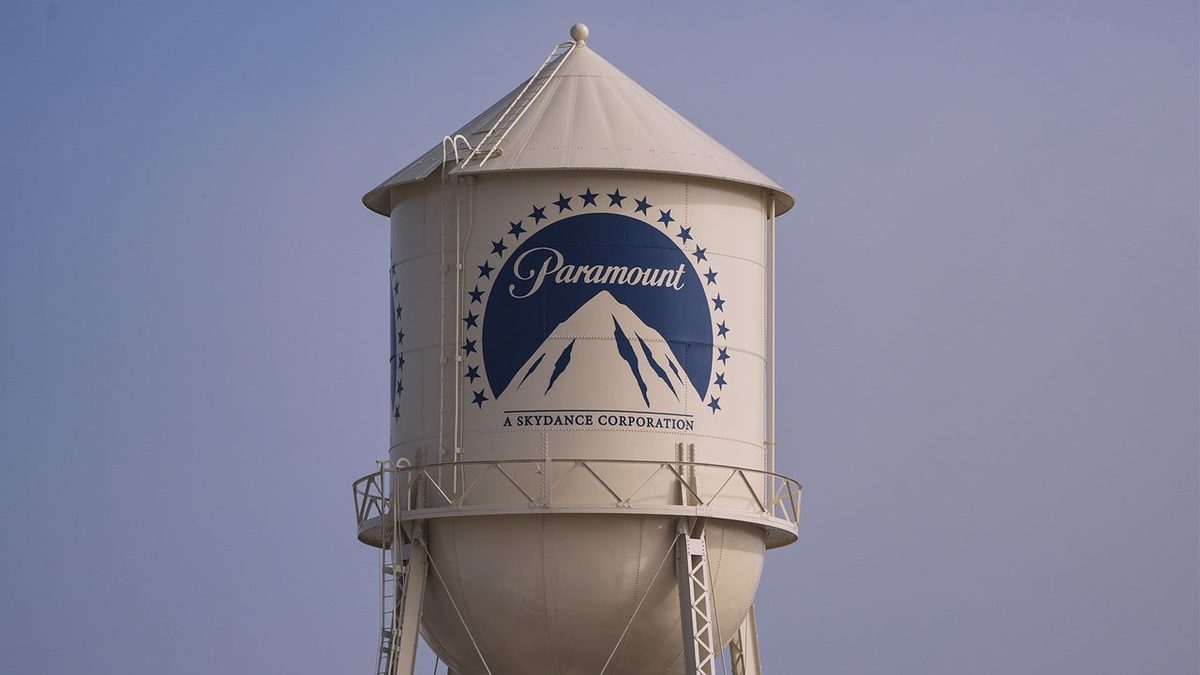
In a significant development for the entertainment landscape, a federal judge has granted approval to a settlement agreement between Paramount Global and twelve U.S. states. This decision effectively removes the last major antitrust hurdle, paving the way for the highly anticipated, albeit controversial, $111 billion merger of Paramount with Warner Bros. Discovery. The ruling by U.S. District Judge Araceli Martínez-Olguín on Wednesday deemed the proposed consent decree a “fair, reasonable, and good faith approach to address the competitive harms” alleged in the states’ lawsuit. This approval signals the imminent closure of a deal that has been closely watched by industry insiders and consumer advocates alike, with the companies now targeting October 6th for its completion.
Key Details
- Merger Value: The combined entity of Paramount and Warner Bros. Discovery is valued at approximately $111 billion, including debt.
- Deal Closure: The merger is expected to be finalized on October 6th, following the judge's approval of the settlement.
- Leadership Change: Ynon Kreiz, current CEO of Mattel, will join Paramount as co-CEO alongside David Ellison, who will continue in his role.
- Antitrust Settlement: Paramount agreed to several commitments with 12 states, including increased U.S. film production ($1.5 billion over five years), support for displaced workers ($47.5 million over five years), and new editorial monitoring for CNN and CBS.
- Penalties for Non-compliance: Failure to meet film output targets could result in divestment from Miramax Studios and a $30 million penalty per missed film.
- Editorial Oversight: A five-member “News Editorial Independence Board” will be established to monitor CBS and CNN, though Colorado and Washington declined to sign off on these specific terms.
Background
The path to this merger has been fraught with regulatory scrutiny. While Paramount had secured clearances from various international regulators and the U.S. Justice Department, a coalition of twelve states, led by California Attorney General Rob Bonta, filed a lawsuit in July to block the deal. Their primary concern was that the consolidation would “extinguish competition” in Hollywood, leading to reduced choices for consumers, particularly in movie theaters and for cable subscribers. This legal challenge represented the final significant obstacle for Paramount, which had been acquired by Skydance just last year, following its own complex negotiations.
Impact Analysis
The consolidation of Paramount and Warner Bros. Discovery will bring together two of Hollywood’s last remaining legacy studios under one corporate umbrella. This includes iconic brands and content libraries such as HBO Max, “Harry Potter,” CNN, CBS, the “Top Gun” franchise, and the Paramount+ streaming service. Critics argue that this further concentrates power within an industry already dominated by a few major players. The settlement’s terms, particularly the behavioral commitments rather than structural remedies like divestitures, have drawn sharp criticism. Groups like the “Block the Merger” coalition have labeled the deal “toothless,” expressing concern that it prioritizes corporate interests over consumer welfare and could set a precedent for future media consolidation.
“In years to come, we’ll be able to point to this failure to put consumers over the monied interests of corporate consolidation as the tipping-point moment for media in this country,” stated the Block the Merger coalition.
Broader Context
This merger occurs at a critical juncture for the media industry, characterized by rapid technological shifts, evolving consumer habits, and intense competition in the streaming wars. The consolidation aims to create a more formidable entity capable of competing with giants like Disney, Netflix, and Amazon. However, the concentration of power raises significant questions about diversity of voices, creative freedom, and the future of independent content creation. The settlement’s focus on behavioral promises, many of which last only five years, suggests a pragmatic approach to an industry in flux, though it leaves many critics unsatisfied with the long-term implications for competition and consumer choice.
Future Outlook
With the merger expected to close imminently, the focus will shift to the integration of these two massive media conglomerates. The appointment of Ynon Kreiz as co-CEO alongside David Ellison signals a strategic direction emphasizing a “creator-first, tech-forward and built to scale globally” business model. The success of this new entity will depend on its ability to leverage its combined assets, navigate the competitive streaming market, and potentially address lingering concerns about market concentration. The effectiveness of the newly established editorial board and the company’s adherence to its production and distribution commitments will be key indicators of its future trajectory and its impact on the broader media ecosystem.
Conclusion
The approval of the settlement by Judge Martínez-Olguín marks a pivotal moment, allowing the $111 billion Paramount-Warner Bros. Discovery merger to proceed. While this resolves the immediate antitrust challenge, the deal’s long-term implications for industry competition, creative output, and consumer choice remain subjects of ongoing debate. The coming months will be crucial as the newly combined company, under new leadership, begins to shape its strategy and operations within a rapidly evolving media landscape.
Source: fastcompany.com