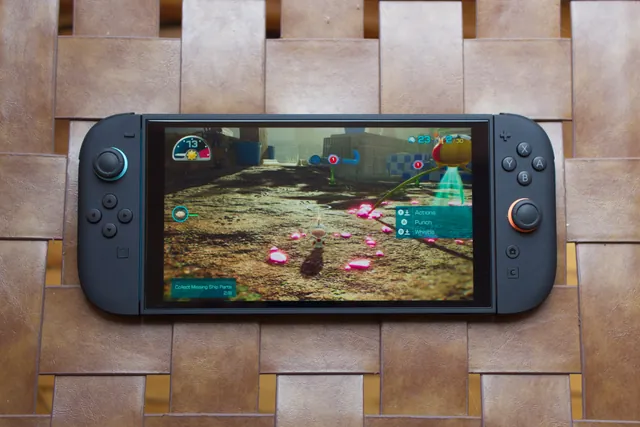
Nintendo Switch 2’s Emerging Killer App Signals a New Era in Gaming Innovation
Introduction
The gaming industry constantly evolves, driven by technological advancements and consumer demand for immersive experiences. The imminent release of the Nintendo Switch 2 has generated significant excitement among gamers and analysts alike. While hardware improvements often dominate headlines, it is the emergence of a "killer app"—a game or software that defines a platform’s success—that often seals the fate of new consoles.
Recently, news and observations suggest that the Nintendo Switch 2’s next killer app is already present, setting the stage for a potential leap in interactive entertainment. This signals not just an incremental upgrade from its predecessor but a transformative shift in how games are developed, distributed, and experienced.
Key Details
- The current Switch generation has sold over 120 million units worldwide, establishing a massive, loyal user base eager for new content.
- Reports highlight a new application or game leveraging advanced AI technologies that enhances gameplay, personalization, and social interaction.
- This killer app utilizes seamless integration with cloud services and novel user interfaces, potentially including voice commands and adaptive difficulty.
- Developers are focusing on accessibility and cross-platform experiences, expanding the Switch 2’s ecosystem beyond traditional gaming.
- Industry experts note significant investments from Nintendo and partners into game development studios to foster innovation around this app.
Background
The original Nintendo Switch, launched in 2017, revolutionized the hybrid console market by allowing users to switch between handheld and docked modes. Its success was driven by a strong library of exclusive titles, versatile hardware, and a user-friendly interface. However, as competitors introduce consoles with higher processing power and cutting-edge graphics, Nintendo’s ability to maintain market dominance relies heavily on unique software experiences.
Historically, Nintendo’s killer apps—such as "The Legend of Zelda: Breath of the Wild" and "Animal Crossing: New Horizons"—have driven sales and platform loyalty. With the Switch 2, the company seems to be leveraging emerging technologies like artificial intelligence and cloud gaming to create dynamic, adaptive games that respond to players’ behavior in unprecedented ways.
Impact Analysis
The emergence of a killer app at or near the Switch 2’s launch could be a game-changer for Nintendo. By integrating AI-driven personalization, the app potentially enhances user engagement, increasing playtime and satisfaction. This could translate into higher software and hardware sales, as well as expanded opportunities for downloadable content and subscriptions.
Furthermore, the integration of cloud services means that the Switch 2 may overcome some hardware limitations, offering richer experiences akin to those on more powerful consoles or PCs. This could narrow the gap with competitors and attract a broader demographic, including casual gamers who value convenience and accessibility.
From a developer standpoint, AI tools embedded in the app could streamline game creation, enabling smaller studios to produce high-quality content with less resource investment. This democratization of game development could diversify the Switch 2’s library and foster a more vibrant creative ecosystem.
Broader Context
This development aligns with broader trends in the gaming industry, including the rise of AI-driven gaming experiences, cloud gaming platforms, and cross-device interoperability. Companies like Microsoft with Xbox Cloud Gaming, Sony with PlayStation Now, and Google Stadia have emphasized streaming and AI, signaling a paradigm shift.
Nintendo’s strategy with the Switch 2 reflects a recognition that future success depends on combining hardware innovation with software that adapts to and anticipates user needs. The involvement of AI not only enhances gameplay but also offers new ways to interact socially within games, potentially integrating chatbots, virtual assistants, or dynamic storytelling.
Future Outlook
Looking ahead, the potential success of the Switch 2’s killer app could redefine expectations for handheld and hybrid consoles. We may see increased emphasis on personalized gaming journeys, procedural content generation, and AI-driven moderation tools to enhance online safety.
Potential challenges include ensuring user privacy, managing the complexity of AI systems, and balancing innovation with accessibility. However, if Nintendo navigates these issues effectively, it could strengthen its position as a market leader in both hardware and software innovation.
Conclusion
The Nintendo Switch 2’s next killer app is more than just a new game; it embodies a technological and cultural shift in gaming. By leveraging AI and cloud integration, Nintendo is preparing to offer players a next-generation experience that could reshape the industry landscape. As this development unfolds, gamers and developers alike should watch closely—this could be the beginning of a new era in interactive entertainment.
“The integration of AI-driven adaptive gameplay on the Nintendo Switch 2 represents a significant milestone, potentially redefining player engagement and game development.” — Industry Analyst