NFL Circles Stirred as Court Rulings Allow Players Back to College Football
Introduction
A peculiar situation is unfolding in the world of American football, blurring the lines between professional and collegiate play. Recent court rulings have opened a potential pathway for players who have already signed with NFL teams to return to college football. This development has sent ripples of confusion and concern through NFL circles, prompting questions about player eligibility, development, and the very structure of collegiate sports.
Key Details
- Former Ole Miss tight end Dae'Quan Wright was poised to be the first player rostered by an NFL team (Cleveland Browns) to then play college football again after his release.
- Wright and several other college athletes were granted a temporary restraining order allowing them to play college football in 2026, following a lawsuit against the NCAA for an extra year of eligibility.
- The SEC announced it would not prevent players from returning to college, despite opposing the court rulings, while the Big Ten explicitly banned such returns.
- The situation is complicated by court rulings in Colorado and Louisiana that appear to permit players who entered college in 2022 to seek a fifth year of eligibility, even after signing NFL contracts.
- Players can potentially regain eligibility by terminating their pro contracts and repaying earnings, though this loophole is expected to close for future draft classes.
Background
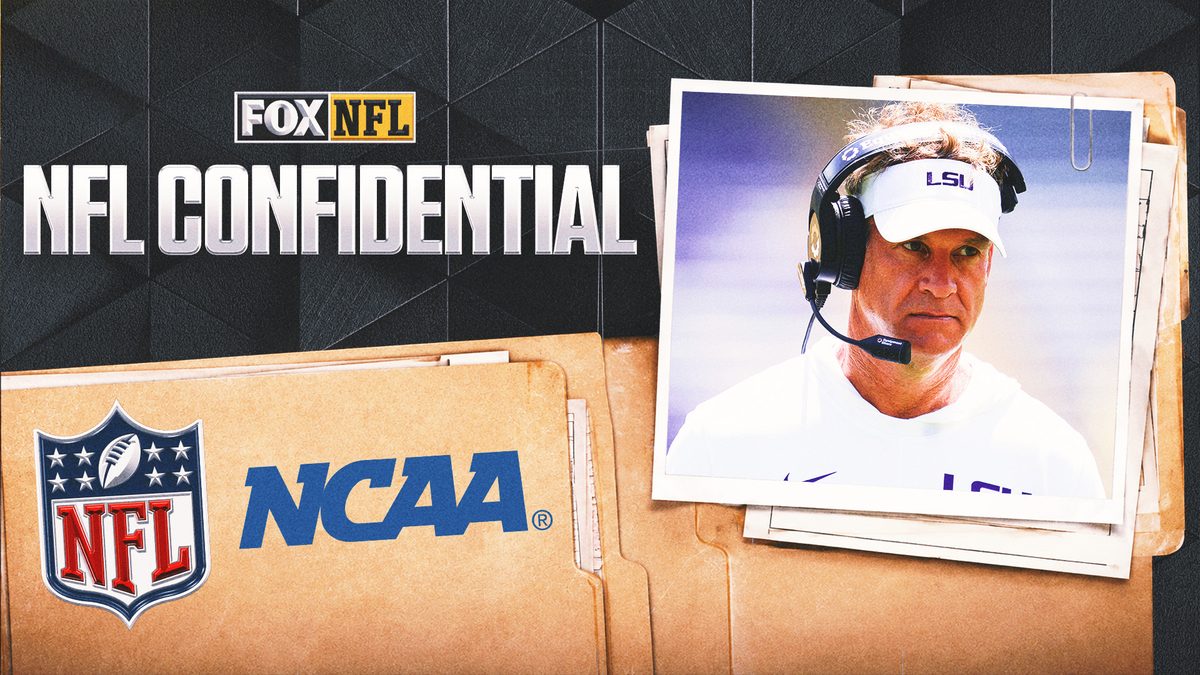
The controversy stems from a confluence of legal challenges and evolving NCAA eligibility rules. A group of 16 former college football players sued the NCAA, seeking an additional year of eligibility. They were granted a temporary restraining order, which effectively allows them to play college football in 2026. This legal reprieve has empowered college coaches, such as Lane Kiffin of LSU, to explore adding players who have already signed with NFL teams. The case of Dae'Quan Wright, who was released by the Browns and was set to join LSU, brought this issue to the forefront. However, the landscape is fragmented, with conferences taking different stances. The Big Ten has opted to ban players from returning after signing NFL contracts, while the SEC, though opposing the court rulings, has decided not to impede such returns. This divergence highlights the ongoing struggle to adapt to new legal and regulatory realities.
“It feels like they’re the Wild Wild West and the rules are changing every day.”
Impact Analysis
Within the NFL, the reaction is mixed, leaning towards apprehension. Many in the league view this as a sign of the NCAA’s disarray. An NFL scout expressed frustration, stating, “They really have to get their s--- together.” The scout elaborated on the potential disruption to player development, noting the significant investment NFL teams make in players who could then return to college. “We’ll spend 3-4 months investing in their growth, developing them as a player, only to watch them go back to LSU?” This sentiment is echoed by an NFL executive who described the situation as “bad” and potentially “the beginning of a really big mess.” The concern is that talented players who might otherwise fill out practice squads or contribute later in the draft could opt for another year of college, potentially diminishing the talent pool available in the later rounds. The rise of Name, Image, and Likeness (NIL) deals had already been criticized for keeping marginal players in school; this new development adds another layer of complexity.
Broader Context
This situation is occurring against a backdrop of significant changes in college athletics, particularly the proliferation of NIL deals and the transfer portal. These factors have already altered the traditional dynamics of college football, leading to increased player movement and a blurring of lines between amateur and professional aspirations. The current legal challenges represent a new frontier in this evolving landscape. The NCAA, struggling to maintain consistent rules and oversight, finds itself increasingly subject to judicial intervention. The differing conference responses underscore the decentralized nature of college sports governance and the challenges in establishing a unified approach to complex issues. The NFL, accustomed to a more structured draft and player development pipeline, is now grappling with an unpredictable element that could impact its talent acquisition and evaluation processes.
Future Outlook
While some, like an NFL agent, view this as a “one-off” situation affecting only a small group of players under specific circumstances, the long-term implications remain uncertain. The agent argued that future players, aware of the new rules, would make their decisions based on the “5/5 rule” and would not expect to regain eligibility after turning pro. However, the possibility of further legal challenges or evolving interpretations of eligibility rules cannot be discounted. The NFL will need to develop a clear strategy for evaluating these players. One suggestion from a longtime NFL scout is to treat such players as “street free agents” if they are re-entering the professional ranks, acknowledging their additional development time in college as akin to playing in leagues like the UFL or CFL. The league must decide how to handle draft eligibility and contract negotiations for players who have taken such an unconventional route.
Conclusion
The return of NFL-contracted players to college football, facilitated by recent court rulings, presents a novel and complex challenge. It exposes the current fluidity and instability within NCAA regulations and governance. While the immediate impact might be limited to a specific cohort of players, the precedent set could have lasting effects on player development, draft evaluation, and the fundamental relationship between college and professional football. The NFL and the NCAA face the task of navigating this evolving landscape, seeking clarity and consistency amidst legal and regulatory uncertainty.
Source: foxsports.com