LIV Golf Faces Uncertain Future as Saudi Funding Falters, Investor Eyes Relaunch
Introduction
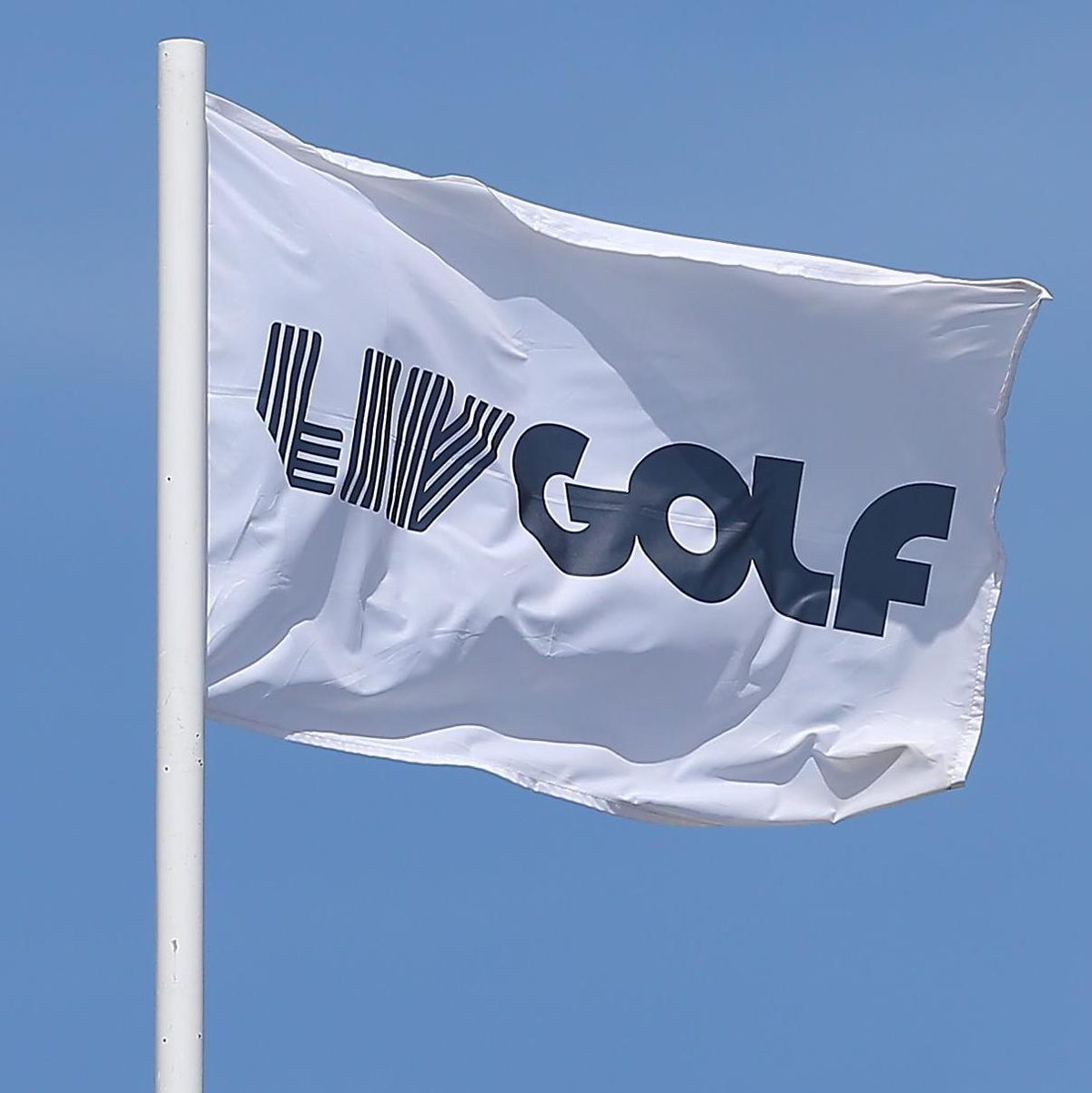
The brash, Saudi-backed LIV Golf league, which dramatically disrupted the world of professional golf just over four years ago, finds itself at a critical juncture. With its primary funding source, Saudi Arabia's Public Investment Fund (PIF), reportedly scaling back its financial commitment after spending upwards of $5 billion, the future of LIV Golf hangs precariously in the balance. The recent abortive season finale in Indianapolis, marked by an atmosphere of strained optimism and deep uncertainty, may signal the end of LIV Golf 1.0, unless a new deal can be struck swiftly.
Key Details
- Funding Uncertainty: Saudi Arabia's Public Investment Fund (PIF) has reportedly pulled back its funding, necessitating a search for new investment.
- LIV 2.0 Vision: The league is actively pursuing a relaunch, referred to as 'LIV 2.0', under new investment, aiming for financial sustainability and profitability.
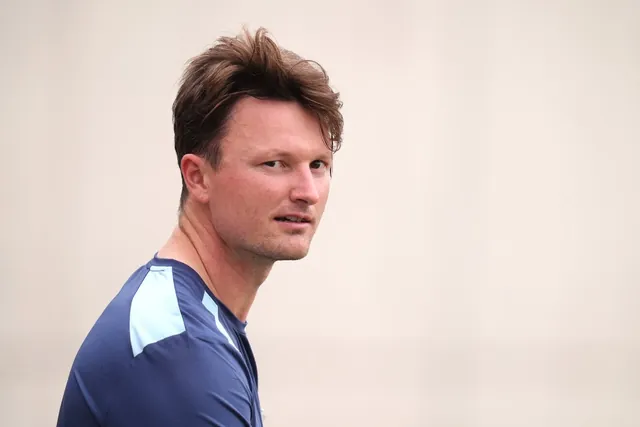
- Potential Investor: Ted Goldthorpe, head of the credit division at BC Partners, is identified as the prospective investor behind the LIV 2.0 plans.
- Revised Model: A future LIV Golf is expected to operate with a more financially disciplined approach, featuring a reduced schedule of 10 events per year across five continents.
- Player Impact: Players await clarity on their futures, with potential equity and retained commercial rights ('Name Image Likeness') offered, but prize money has already been reduced.
- Schedule Changes: The season finale in Indianapolis saw the cancellation of the team event and a reduction in prize money, signalling a shift from the league's initial free-spending era.
Background
Launched with significant fanfare and backed by substantial financial resources from Saudi Arabia, LIV Golf aimed to revolutionize professional golf by offering lucrative contracts and a unique tournament format. This breakaway league immediately created a schism within the sport, dividing loyalties and leading to bans for players who joined from the established PGA Tour. Despite its disruptive impact and the allure of substantial prize money, LIV Golf has struggled to achieve widespread acceptance and financial viability. The PIF's reported withdrawal of funding marks a significant turning point, forcing the league to confront its financial realities and seek a new path forward.
Impact Analysis
The potential demise or radical restructuring of LIV Golf has significant implications for the professional golf landscape. For players, the uncertainty is palpable. Many are grappling with decisions about their future, weighing potential offers from LIV 2.0 against opportunities on other tours, such as the European-based DP World Tour. The promise of equity and commercial rights in a new iteration of LIV is appealing, but the reduced prize money and the overall instability cast a long shadow. The PGA Tour, which has benefited from LIV's disruption by increasing its own prize purses, may also see its strategy shift depending on LIV's fate. A more financially disciplined LIV could mean less pressure on the PGA Tour to maintain its current spending levels.
“We're at the hospice, not the funeral.”
– A senior figure within golf's media, describing the atmosphere surrounding LIV Golf.
Broader Context
The LIV Golf saga is intrinsically linked to Saudi Arabia's broader strategy of 'sportswashing' – using high-profile sporting events to enhance its international image. The immense investment in LIV Golf, alongside ventures in football and other sports, reflects a deliberate effort to diversify its economy and project an image of modernity and global engagement. However, the scrutiny and controversy surrounding LIV, particularly concerning human rights issues, have highlighted the complexities and potential pitfalls of such strategies. The reported scaling back of PIF funding could indicate a recalibration of these ambitions, perhaps a shift towards more sustainable or less controversial sporting investments.
Future Outlook
The immediate future of LIV Golf hinges on the successful negotiation of a new investment deal. If Ted Goldthorpe and his backers can secure the necessary capital and implement a viable business plan, 'LIV 2.0' could emerge with a leaner, more sustainable structure. This would likely involve a condensed schedule, a focus on profitability through mechanisms like franchise sales, and a more disciplined approach to spending. However, the path ahead is fraught with challenges. Securing player commitment, navigating potential legal hurdles, and gaining broader acceptance within the golf community will be crucial. The next few weeks are critical, as players need clarity to make informed decisions about their careers. The league's leadership expresses confidence in securing a critical mass of players, but the sentiment among many remains subdued, with some describing the current situation as a 'last hurrah'.
Conclusion
LIV Golf stands at a precipice. The era of Saudi-backed, seemingly limitless spending appears to be over, replaced by the urgent need for financial discipline and a sustainable business model. The emergence of 'LIV 2.0', spearheaded by potential investor Ted Goldthorpe, offers a glimmer of hope for the league's continuation. However, the journey from its current uncertain state to a profitable, stable entity will be arduous. The decisions made in the coming weeks will not only determine the fate of LIV Golf but also have a lasting impact on the evolving landscape of professional golf worldwide.
Source: sports.yahoo.com