Lane Kiffin's Emotional Return to Ole Miss: A Coaching Crossroads
Introduction
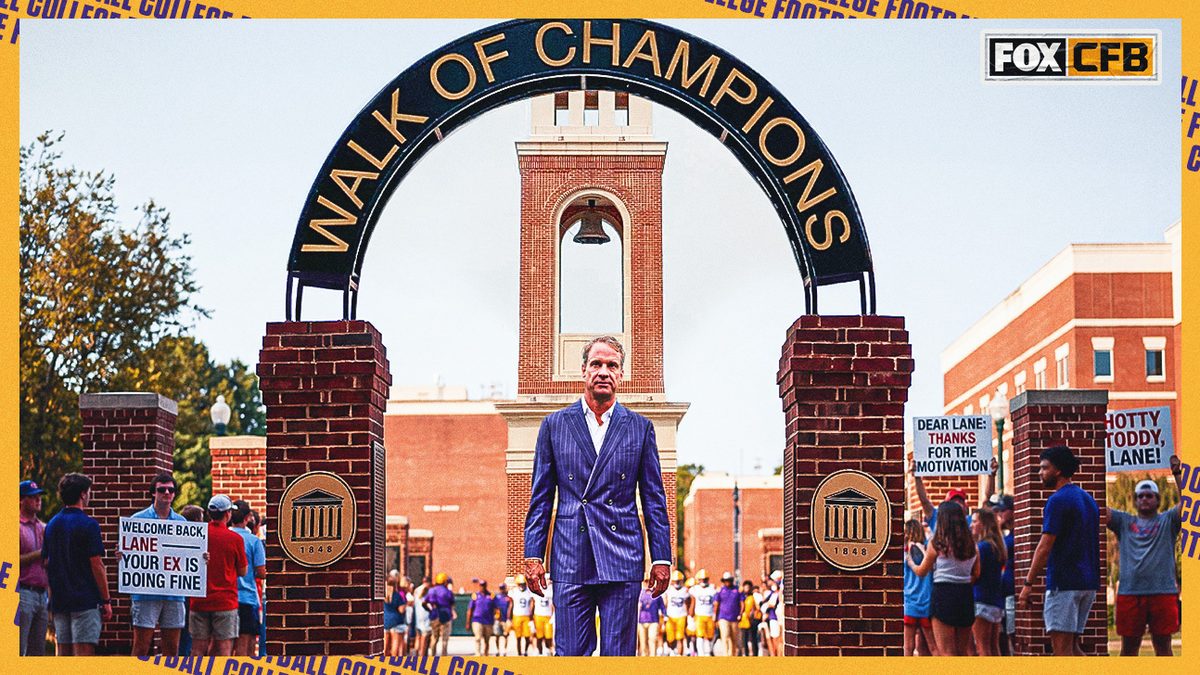
The upcoming football clash between No. 7 LSU and No. 8 Ole Miss is more than just a high-stakes conference game; it's a deeply personal reunion for LSU head coach Lane Kiffin. Returning to Oxford, where he spent six seasons building the Rebels into a powerhouse, Kiffin faces a unique emotional and professional challenge. This game, less than a year after his abrupt departure for LSU, promises to be fraught with lingering resentment from Ole Miss fans and players, making it a spectacle unlike any other.
Key Details
- Matchup: No. 7 LSU Tigers vs. No. 8 Ole Miss Rebels.
- Coach: Lane Kiffin, now head coach of LSU, formerly of Ole Miss.
- Context: Kiffin left Ole Miss for LSU late last season, just before the Rebels' College Football Playoff debut, sparking significant fan and player backlash.
- Player Movement: Kiffin brought only four former Ole Miss players and 12 staff members to LSU.
- Historical Precedent: This situation echoes previous high-profile coaching homecomings, including Nick Saban's return to LSU and Steve Spurrier's to Florida.
Background
The emotional weight of coaching against a former program is a sentiment well-understood by many in the coaching fraternity. Chris Petersen, former head coach at Washington and Boise State, described his own return to Boise State as “the worst,” citing the deep connections he had with the players he recruited and the place he built. “I’m looking at that sideline and knowing these are all the guys that we left there and that was one of the hardest things that you ever had to do,” Petersen recalled. He noted the difficulty of facing a team comprised of players he knew intimately, a situation exacerbated by the pre-transfer portal era where no players followed him.
Lane Kiffin is no stranger to these awkward reunions. In 2014, as Alabama’s offensive coordinator, he returned to Tennessee, a program he coached for one tumultuous season. The reception was hostile, but Alabama secured a decisive victory. Later, as Ole Miss head coach, Kiffin faced similar animosity when returning to Neyland Stadium, with fans pelting the field with objects after the game. These experiences have prepared him, to an extent, for the inevitable storm awaiting him in Oxford.
“The good thing for Lane is he’s getting this thing over fast — it’s not next year, it’s not later this season, he’s getting it done now,” Petersen observed, highlighting the accelerated timeline of Kiffin’s return compared to his own experience. “He’s going to have to go out on the field late and get off the field right away.”
Impact Analysis
The psychological impact on Kiffin and both teams is significant. Kiffin himself acknowledged the intense focus on him, telling his players, “There’s going to be so much attention, hatred, everything on me. You just get to go play.” He aims to use this as a shield, deflecting pressure from his team by emphasizing the expectations on the highly-touted Ole Miss squad. However, the raw emotion of the situation cannot be entirely contained. Petersen’s experience suggests that the surreal feeling of being in a familiar stadium surrounded by opposition can be disorienting.
For Ole Miss players and fans, the game is an opportunity for catharsis and retribution. The manner of Kiffin’s departure—leaving just before a historic playoff appearance—left a bitter taste. The return of Kiffin, especially with a few former players in tow, will undoubtedly fuel their desire to win. Conversely, LSU, under Kiffin, has the chance to prove their mettle on a big stage, potentially using the hostile environment as motivation.
Broader Context
The phenomenon of coaches returning to face former employers is a recurring theme in college football, highlighting the sport’s inherent drama and the transient nature of coaching careers. Nick Saban famously described his return to LSU with Alabama as “one of the most difficult homecomings in the history of ball,” recalling the hostile reception from student sections. Similarly, Steve Spurrier faced his old Florida faithful with South Carolina, and Dan Mullen returned to Mississippi State with Florida. These situations underscore the complex emotional landscape coaches navigate, balancing professional obligations with personal history.
Future Outlook
Regardless of the game’s outcome, Kiffin’s return to Oxford will be a defining moment in his tenure at LSU and a memorable chapter in college football history. If LSU wins, it will be a testament to Kiffin’s ability to manage chaos and motivate his team under extreme pressure. A loss, however, could amplify the narrative of Kiffin’s tumultuous coaching style. For Ole Miss, a victory would provide immense satisfaction and solidify their standing. The long-term implications for both programs will depend on how well they manage the emotional fallout and focus on their season goals.
Conclusion
Lane Kiffin’s return to Ole Miss is a potent cocktail of rivalry, resentment, and redemption. It’s a situation that tests the emotional resilience of coaches and players alike. As Chris Petersen noted, the ultimate antidote to such a difficult homecoming is a strong performance and a victory. Whether Kiffin can navigate the emotional minefield and lead LSU to a win against his former team remains to be seen, but the spectacle is guaranteed to be anything but ordinary.
Source: foxsports.com