Kevin Feige Outlines Bold New Direction for Marvel Studios Amid Industry Shifts
Introduction
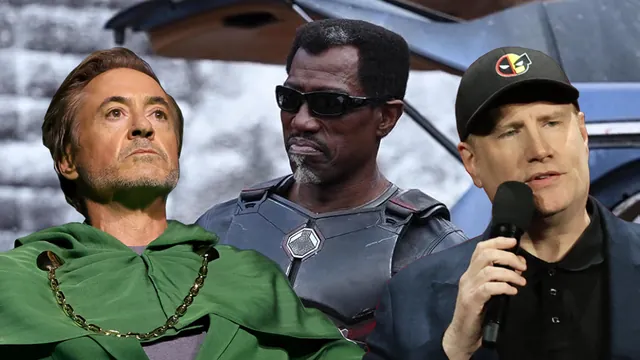
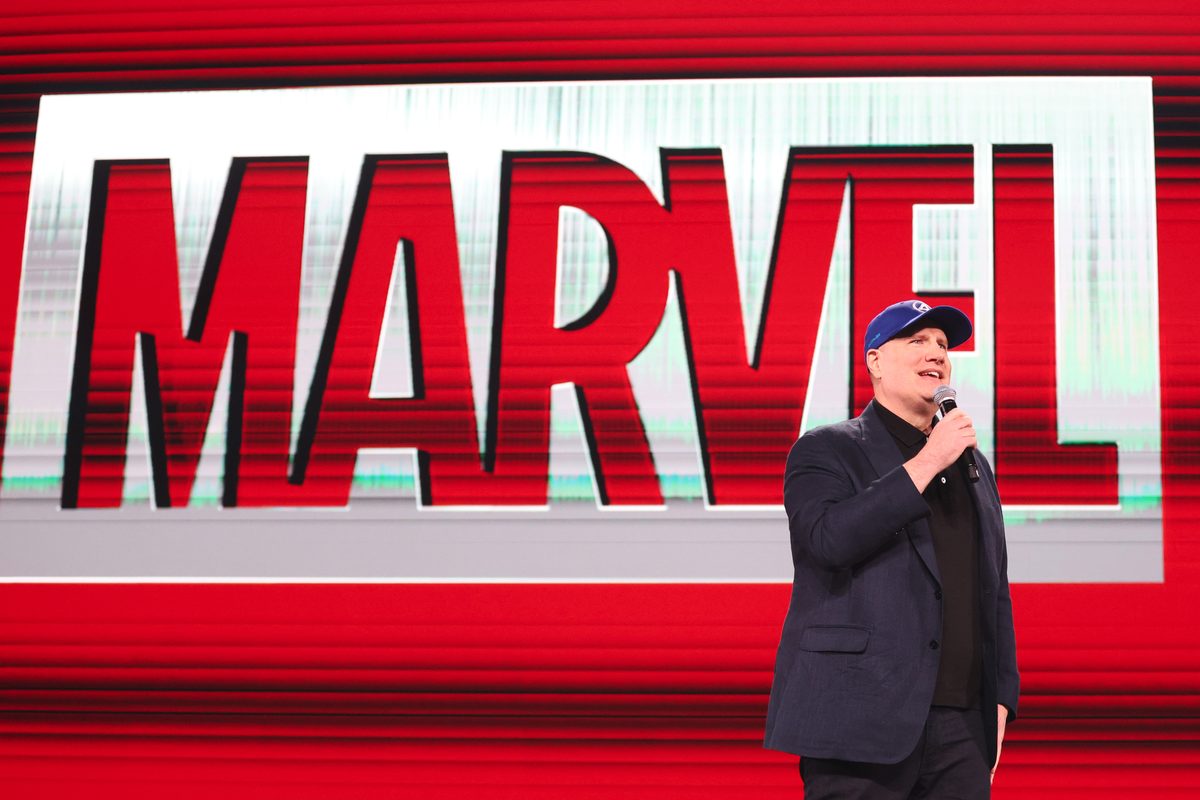
Kevin Feige, the visionary president of Marvel Studios, recently shared insights into the studio's evolving strategies in response to changing industry dynamics and audience expectations. Speaking candidly during an intimate briefing at Marvel's legendary conference room on the Disney lot, Feige addressed rumors about superhero fatigue and outlined Marvel's focus on recalibrating budgets, restructuring their television endeavors, and exploring opportunities to bring back iconic talent such as Robert Downey Jr.
Key Details
- Marvel Studios aims to produce films with lower budgets compared to the high-spending spectacles of the past decade.
- There will be less emphasis on television series within the Marvel Cinematic Universe (MCU), shifting toward more film-centric storytelling.
- Feige hinted at the possibility of Robert Downey Jr. reprising a role, sparking significant excitement among fans.
- Addressed and challenged the notion of 'superhero fatigue' in the industry, comparing the MCU's ongoing success with other superhero franchises like Superman.
- The strategic pivot reflects broader changes in audience consumption patterns and the evolving entertainment landscape.
Background
Marvel Studios has been a dominant force in global cinema since the launch of its MCU in 2008 with "Iron Man." Over the past fifteen years, the studio has produced a complex web of interconnected films and television series, creating one of the most successful entertainment franchises in history. However, recent years have seen a saturation of superhero content across various platforms, leading to concerns about audience exhaustion or so-called superhero fatigue.
The rise of streaming services also transformed how viewers engage with content, prompting studios to reconsider how they allocate resources and create narratives. Marvel’s initial push into television through Disney+ series like "WandaVision" and "Loki" was generally well-received but brought different challenges than theatrical releases.
Analysis
Feige's comments suggest a deliberate recalibration of Marvel's approach, acknowledging the need for sustainable production models amid economic pressures and shifting consumer habits. The move to lower budgets could indicate an increased focus on storytelling, character development, and innovation rather than solely relying on blockbuster spectacle.
Reducing the volume of TV projects within the MCU may also signal an intent to tighten the narrative focus, avoiding overextension across too many platforms. This shift could help maintain coherence and authenticity in the MCU, which has been praised for its interconnectivity but criticized for complexity.
The potential return of Robert Downey Jr., who played Tony Stark/Iron Man, a character central to the MCU's rise, points to Marvel’s recognition of the power of nostalgia and legacy characters to re-engage audiences. It also reflects a balancing act between introducing new heroes and honoring the foundational figures of the franchise.
Feige’s dismissal of superhero fatigue, supported by comparisons to other long-running superhero properties like Superman, underscores the enduring appeal of well-crafted superhero stories. It suggests confidence that with thoughtful storytelling and strategic planning, the superhero genre will continue to thrive.
Conclusion
Marvel Studios is at a pivotal moment, adapting to an entertainment landscape transformed by streaming, audience diversification, and economic realities. Kevin Feige's vision of lower-budget productions, fewer TV projects, and revitalizing legacy characters like Robert Downey Jr.'s Iron Man highlights a mature phase for the MCU. Rather than signaling decline, these changes represent a strategic evolution aimed at sustaining Marvel’s cultural and commercial relevance for years to come.