Fury vs. Joshua: A Spectacle of Celebrity Over Sporting Merit

Introduction
The heavyweight boxing match between Tyson Fury and Anthony Joshua, long anticipated and now finally on the horizon, is often framed as a contest of sporting excellence. However, a closer examination suggests it is a carefully orchestrated event designed to maximize commercial appeal by capitalizing on the fighters' celebrity status, rather than a true test of peak athletic prowess. This dynamic raises fundamental questions about the nature of modern prizefighting and its place in the broader sporting landscape.
Key Details
- The fight is scheduled to take place when both Fury (38) and Joshua (36) are considered past their prime fighting years.
- Critics argue that the delay in staging the bout has diminished its sporting significance, making it more about commercial value than competitive urgency.
- Promoters are accused of strategically timing the fight to coincide with peak public interest before it wanes, akin to a market vendor selling produce on the verge of spoiling.
- Boxing is contrasted with other sports where structures actively promote encounters between the best competitors.
- The article highlights a divergence in boxing between "meritocratic sporting excellence" and "algorithmic celebrity power," with Fury-Joshua seemingly falling into the latter category.
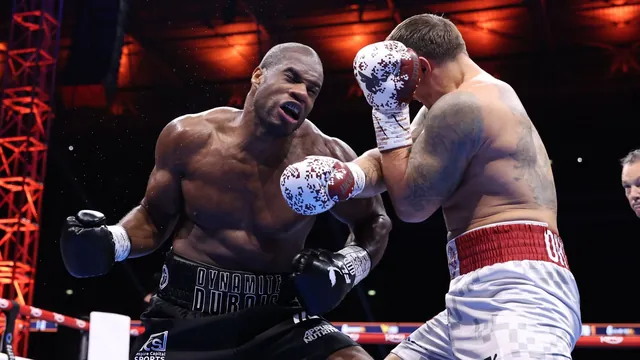
- Examples of the "celebrity power" trend include Jake Paul's prominence and Oleksandr Usyk fighting a kickboxer, while Dubois vs. Wardley exemplifies the neglected "sporting excellence."
Background
The article draws a parallel with the 1912 Olympic marathon, where Japanese runner Shizo Kanakuri famously abandoned the race due to harsh conditions and later completed it 54 years later. While a compelling human story, Kanakuri's delayed finish had no sporting consequence. This anecdote serves to illustrate how narrative and public interest can sometimes overshadow genuine athletic achievement. The Fury-Joshua fight, it is argued, operates on a similar principle, where the spectacle and commercial appeal have become paramount, irrespective of the fighters' current competitive form.
Impact Analysis
The timing of the Fury vs. Joshua fight is crucial to its analysis. Had it occurred in 2021, as some had hoped, both fighters would have risked their titles, legacies, and undisputed status. By delaying the bout, the commercial potential has ballooned to an estimated £150 million, as noted by Joshua's own past statements about its eventual value. This strategic postponement, while commercially astute, strips the fight of genuine jeopardy. It suggests that the boxing industry, particularly in its promotional aspects, prioritizes the creation of lucrative events over the staging of contests that define eras through athletic supremacy. This approach contributes to boxing's gradual slide towards mainstream irrelevance, as it deviates from the fundamental sporting principle of pitting the best against the best.
Broader Context
Boxing's unique position among sports lies in its inherent tension between raw, meritocratic competition and theatrical entertainment. Historically, the sport has thrived when these two elements are in balance—the dramatic climax of athletic prowess amplified by compelling showmanship. However, the article contends that this balance has been disrupted. Boxing now appears to be bifurcating into two distinct paths. One is the pursuit of pure sporting excellence, exemplified by emerging talents like Moses Itauma or highly anticipated domestic clashes such as Daniel Dubois vs. Fabio Wardley, which often receive little mainstream attention. The other is the realm of "algorithmic celebrity power," driven by social media influence and marketability, where figures like Jake Paul achieve immense fame, and established champions engage in bouts with less accomplished opponents or exhibition matches. The Fury-Joshua bout, by its timing and commercial focus, appears to align more closely with the latter.
Future Outlook
“Prizefighting owes its success to the ability to hold two ideas in its orbit at once. First, the sense of sporting ultimacy... And second, the sense of vaudeville and pantomime...”
The future of boxing hinges on its ability to reconcile these two competing forces. If the sport continues to prioritize celebrity and commercial viability over athletic merit, it risks alienating a core audience that values genuine competition. The continued staging of fights like Fury vs. Joshua, where the narrative is built on past glories and future commercial prospects (like a potential rematch) rather than present-day dominance, suggests a trajectory towards entertainment spectacle over sporting substance. This could lead to further erosion of boxing's credibility as a legitimate sport, pushing it closer to the realm of performance art or reality television.
Conclusion
Ultimately, the Fury vs. Joshua fight, while promising a significant spectacle, represents a complex interplay of athletic history, commercial ambition, and the evolving nature of celebrity in sports. The article posits that the fight is happening now not because it is the optimal time for sporting greatness, but because it is the optimal time for maximum financial return, leveraging the fighters' star power at a point where their physical primes have likely passed. This strategic commercialism, while understandable from a business perspective, raises concerns about whether boxing is truly serving the ideals of sporting excellence or merely capitalizing on the algorithmic power of celebrity. The author expresses a desire to believe in the sport's integrity but acknowledges the prevailing reality points towards a different conclusion.
Source: theguardian.com