England Lionesses Stand United Against Surge in Racial Abuse Amid Euro 2025
England Lionesses Stand United Against Surge in Racial Abuse Amid Euro 2025
Introduction
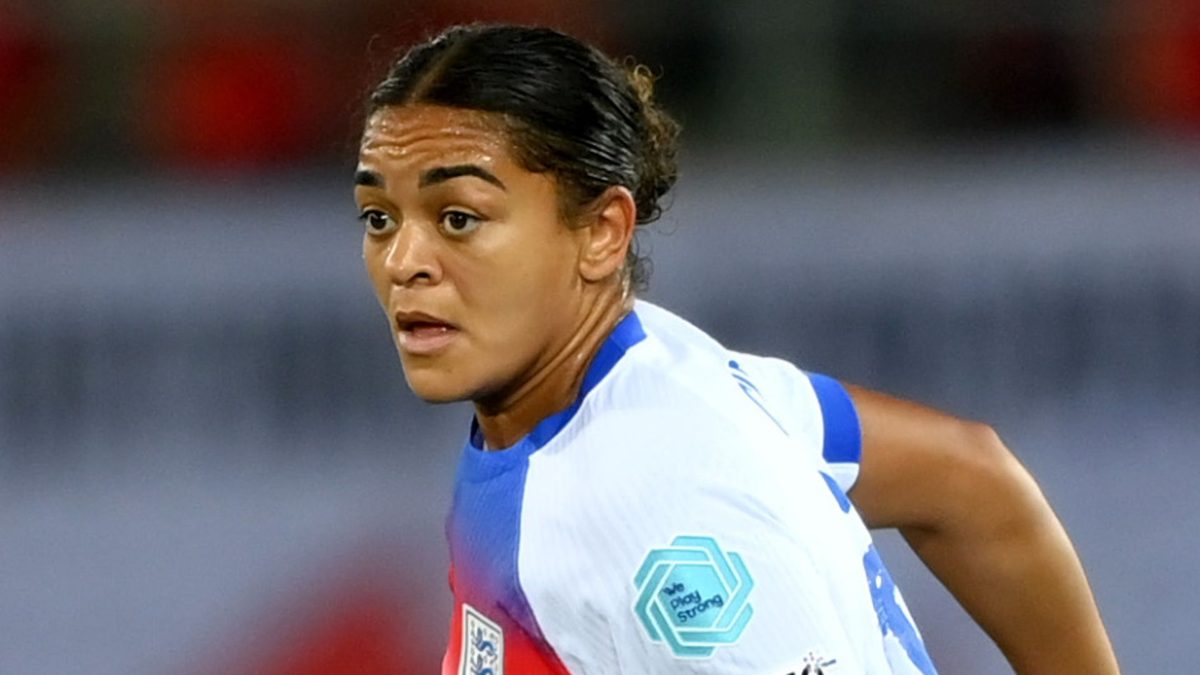
During the ongoing UEFA Women's Euro 2025 tournament, England's defender Jess Carter has publicly revealed that she has been the target of racial abuse on social media platforms. This troubling disclosure comes amidst a broader wave of online vilification faced by the England Lionesses, the national women's football team. The players collectively condemned the hateful messages, emphasizing the urgent need to address racism within the sport and society.
Key Details
- Jess Carter, a key defender for the England Lionesses, disclosed experiencing racist attacks online during the Euro 2025 competition.
- The racial abuse was conveyed through various social media channels, highlighting the pervasive nature of online hate.
- Several members of the Lionesses publicly denounced the offensive messages as 'vile' and unacceptable.
- The Football Association (FA) has reiterated its commitment to fighting racism and supporting players subjected to abuse.
- The incident reignites discussions about the safety and mental health of athletes facing discrimination.
Background
Racism in football, both men’s and women’s, has been a persistent issue despite ongoing efforts to eradicate it. Social media platforms have unfortunately become a breeding ground for anonymous hate speech targeting players based on race, gender, or nationality. Jess Carter’s experience is not isolated; numerous players across leagues and international competitions have reported similar abuse in recent years.
The England Lionesses have experienced growing popularity and visibility following their World Cup success in 2023 and continued strong performances. With increased media attention comes increased scrutiny and unfortunately, a corresponding rise in abuse from a minority of fans and trolls. The FA and UEFA have ramped up campaigns promoting inclusivity and respect, but challenges remain.
Analysis
The revelation by Jess Carter shines a spotlight on the uncomfortable reality that racism remains entrenched in football culture, even at the highest levels of women’s sport. As women’s football grows in prominence and draws larger audiences, players become more exposed to public opinion, both positive and negative.
The denouncement of these attacks by Carter’s teammates demonstrates a united front and the importance of solidarity within the team. It also stresses the need for governing bodies, clubs, and social media companies to implement stronger safeguards and swift punitive measures against offenders.
Moreover, this incident prompts reflection on the mental health implications for athletes enduring such harassment. The psychological toll of racial abuse can affect performance, confidence, and overall wellbeing. Support systems within clubs and national teams are crucial in helping athletes navigate these challenges.
In the wider context, tackling racism in football requires multifaceted strategies including education, fan engagement, and legal action. The ongoing visibility of such cases reminds society of the work still needed to make football a truly inclusive environment.
Conclusion
Jess Carter’s courageous act of speaking out against racial abuse during Euro 2025 serves as a powerful reminder of the persistent challenges faced by footballers off the pitch. The collective condemnation by the Lionesses highlights a renewed determination within the team and the football community to confront and eradicate racism. As the sport continues to evolve and inspire millions, ensuring a safe and respectful environment for all players remains an essential priority for fans, officials, and social media platforms alike.