Denny Hamlin Triumphs Amid Weather Challenges to Secure Consecutive Victory at Dover
Denny Hamlin Triumphs Amid Weather Challenges to Secure Consecutive Victory at Dover
Introduction
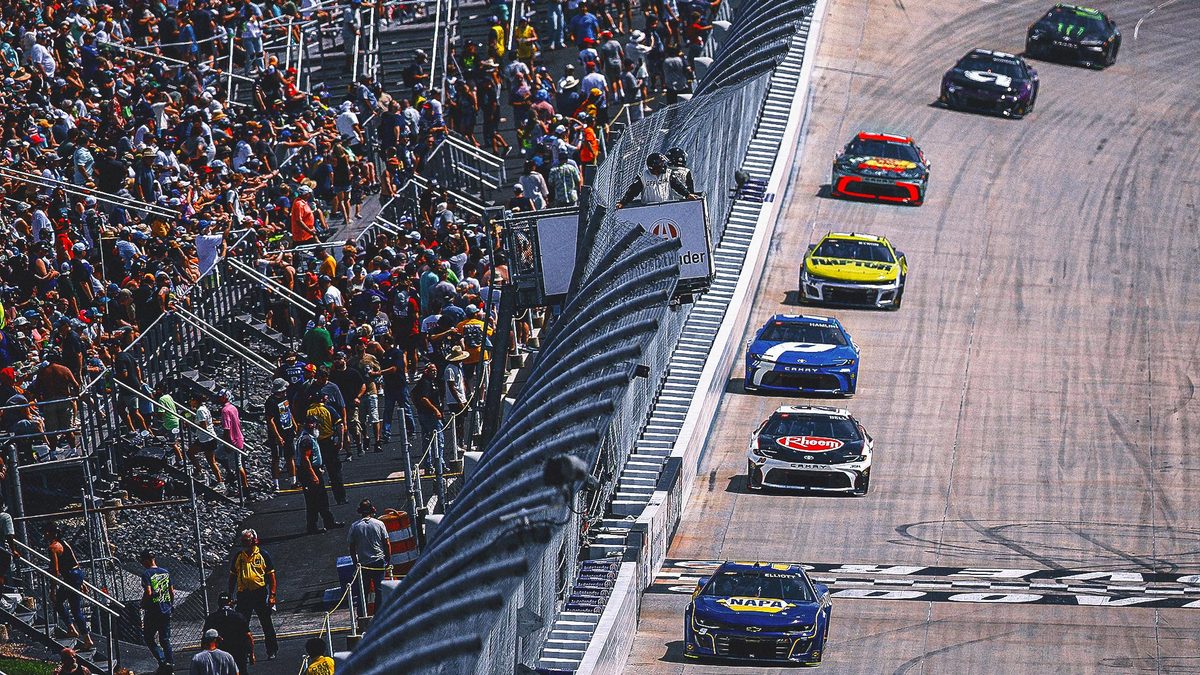
On a dramatic Sunday at Dover Motor Speedway, Denny Hamlin demonstrated exceptional composure and racing prowess by securing his second consecutive victory at the iconic one-mile concrete oval. The race was marked by unpredictable weather conditions that led to a rain delay and an overtime finish, adding layers of complexity and suspense. Hamlin's ability to maintain focus and adapt to these challenges underlines why he remains one of the top contenders in the NASCAR Cup Series.
Key Details
- Denny Hamlin took the checkered flag after a rain delay interrupted the race’s final stages.
- The race extended into overtime, increasing pressure on drivers and teams.
- Hamlin’s win at Dover marks his back-to-back victories at the track within the same season.
- Weather played a pivotal role, forcing teams to adjust strategies rapidly.
- This victory further cements Hamlin’s position as a championship contender.
Background
Dover Motor Speedway, often referred to as the 'Monster Mile,' is renowned for its demanding surface and high-banked turns that test driver skill and endurance. Victory at Dover is considered prestigious due to the track’s challenging conditions and the physical and mental toll it takes on competitors. Denny Hamlin, a veteran driver with multiple wins and playoff appearances, has consistently performed well here, and his recent back-to-back wins at Dover underscore his mastery of the circuit.
The NASCAR Cup Series season is fiercely competitive, with every race impacting the playoff standings and championship prospects. Weather interruptions such as rain delays can disrupt race rhythm and strategy, forcing teams to be adaptable. In this environment, drivers like Hamlin who can maintain concentration and make strategic decisions under pressure often gain an edge.
Analysis
Hamlin’s ability to navigate the rain delay without losing momentum was critical to his success. Rain delays not only cool the track and alter its grip but also disrupt drivers’ focus and team strategies. Hamlin and his crew chief executed timely pit stops and adjusted their approach to tire and fuel management, ensuring the car remained competitive throughout the extended race.
The overtime finish added an extra layer of intensity, as any misstep could have cost Hamlin the victory. Overtime restarts test a driver’s nerves and reflexes; Hamlin’s experience and tactical acumen allowed him to fend off challengers in the closing laps. This performance highlights the importance of adaptability and mental toughness in NASCAR, especially when unpredictable variables like weather intervene.
Moreover, back-to-back wins at the same track within a season are relatively rare and indicate a driver’s exceptional command over specific racing conditions. Hamlin’s recent form at Dover positions him as a formidable competitor heading into the latter part of the season and the playoffs.
Conclusion
Denny Hamlin’s victory at Dover Motor Speedway amid a rain delay and overtime finish is a testament to his resilience, skill, and strategic excellence. His ability to maintain composure under pressure, adapt to rapidly changing race conditions, and execute with precision reinforces his status as one of NASCAR’s elite drivers. As the season progresses, Hamlin’s momentum from back-to-back Dover wins could prove pivotal in his pursuit of the championship.