Dementia Caregiving: A Daughter's Struggle Balancing Work, Finances, and Family Duty
Introduction
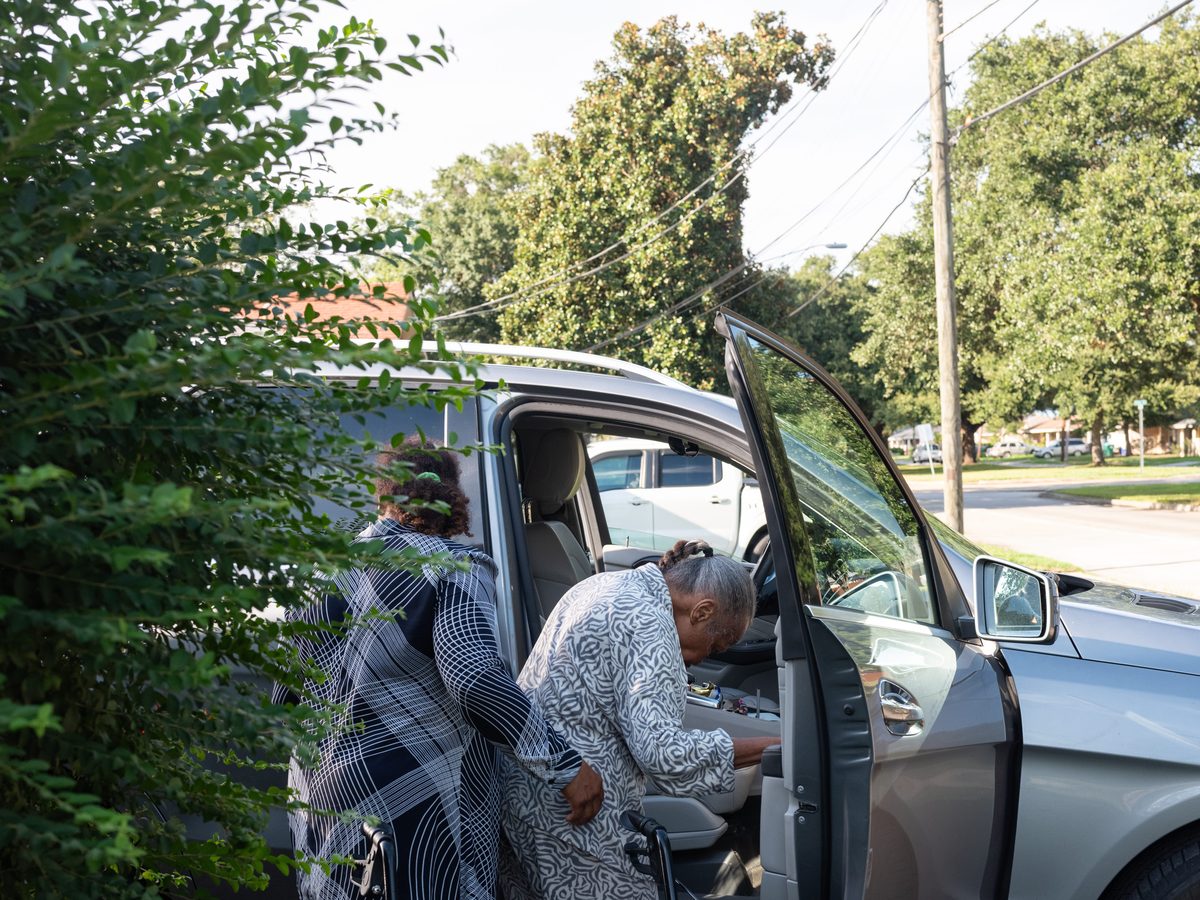
The journey of aging often brings unforeseen challenges, particularly when a parent develops a cognitive condition like dementia. For Angela Davis, 65, this reality means a profound shift in her daily life, juggling caregiving responsibilities for her 87-year-old mother with her own professional and personal needs. Her story, shared with Business Insider, sheds light on the immense emotional, physical, and financial strain faced by many adult children acting as primary caregivers in the United States.
Key Details
- Angela Davis, 65, is the primary caregiver for her 87-year-old mother who has been diagnosed with dementia.
- The monthly cost of in-home care for her mother is estimated to be upwards of $7,000, with Davis contributing approximately 40% of the total care expenses.
- Davis' mother has experienced significant cognitive decline, including instances of paranoia, memory lapses, and wandering, necessitating constant supervision.
- Despite her own retirement from social work, Davis continues to work and manage rental properties to help cover the substantial costs of her mother's care.
- The emotional toll is significant, with Davis noting that going to work sometimes serves as her only respite from the demanding caregiving duties.
- Davis has taken steps to ensure her own future care wishes are known, preferring not to experience a similar decline.
Background
Angela Davis, a resident of New Orleans, has a background as a licensed clinical social worker. She returned to her hometown to be closer to her parents and raise her son. Her mother, a former school teacher, owned a home that Davis has since transferred to her son. Davis also has a history of real estate investment, owning over a dozen rental properties. This financial stability, however, is being tested by the escalating costs associated with her mother's advanced dementia.
The onset of her mother's condition was gradual, marked by subtle behavioral changes. These escalated over time, leading to concerning incidents such as her mother getting lost and experiencing paranoia, even accusing Davis of trying to steal her home and money. A particularly distressing event involved Davis having to break into her mother's home after a period of no contact, only to find her mother on the floor. This led to a hospital stay, during which it was discovered that her mother's Medicare premiums had not been paid, limiting her services.
Impact Analysis
The financial burden of dementia care is staggering. Davis estimates her mother's in-home care costs to exceed $7,000 per month. While her mother receives $3,200 monthly, the upkeep on her home alone—including utilities, taxes, and alarms—amounts to $5,000. This gap necessitates Davis contributing about 40% of the total care expenses, a significant drain on her resources, even with her rental income. The cost of an ambulance after her mother fell while wandering was $4,000, an unexpected expense that further strains the budget.
Beyond the financial strain, the emotional and physical toll on Davis is immense. She describes the caregiving as “death by 1,000 cuts,” a relentless demand on her time and energy. She sleeps on a loveseat downstairs to be near her mother, waking as early as 4:30 a.m. to manage her mother's needs before her own 40-mile commute to work. While her flexible work schedule allows her to manage, the constant vigilance and lack of personal time are taking a toll. Work, paradoxically, offers a much-needed break and a sense of normalcy.
“I continue to work, partly for my own mental well-being. The money is not going to make or break me, but it never hurts to have more. It gets me out of the house and takes me out of caregiving for a few hours.”
Broader Context
Angela Davis's situation is emblematic of a larger crisis in long-term care in the United States. Millions of Americans find themselves in similar positions, acting as unpaid, often unprepared, caregivers for aging parents or other relatives with chronic illnesses, including dementia. The lack of affordable and accessible long-term care options forces many families to rely on home-based care, which can be prohibitively expensive, or to place loved ones in facilities, which may not always meet their evolving needs or be financially feasible.
The story also touches upon the societal expectation for adult children, particularly daughters, to provide care. Davis's candid admission that she is “not that kind of caretaker” – not someone who “can wipe your butt and brush your teeth gladly” – highlights the difficult emotional adjustment and the personal sacrifices involved. Her wish to avoid a similar fate for herself underscores a growing awareness and desire among individuals to plan for their own end-of-life care and to communicate their preferences clearly.
Future Outlook
The trajectory of dementia is typically one of progressive decline, meaning Davis's caregiving responsibilities are likely to intensify. As her mother's condition worsens, the need for more intensive care, potentially including round-the-clock assistance or specialized medical support, will increase. This raises concerns about the sustainability of the current care arrangement and the long-term financial implications for Davis.
The narrative also suggests a need for greater societal support systems for caregivers. This could include more robust government programs, affordable long-term care insurance options, and community-based resources that can alleviate the burden on individual families. Davis's efforts to model responsible planning for her son, while also prioritizing her own well-being and travel, suggest a desire to live fully despite the present challenges, a sentiment that resonates with many facing similar circumstances.
Conclusion
Angela Davis's account is a poignant and realistic portrayal of the multifaceted challenges of caring for a loved one with dementia. It underscores the profound personal sacrifices, the significant financial strain, and the emotional complexities involved. Her story is a powerful call for greater awareness, support, and systemic solutions to address the growing long-term care crisis in America, ensuring that both caregivers and those they care for can maintain dignity and quality of life.
Source: businessinsider.com