Damon Heta's Walk-On Sparks Laughter and Spotlight at Blackpool Darts
Introduction
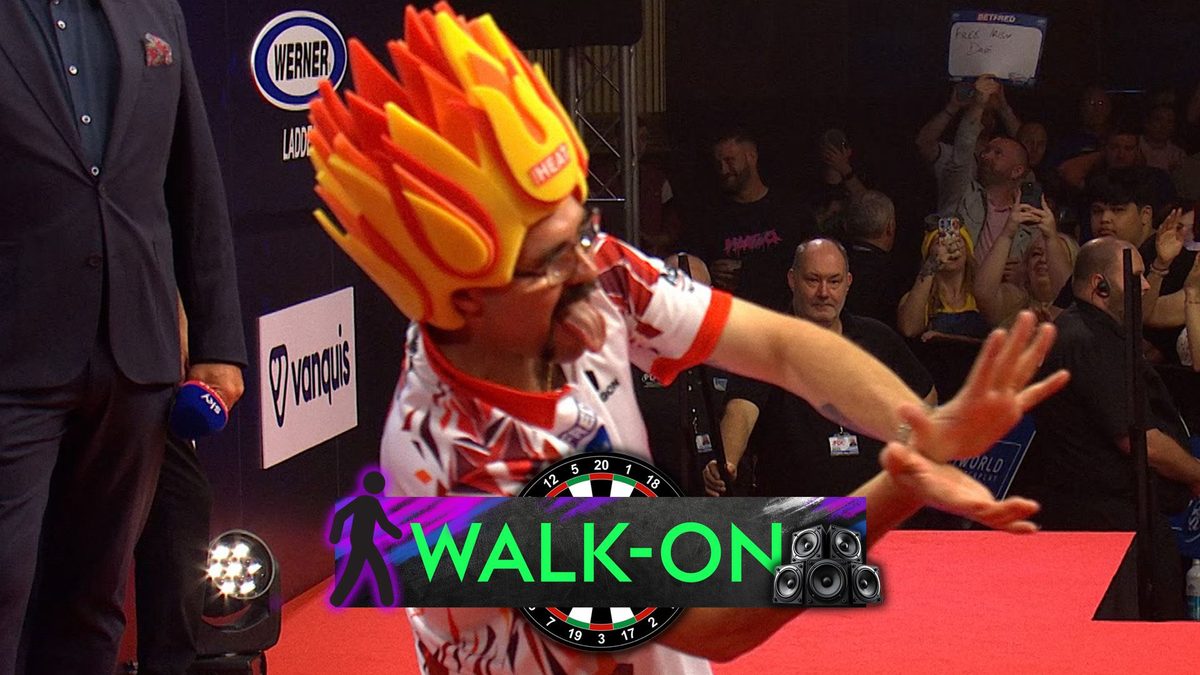
Damon Heta, an emerging star in the world of professional darts, recently caught the attention of fans and commentators at the prestigious Blackpool tournament. His walk-on, a moment typically reserved for brief introductions, became the highlight of the event for many – sparking laughter, surprise, and a lively debate about the role of entertainment in darts. While some praised Heta’s sense of humor and charisma, others felt the antics distracted from the sport itself.
Key Details
- Damon Heta's walk-on at Blackpool was uniquely entertaining and humorous, standing out among the usually straightforward player introductions.
- The walk-on elicited mixed reactions from the crowd and commentators, some applauding his creativity and others deeming it unconventional.
- The Blackpool tournament is a key fixture on the Professional Darts Corporation (PDC) calendar, known for its passionate fanbase and festive atmosphere.
- Heta is known for blending skillful play with engaging personality, contributing to his growing popularity within the darts community.
Background
The sport of darts has evolved over recent decades from a niche pub pastime to a major televised spectacle with professional players enjoying celebrity status. Walk-ons, where players make their entrance to the stage often accompanied by music and fanfare, have become a critical element of the show. The tradition allows players to express their personality and connect with fans, adding layers of entertainment beyond the core competition.
Damon Heta, nicknamed "The Heat," has risen steadily through the ranks, known not only for his precise throwing but also for his approachable and lively demeanor. His performances combine technical prowess with an engaging personality, making him a fan favorite and a valuable asset for the sport's expanding global audience.
Analysis
Heta’s walk-on at Blackpool highlights a broader trend in professional darts toward embracing entertainment and spectacle. The sport’s governing bodies, broadcasters, and players increasingly recognize the importance of showmanship to attract new fans and maintain audience engagement in a competitive sports market.
However, the reception to Heta’s humorous approach reveals the ongoing tension between traditionalists who favor a focus on the athletic competition and newer audiences who welcome a more entertaining presentation. Some critics argue that excessive theatrics risk overshadowing the skill and seriousness of the sport, while proponents see it as a natural evolution that enriches the fan experience.
Moreover, Heta’s ability to balance humor with high-level performance sets an example for emerging players. His approach demonstrates that personal branding and entertainment can coexist with competitive success, potentially influencing the culture of professional darts going forward.
Conclusion
Damon Heta’s memorable walk-on at the Blackpool tournament was more than just a moment of levity; it was a reflection of the changing landscape of professional darts. His blend of humor, personality, and skill underscores the sport’s increasing embrace of entertainment as a core component. While opinions differ on the appropriateness of such antics, it is clear that Heta has sparked a conversation about how darts balances tradition with innovation, competition with spectacle, and professionalism with personality.
As the sport continues to grow in popularity worldwide, players like Heta who bring character and showmanship to the stage will likely play a pivotal role in shaping the future of darts, ensuring it remains both exciting and accessible to diverse audiences.