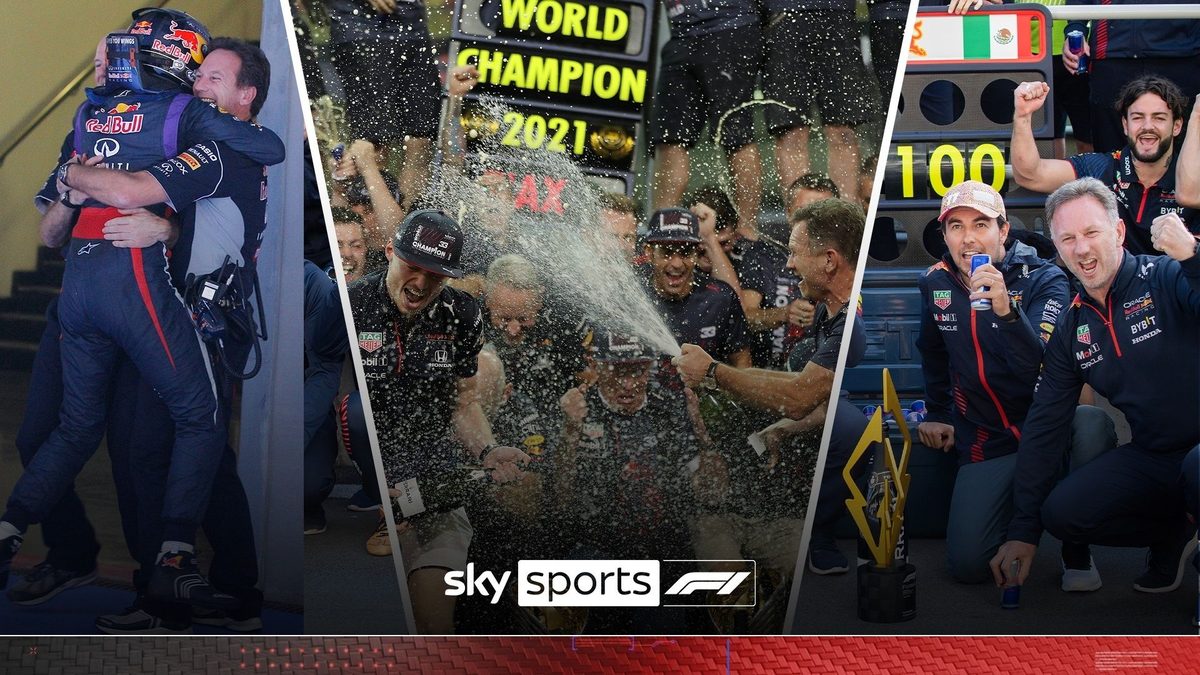
Christian Horner's Rollercoaster Tenure as Red Bull Racing Team Principal: Triumphs and Challenges
Introduction
Christian Horner’s tenure as the team principal of Red Bull Racing has been a defining era in Formula 1, characterized by unprecedented achievements as well as notable challenges. Recently relieved from his position, Horner leaves behind a complex legacy built over nearly two decades. This article explores the highs and lows of his leadership, providing context on how his decisions and management shaped one of the sport’s most competitive teams.
Key Details
- Appointment: Horner became Red Bull Racing’s team principal in 2005 at age 31, one of the youngest individuals to hold such a role in Formula 1.
- Championship Success: Under his guidance, Red Bull secured four consecutive Constructors’ and Drivers’ Championships from 2010 to 2013, largely thanks to the dominance of driver Sebastian Vettel.
- Challenges: Following the initial golden era, Red Bull faced increasing competition from Mercedes and other teams, as well as technical and regulatory difficulties.
- Recent Developments: In 2024, Horner was relieved of his duties, ending a nearly 20-year association with the team.
Background
Christian Horner’s journey into Formula 1 management began after a modest racing career. Taking over Red Bull Racing in 2005, he led a young and relatively inexperienced team when Red Bull had only recently entered the sport. His leadership coincided with Red Bull’s transformation from midfield contenders to championship winners, a remarkable rise powered by strong technical partnerships, notably with engine supplier Renault, and an emerging young star, Sebastian Vettel.
Horner’s ability to foster a competitive team culture, establish strong relationships with drivers and technical staff, and navigate the complex politics of Formula 1 were instrumental in Red Bull’s success. The period between 2010 and 2013, in particular, was a golden era where Red Bull dominated Formula 1, winning four world championships in a row.
Analysis
Despite these successes, Horner’s tenure was not without difficulties. The arrival of Mercedes as a dominant force in the hybrid era shifted the competitive landscape dramatically. Red Bull struggled to keep pace with Mercedes’ technological advancements and faced regulatory challenges that impacted car design and performance.
Moreover, the team's relationship with engine suppliers became strained, especially after Renault’s decline in competitiveness, leading to a critical partnership change to Honda engines. These transitions tested Horner’s managerial skills, requiring rapid adaptation and negotiation under high pressure.
Critics have pointed to occasional strategic missteps and internal team disagreements, while supporters highlight Horner’s resilience and strategic vision in maintaining Red Bull’s status near the top of the field despite intense competition.
Horner has also played a key role in nurturing young talent, most notably Max Verstappen, who emerged as a multiple world champion under his leadership. This driver-team dynamic became a hallmark of Red Bull’s identity and competitiveness.
Conclusion
Christian Horner’s departure marks the end of an era for Red Bull Racing. His nearly two decades at the helm witnessed some of the most exhilarating moments in recent Formula 1 history, from meteoric rises to difficult challenges. His leadership helped establish Red Bull as a premier team, capable of competing at the highest levels.
As the team transitions to new management, the legacy of Horner’s highs and lows will continue to influence Red Bull's future strategies and ambitions in Formula 1. His story remains a compelling example of leadership in a sport defined by rapid change, technological innovation, and fierce competition.