Cameron Winter at Carnegie Hall: A Spellbinding Musical Odyssey Captured on Film
Introduction
Paul Thomas Anderson's latest directorial effort, the documentary film “Cameron Winter at Carnegie Hall,” is not merely a recording of a concert; it is a meticulously crafted cinematic event that elevates a solo performance into a profound spiritual experience. Capturing the Geese frontman Cameron Winter's intimate show on December 11, 2025, Anderson and his crew employed an impressive array of cameras, shooting on lush 16mm and 35mm film. The result is a home video of unparalleled visual quality and artistic depth, blending the grandeur of a major production with the unexpected warmth and intimacy of a personal, spontaneous moment.
Key Details
- Film Title: Cameron Winter at Carnegie Hall
- Subject: Geese frontman Cameron Winter's solo performance
- Date of Performance: December 11, 2025
- Director: Paul Thomas Anderson
- Filming Format: 16mm and 35mm film
- Runtime: 75 minutes
- Key Theme: The film captures a sense of discovery and spiritual revival through music.
- Distribution: An exclusive North American 35mm tour commenced on November 20.
Background
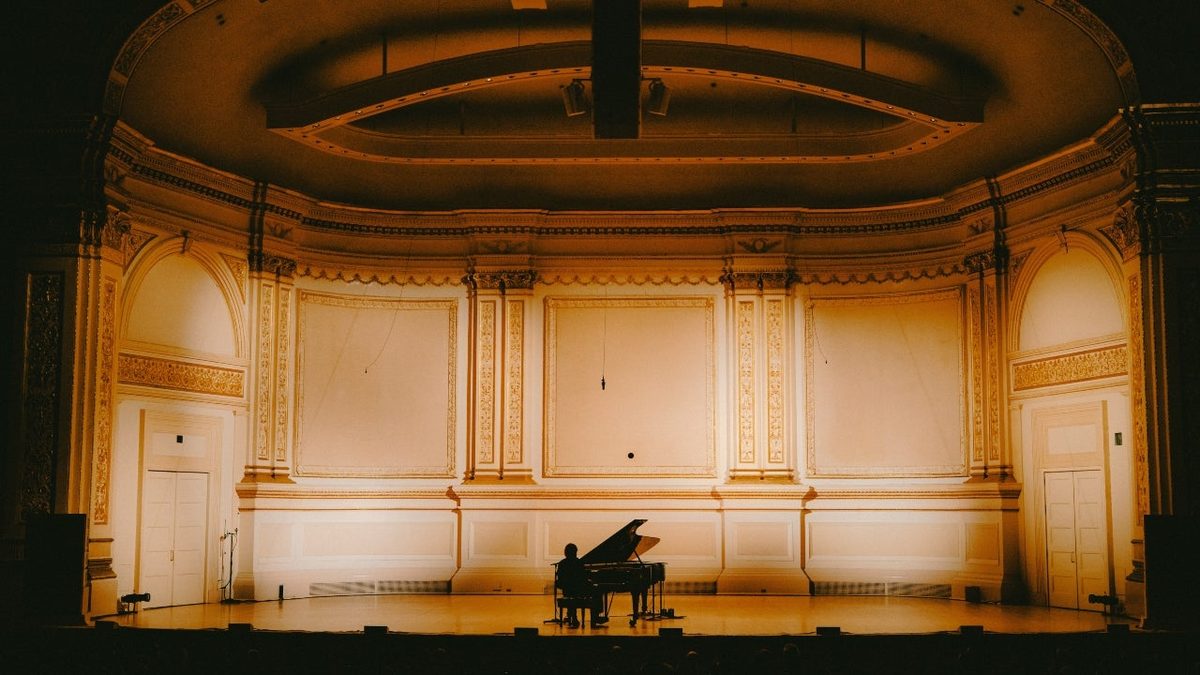
The documentary deliberately sidesteps conventional biographical introductions or audience interviews. Instead, Paul Thomas Anderson plunges the viewer directly into the heart of the performance. The film opens not with exposition, but with the ambient sounds of the venue: the rhythmic scanning of tickets, the soft tread of shoes on wooden floors, and the gentle rustle of the audience settling into their seats. This deliberate choice acts as a sonic palate cleanser, preparing the audience for the main event. Cameron Winter himself wastes no time, taking his place at the Steinway grand piano and launching into his set, immediately establishing the intimate and focused tone of the film.
Impact Analysis
What sets “Cameron Winter at Carnegie Hall” apart is its dynamic visual approach to a stationary performance. Anderson and his crew, granted unrestricted access to film from all angles, imbue the documentary with a unique sense of urgency and perspective. The camera work is fluid and curious, shifting focus with an almost affectionate precision. It might linger on Winter’s face, capturing the subtle quiver of his hair as he sings, or pull back to reveal him from a distant, almost sniper-like vantage point in the upper rafters. This constant re-framing transforms the viewing experience, offering perspectives that even those present at the live event could not have had. The film masterfully captures the isolation of the artist on stage while simultaneously highlighting his connection to the collective audience, akin to the warmth of a campfire with Winter’s music as the central hearth.
Broader Context
Anderson's filmmaking style here draws parallels to the structure and experience of liturgical faith traditions. While liturgies may appear restrictive with their prescribed forms and call-and-response patterns, it is within this framework that the divine can manifest. Similarly, Anderson uses the concert film structure not as a limitation, but as a vessel to explore the multifaceted experience of Winter's performance. The film’s intimate close-ups, often showing Winter hunched over the piano as if in prayer, suggest an artist grappling with his creative identity in real-time. This approach transforms the concert into a deeply personal and introspective journey, mirroring the participatory nature of liturgy, where the audience is not just a passive observer but an active participant in the experience.
“The film’s close-ups on Winter, where he’s often hunched over the piano as if he’s praying, feeling like he’s performing for an audience of one, speak further to this idea that what we’re witnessing is someone coming to terms in real time with who they are as an artist and creative.”
Future Outlook
The film’s power lies in its unpredictability within the concert film genre, offering an alluring and immersive experience. The lines from Winter’s song “Try As I May” — “Try as I may / To love what fits in my hand / I don’t, I don’t” — take on a new resonance within the film’s context. Rather than regret, they suggest an overflowing love for a creation that transcends simple containment. Anderson, his collaborators, and Winter have produced a work born of deep affection, one that invites the audience to engage with and cherish its artistic richness. The ongoing North American 35mm tour ensures that this unique cinematic experience continues to reach audiences, allowing them to participate in the spellbinding musical odyssey.
Conclusion
“Cameron Winter at Carnegie Hall” is a triumph of documentary filmmaking, a testament to Paul Thomas Anderson’s visionary direction and his ability to find profound depth in a musical performance. By eschewing traditional narrative devices and embracing a fluid, curious camera, Anderson crafts an intimate and spiritually resonant portrait of Cameron Winter. The film is more than a concert recording; it is an invitation to experience music and artistry in a deeply personal and engaging way, celebrating the transformative power of creative expression.
Source: thewrap.com