2026 College Football Fridays: A Deep Dive into the Expanded Schedule
Introduction
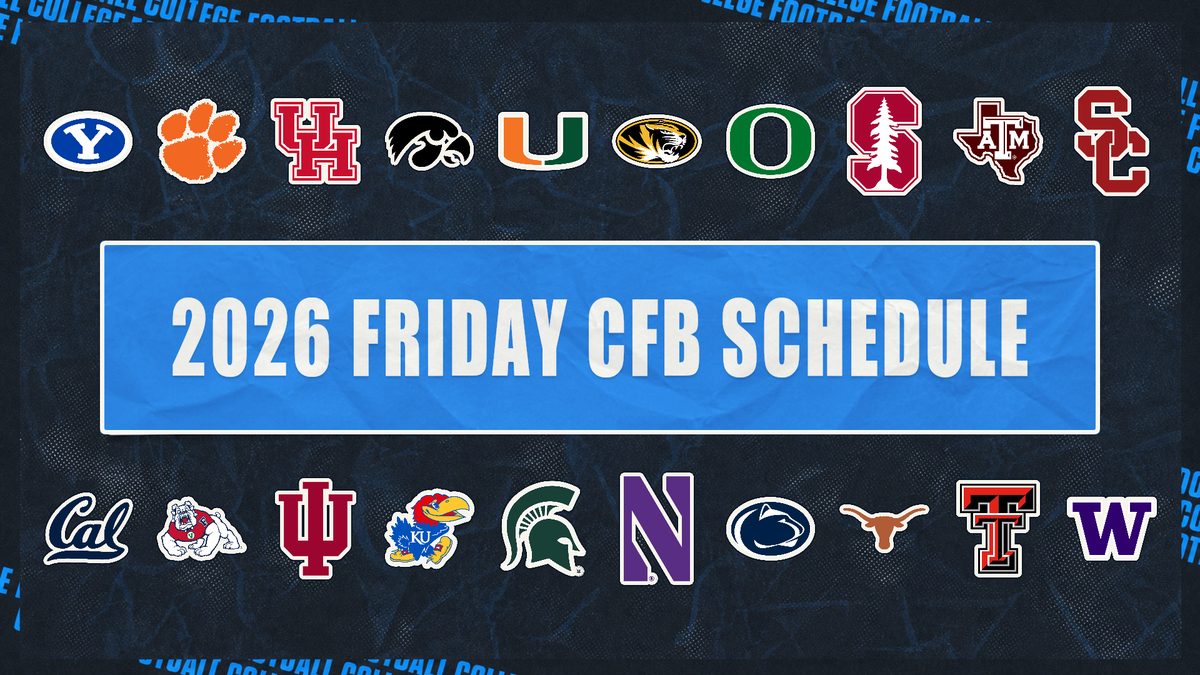
The 2026 college football season is set to redefine the traditional weekend viewing experience by placing a greater emphasis on Friday night matchups. This strategic scheduling aims to capture a broader audience, offering a compelling alternative to weekday professional sports and providing a robust appetizer to the main Saturday slate. The expanded presence of college football on Friday nights signifies a growing trend in sports broadcasting, seeking to maximize viewership and engagement throughout the week.
Key Details
- Extensive Friday Slate: The 2026 season features a significant number of games scheduled for Friday nights, spanning from early September through the end of November.
- Network Coverage: Games will be broadcast across a variety of major networks, including FOX, FS1, ESPN, ESPN2, SEC Network+, CBS, CBS Sports Network, NBC, Peacock, The CW, and others. Specific network assignments are subject to change.
- Notable Matchups: Early season highlights include Toledo at Michigan State and Fresno State at USC on Week 1. Later in the season, fans can anticipate conference battles and potential rivalry games, culminating in a full Black Friday schedule.
- Black Friday Focus: The Nov. 27 schedule is particularly robust, featuring prominent games such as Mississippi State at Ole Miss, Nebraska at Iowa, Florida at Florida State, Texas at Texas A&M, and Minnesota at Wisconsin.
- Time Zones: All listed kickoff times are in Eastern Time (ET).
Background
The decision to expand Friday night college football games is a calculated move by athletic conferences and broadcast partners. Historically, Friday nights have been utilized for high school football or select college games, often in smaller markets or as a prelude to Saturday action. However, in recent years, networks have recognized the untapped potential of this slot. By scheduling more prominent matchups, they aim to establish a consistent, high-quality viewing option that can build momentum for the weekend. This strategy also allows for greater flexibility in scheduling, potentially avoiding direct competition with other major sporting events on Saturdays.
Impact Analysis
The increased frequency of Friday night games has several implications. For players and coaches, it means a compressed weekly schedule, potentially impacting recovery time and preparation. Teams playing on Friday will have an earlier start to their week and a longer turnaround before their next game, which could be an advantage or disadvantage depending on travel and other factors. For fans, it offers more opportunities to watch live college football throughout the week. However, it also necessitates a more complex viewing strategy, requiring fans to track games across multiple networks and streaming services. The proliferation of games on various platforms, including ESPN+ and SEC Network+, highlights the growing importance of digital streaming in sports consumption.
“The expansion of Friday night games is a testament to the enduring popularity of college football and the evolving landscape of sports media. It presents exciting opportunities for engagement but also requires careful consideration of the student-athlete experience.”
Broader Context
This scheduling shift aligns with broader trends in the sports media industry, where networks are constantly seeking new ways to monetize content and attract viewers. The rise of streaming services and the fragmentation of the audience have made it crucial for broadcasters to offer diverse viewing options. By securing exclusive rights to Friday night games, networks like FOX and ESPN can differentiate their offerings and create tentpole events. Furthermore, the move could influence how other sports leagues approach their scheduling, potentially leading to more mid-week marquee matchups across different disciplines.
Future Outlook
Looking ahead, it is likely that Friday night college football will continue to be a significant part of the season. As broadcast rights deals are renegotiated, expect further innovation in scheduling and content delivery. The success of this expanded slate in 2026 could pave the way for even more Friday night games in future seasons. The challenge will be to maintain a balance between maximizing viewership and ensuring the integrity of the game and the well-being of the athletes. The integration of more games onto streaming-exclusive platforms also signals a potential future where traditional linear television plays a less dominant role.
Conclusion
The 2026 college football Friday schedule represents a significant evolution in how the sport is presented to its audience. With a packed lineup of games spread across numerous networks and streaming services, fans have more opportunities than ever to engage with their favorite teams during the week. While this expansion offers considerable benefits in terms of viewership and media strategy, it also brings challenges related to player welfare and fan accessibility. The strategic importance of Friday nights in the college football calendar is undeniable, setting the stage for a dynamic and engaging season.
Source: foxsports.com